

Aluminum Louver
Professional Aluminum Louver Manufacturers and Suppliers in China
YY WINDOWS As a professional aluminum alloy door and window manufacturer, we have been committed to providing customers with high-quality products and excellent services. We specialize in producing all kinds of aluminum louver windows products, mainly non-thermal break commercial aluminium louvres, thermal break outdoor aluminium louvers, non-thermal break fixed glass louvre windows, thermal break aluminium glass louvre windows, etc. Our doors and windows are beautifully designed and come in a variety of styles. No matter what kind of doors and windows you need, we have the right options to make your home safer, more comfortable, and more beautiful.
Definition of Aluminum Louver
Aluminum louvers are architectural marvels that combine functionality and aesthetics, making them a popular choice for various applications. These versatile structures are designed to provide ventilation, protect buildings from the elements, and enhance the visual appeal of structures.
-
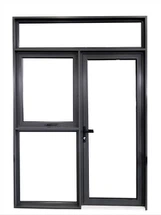
 Thermal Break Outdoor Aluminium LouversThermal Break Outdoor Aluminium Louvers are architectural marvels that combine functionality and aesthetics, making them a popular choice for various applications.Add to Inquiry
 -
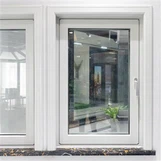
 Thermal Break aluminium glass louvre windowsIn coastal areas or hot and humid areas, aluminium glass louvre windows are widely used in various residential and commercial construction projects due to their excellent ventilation capacity andAdd to Inquiry
 -
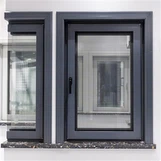
 Classic Series - Non-thermal Break fixed glass louvre win...Non-thermal Break fixed glass louvre windows are a window system composed of multiple pieces of glass with adjustable angles, which can achieve good ventilation and lighting effects. It has a simpleAdd to Inquiry
 -
 Thermal Break outdoor aluminium louversThermal Break outdoor aluminium louvers are a building facade solution that combines sunshade, ventilation and heat insulation performance. The system uses high-strength aluminum alloy profiles withAdd to Inquiry
 -
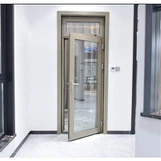
 Classic Series - Non-thermal Break commercial aluminium l...Commercial aluminium louvres are both beautiful and practical. They add a modern feel to the building facade while effectively improving the shading and ventilation performance. The panels can beAdd to Inquiry

- Tel: +61 481 978 888
- Mob: (+86)18916167018
- Tel: (+86)2168221481
- whatapp: +86 18916167028
- Email: yy@yywindowssupplier.com
- Add: No.9300, Hunan Highway, Pudong New Area, Shanghai 201314 China.
The types of Aluminum Louvers
aluminium louvers are classified into several types according to different design and functional requirements. Each type has unique application scenarios in terms of light control, ventilation, privacy protection, and decorative effects.
Fixed Aluminium Louvers
Fixed aluminium louvers have blades mounted at a fixed angle, usually between 45 or 30 degrees. This design makes it impossible to adjust the blades, and the fixed blade angle effectively blocks direct sunlight from rising indoor temperatures while keeping natural light in. Fixed blinds are often used on facades or in areas exposed to harsh weather conditions, and the corrosion resistance of aluminium ensures long term outdoor use.
Adjustable Aluminium Louvers
Adjustable louvres have blades that are adjusted in angle by means of a manual lever, a motorised system or a remote control, allowing flexibility in adjusting the amount of light and ventilation according to requirements. This type of louvre is suitable for places that require versatility and flexible control.
Vertical Aluminium Louvers
Vertical aluminium louvers have vertically aligned blades and are typically used for large glass doors, floor-to-ceiling windows or wide wall openings. The blades slide along a horizontal track for flexible shading and ventilation. In large glass doors or open spaces, vertical blinds can act as partitions to provide privacy and functional zoning.
Horizontal Aluminium Louvers
Horizontal aluminium louvers are the most common type. The blades are arranged horizontally and can be adjusted by rotating an adjusting lever or by a motorised system. By adjusting the angle of the blades, the user has the flexibility to control the amount of incoming light and air to meet a variety of needs. Horizontal blinds take up less space than other shading devices, making them suitable for narrow windows or interior partitions.
External Sunshade Louvers
External Sunshade Aluminium Louvers, usually installed on the facade of a building, are systems of fixed or self-adjusting aluminium alloy blades used to control direct sunlight and reduce the amount of heat entering the building. Exterior solar shading louvers can provide an effective shading solution for commercial buildings and residential building facades that require a high degree of shading.
Where Are Aluminum Louvers Required?
Aluminum Louvers find applications in various architectural settings, from residential homes and commercial buildings to industrial facilities. Their adaptability makes them suitable for diverse environments, contributing to both form and function in architectural design.


Living Rooms
Louvers in living room windows provide a balance between natural light and privacy. Adjustable louvers allow residents to control the amount of sunlight entering the room, creating a comfortable and inviting atmosphere. Further, louvers in doors or windows can enhance the overall design aesthetic of the living space.
Bedrooms
Louvers in bedroom windows offer privacy during nighttime while allowing for ventilation. They can contribute to a serene and restful atmosphere by diffusing natural light and reducing glare.
Bathrooms
Louvers in bathroom windows or ventilation systems help manage humidity and prevent the build-up of moisture. They help maintain privacy while allowing fresh air to circulate, promoting a healthier bathroom environment. Moisture-resistant materials are often used in bathroom louvers to withstand the humid conditions.
Kitchens
Louvers in kitchen windows aid in removing cooking odours and excess heat. Ventilation louvers contribute to a comfortable kitchen environment by promoting airflow. They can also partially conceal service areas or herb gardens.
Home Offices
Louvers in home office windows provide a comfortable work environment by controlling glare and managing natural light. Louvers contribute to a well-ventilated space, enhancing the overall productivity of the home office.
Louvers in Facades
Louvers in facades are architectural marvels, seamlessly merging form and function. These slatted elements, whether vertical or horizontal, enhance natural ventilation, control solar heat gain, or just create striking visual interest. Beyond their utilitarian role, louvers in facades embody the synergy of design and efficiency, contributing to the aesthetic and functional excellence of modern buildings.
Why Choose Us
Professional team
We have highly skilled technical engineers, professional product designers and high-quality production team, it provides a strong guarantee for the production of high-quality doors and windows. The doors and windows are novel in structure and rich in variety.
Quality Control
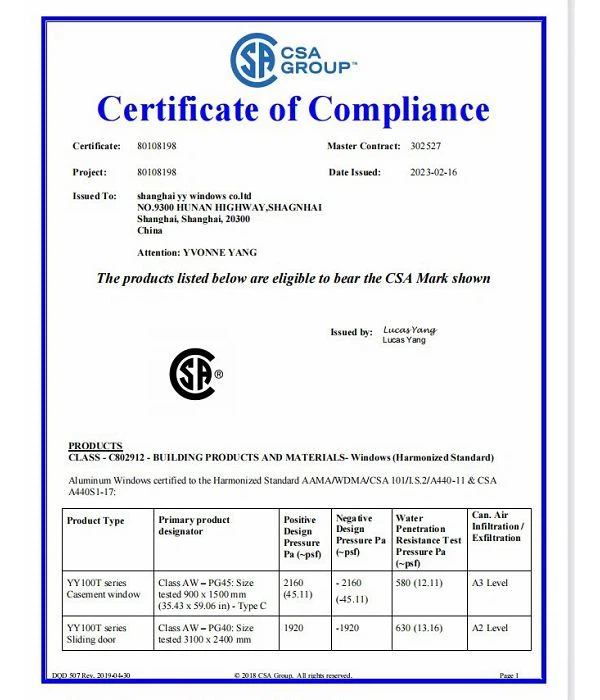
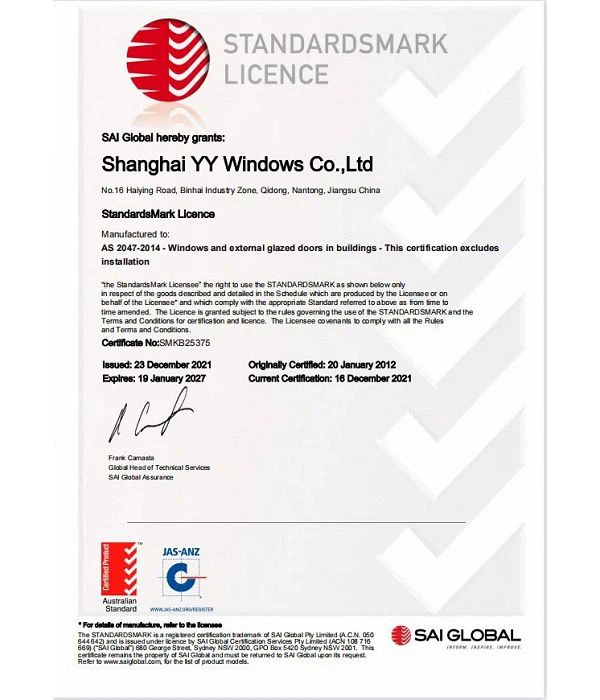
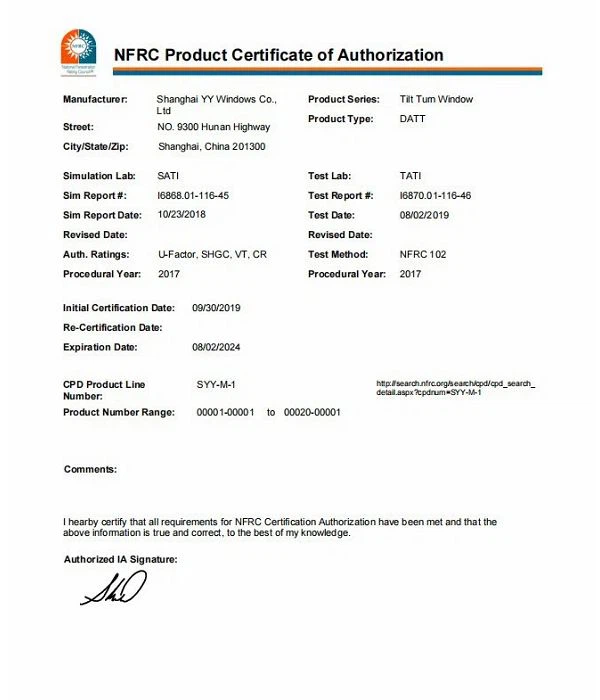
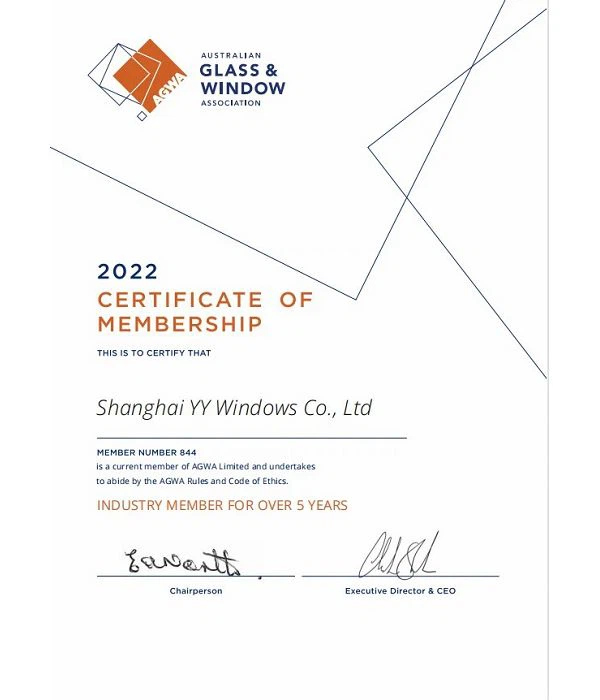
YY doors and windows have passed strict international standard certification to meet local regulations and customer needs, with special emphasis on weather resistance, sound insulation and energy-saving and environmental protection performance of doors and windows.
Large scale
We have more than 50,000 square meters workshop, with a fully automatic cnc production line, and are committed to providing customers with the best products and services.
Production Market
YY's market is mainly for developed countries such as the United States, Australia, Canada and New Zealand, providing high-quality doors and windows products.
Aluminum Louver Installation Process
The installation of aluminium louvers typically involves the following steps:
Site Preparation
Ensure the mounting surface is clean, dry, and level
Verify all measurements and structural supports

Framework Installation
Install the supporting framework according to design specifications
Ensure proper alignment and leveling
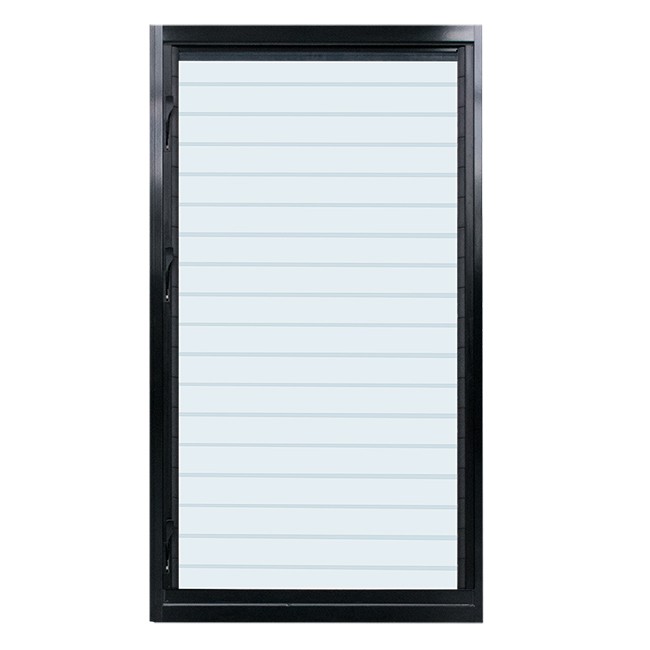
Louver Blade Installation
Attach individual blades or pre-assembled louver panels to the framework
Ensure consistent spacing and angle
Sealing And Weatherproofing
Apply appropriate sealants to prevent water infiltration
Install flashing if required.
Mechanical System Integration
For operable louvers, install and test motor systems and controls
Final Adjustments And Testing
Verify proper operation and make any necessary adjustments
Conduct water and air infiltration tests if required
Aluminum Louver Hardness Test
Hardness is the resistance of a material to penetration. This material property is measured by pressing an indentor into the material with a known force. The indenter plastically deforms the material forming a permanent indentation. The size and depth of this impression is an inverse indication of the hardness.
Relatively large indentations form in soft materials, whereas smaller indentations are made in harder materials. Thus, hardness is related to the ability to resist plastic deformation. Similarly, relatively large indentations form in low strength materials, whereas smaller indentations form in higher strength materials. From this description, it is apparent that hardness is related to strength.
The most common type of hardness test is the Rockwell test. The Rockwell test encompasses a set of tests for different hardness ranges. The Rockwell B (HRB) scale is used for aluminum and structural steels (softer materials) while the Rockwell C (HRC) scale is used for high carbon alloy steels (harder metals). These tests use different types of indenters and applied loads.
Aluminum Louver Manufacturer's Quality Assurance
Manufacturer Qualifications
The manufacturer shall have implemented the management of quality objectives, continual improvement, and monitoring of customer satisfaction to assure that customer needs and expectations are met.
Production Qualifications
Louvers shall be licensed to bear AMCA Certified Ratings Seal. Ratings based on tests and procedures performed in accordance with AMCA 511 and comply with AMCA Certified Ratings Program. AMCA Certified Ratings Seal applies to air performance and water penetration ratings.

Certificate

FAQ
As one of the leading aluminum louver manufacturers and suppliers in China, we warmly welcome you to buy high-grade aluminum louver made in China here from our factory. All customized products are with high quality and competitive price.
exterior aluminium louvres, aluminium glass louvers, extruded louvers