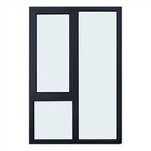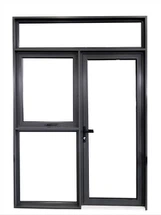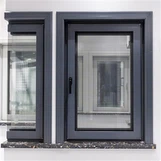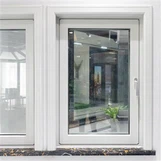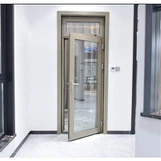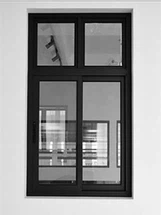

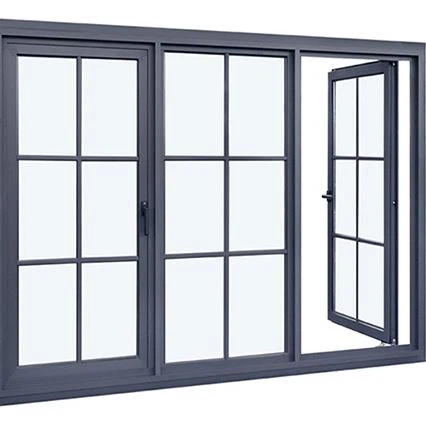


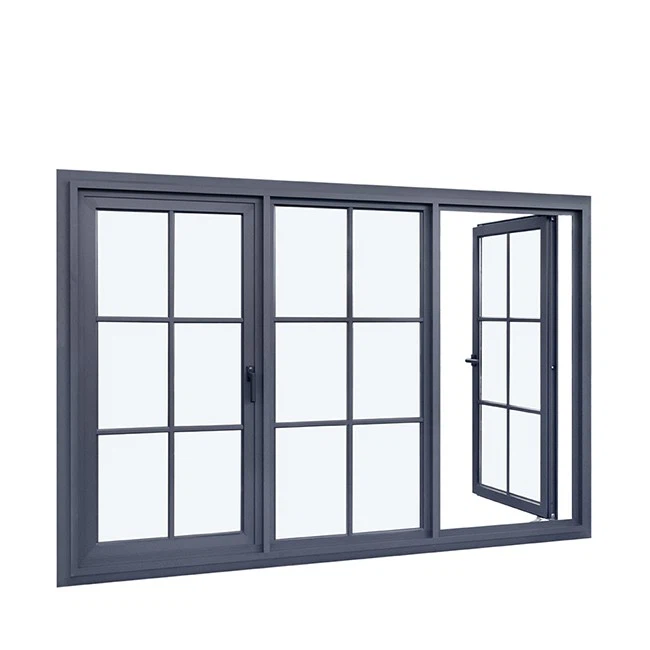


What Are casement impact windows?
Hurricane impact casement windows are outward-opening window systems designed for coastal and hurricane-prone regions. They are built with reinforced aluminum frames and laminated impact glass to withstand strong winds and flying debris during extreme weather conditions.
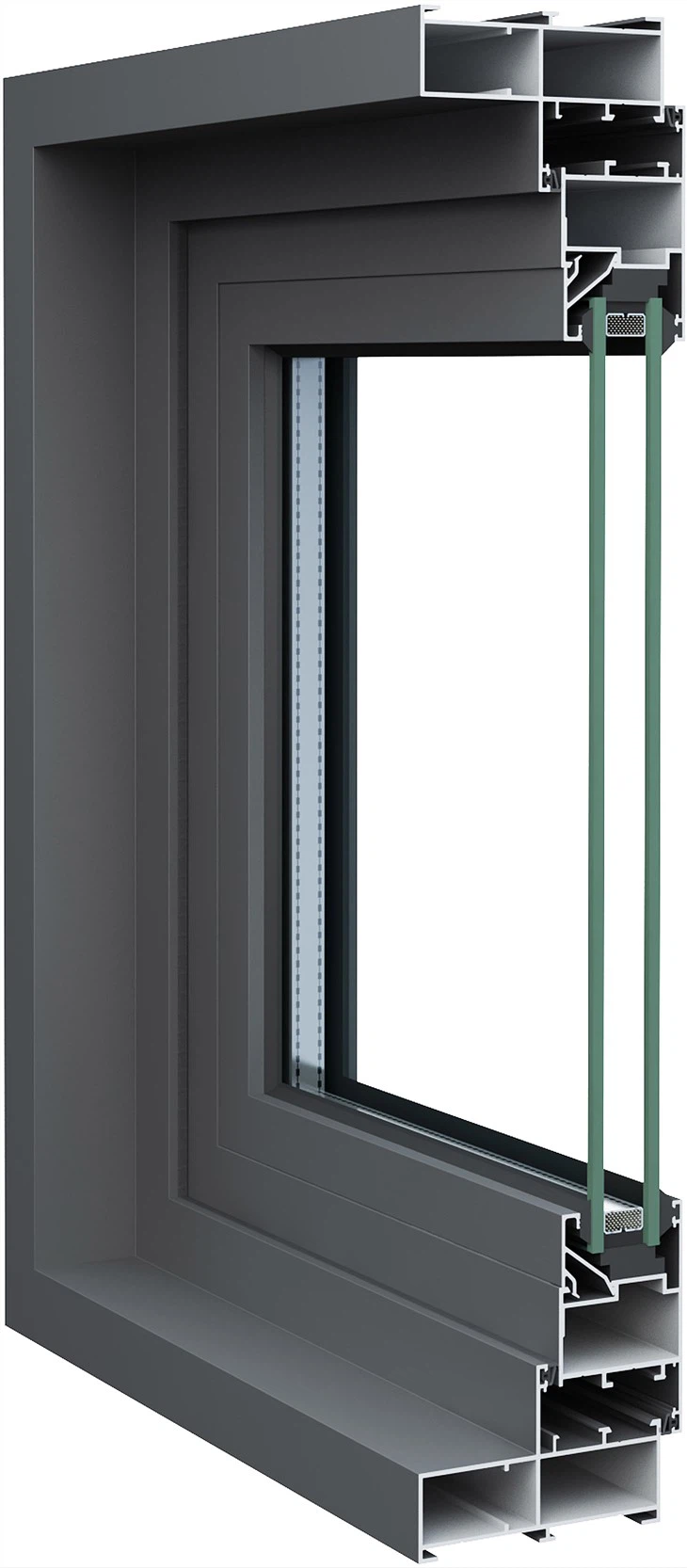
Our systems are engineered with thermal break profiles and multi-point sealing structures, improving air tightness, water resistance, and overall structural stability. With large opening capabilities, they are suitable for villas, residential buildings, and multi-unit projects where both ventilation and weather protection are required. Designed as part of a complete impact-resistant window system, the overall performance depends on the integration of frame, glass, and sealing components.
Key Advantages of Hurricane Casement Windows
High Wind Load Resistance
Engineered with reinforced frames and multi-point locking systems, these casement windows provide strong resistance to wind pressure.
Capable of meeting project-specific design pressure requirements, typically up to 3000–5000 Pa depending on configuration.
Laminated Impact Glass Protection
Made with laminated safety glass and a PVB interlayer, this glass helps prevent breakage and detachment upon impact.
Tested to meet ASTM impact standards, effectively resisting flying shards.
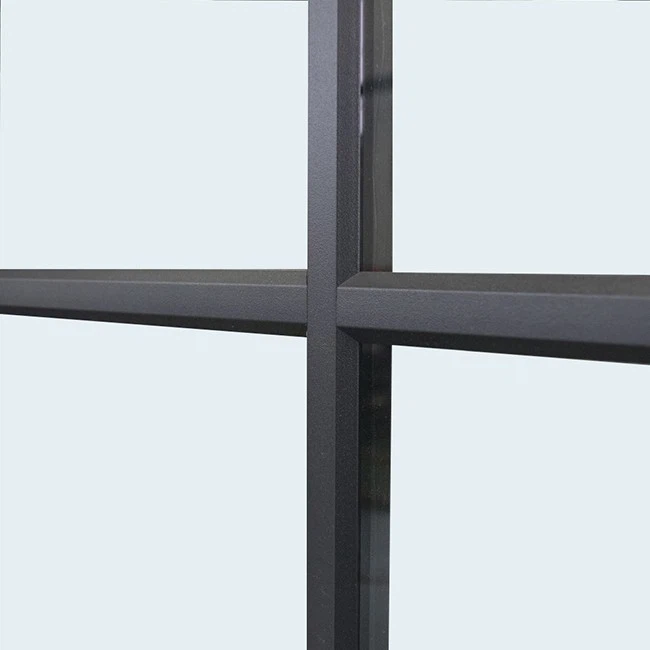
Reinforced Aluminum Frame System
Made of high-quality aluminum alloy (6063-T5/T6), with a reinforced internal structure.
The frame is approximately 2 mm thick, ensuring long-term structural stability in coastal environments.
Superior Air & Water Tightness
Compression sealing combined with multi-point locking enhances air tightness and water resistance.
Helps maintain performance under heavy rain and strong wind conditions.
Energy Efficiency & Thermal Performance
Supports double glazing with optional Low-E coating and argon gas filling for enhanced thermal performance.
U-value can be optimized based on configuration, helping reduce heat transfer and improve overall energy efficiency in residential and commercial projects.
Customization for Project Requirements
Available in custom sizes, finishes, and glazing configurations.
Suitable for villas, residential buildings, and multi-unit projects requiring tailored façade solutions.
Technical Specifications of Hurricane Impact Casement Windows
Designed to meet project-specific requirements for wind load, impact resistance, air tightness, and energy efficiency in coastal and hurricane-prone environments.
Essential details
| Basic product information | Product performance | ||
| Product serial number | 100 series,150 series | Insulation performance W/(nf k): | ≥ 3.9 |
| Profile wall thickness: | 2mm | Sound insulation performance (dB): | ≤ 40 |
| Powder coating: | AkzoNobel | Airtight performance: | high |
| Hardware: | Chinese Top Brand ,Australian Brand ,German Brand | Watertight performance (Pa): | 12psf |
| Rubber strip: | EPDM | Wind pressure resistance (kpa): | 80psf |
| Glass range: | ≤ 28mm | ||
| Width max: | 1000mm | ||
| Height max: | 2400mm | ||
Specifications may vary depending on window size, glazing configuration, and project requirements. Contact our team for detailed technical support.
Structural & Hardware System
A fully integrated structural system for hinged storm windows designed to ensure strength, sealing performance, operational stability, and long-term durability under coastal and high-wind conditions. Each component works together to support structural integrity and consistent field performance across different project applications.
-
Frame & Sash Structural System
- Supports operable window sashes measuring 2.4m x 1m and maintains rigidity under wind loads.
- The 6063-T5/T6 frame depth achieves a balanced structure in terms of strength, insulation, and installation flexibility.
- The glass fiber composite window sash, manufactured using a five-layer pultrusion process, ensures a high strength-to-weight ratio and long-term dimensional stability.
-

Sealing & Air Tightness System
A continuous dual-durometer thermoplastic vulcanizate (TPV) sealing system in casement impact windows compresses evenly on all four sides between the frame and sash. This ensures consistent air tightness, water resistance, and energy performance under dynamic pressure conditions.
-
Hardware Operating System
- Engineered for stable and controlled operation under repeated use.
- High-pressure cast zinc components provide structural strength and corrosion resistance.
- A parallel leaf spring assembly ensures smooth motion, while a 17° lever shaft layback improves clearance and usability.
- Standardized 85mm pitch ensures installation consistency across project applications.
-
Concealed Hinge System
- Designed for seamless architectural integration with no exposed hardware, maintaining a clean façade appearance.
- The system operates quietly and smoothly while improving safety by reducing pinch points.
- Non-progressive movement ensures stable performance throughout the full opening cycle.
-

Corner Reinforcement System
- Utilizes a pin injection molding process combined with adhesive injection technology to reinforce corner joints.
- High-strength structural adhesive is introduced between corner keys and frame members, creating a high-integrity structural node.
- This significantly improves frame rigidity, sealing performance, and long-term structural durability.
Overall, this integrated structural and hardware system for miami dade approved impact windows is engineered to ensure consistent performance across strength, sealing, and operational reliability in demanding coastal and high-wind environments. It provides a stable foundation for residential and light commercial applications where long-term durability and system consistency are required.
Performance Validation & Testing
The hurricane proof windows and doors system is evaluated through standardized performance testing to ensure structural reliability, environmental resistance, and long-term operational stability in coastal and high-wind applications.
Testing is conducted at system level, covering frame, sash, glazing, sealing, and hardware integration to verify real-world performance consistency under simulated load conditions.
Wind Load Performance Testing
The system is tested under positive and negative wind pressure conditions to evaluate structural stability of the frame and sash assembly.
Performance validation focuses on maintaining alignment, resistance to deformation, and overall system integrity under high wind exposure typical of coastal and hurricane-prone regions.
01
Water Penetration & Air Infiltration Testing
The assembled hurricane resistant windows system is evaluated under dynamic pressure conditions to simulate wind-driven rain scenarios.
Testing verifies the effectiveness of the multi-layer sealing system in reducing air leakage and preventing water penetration across all perimeter interfaces.
02
Structural Load & Deflection Testing
Frame and sash assemblies are subjected to controlled load conditions to assess structural deflection limits and long-term mechanical stability.
This ensures the system maintains performance consistency under repeated stress and varying environmental conditions.
03
Operational Cycle Testing
Hardware components and operating mechanisms are tested through repeated opening and closing cycles to evaluate durability, smooth operation, and mechanical fatigue resistance.
The system is validated for stable performance under long-term usage conditions in residential and light commercial applications.
04
System-Level Performance Verification
Beyond individual test categories, the full window assembly is evaluated as an integrated system to ensure that structural, sealing, glazing, and hardware components perform consistently under combined load conditions.
This system-level validation ensures that real-world performance aligns with design intent across diverse installation environments.
05
Fire Resistance Test
Strike Resistance Test
Impact Test
Water Pressure Test
Certifications & Compliance
The impact casement windows system is designed to align with key North American and coastal building compliance frameworks, supporting project approval requirements across residential and light commercial construction applications. These certifications and approvals validate the system's suitability for high-wind, coastal, and energy-efficient building environments.
FBC & NOA Compliance (Florida & Coastal High-Wind Regions)
The system is aligned with Florida Building Code (FBC) requirements and Miami-Dade Notice of Acceptance (NOA) standards, supporting use in hurricane-prone coastal regions.
These compliance pathways are commonly required for projects in high-wind zones, where structural integrity, impact resistance, and envelope performance are strictly regulated.
01
NFRC Energy Performance Certification
NFRC-rated performance supports energy efficiency evaluation of the window system, including thermal transmittance, solar heat gain control, and overall energy performance contribution to the building envelope.
This ensures compatibility with energy code-driven construction requirements in North American residential and commercial projects.
02
CSA Certification (Canadian Market Compliance)
CSA certification supports compliance with Canadian building and safety standards for fenestration products used in residential and multi-unit construction.
It confirms the system's suitability for cold climate performance conditions, including thermal stability and long-term material durability.
03
Project Approval Readiness
These certifications collectively support specification-driven approval processes required by architects, engineers, and developers.
They enable smoother integration into project documentation, tender submissions, and regulatory compliance workflows across different regional markets.
04

Florida Building Code Test

NOA

NFRC

CSA
Application Scenarios
Casement impact windows are designed for building envelope applications that require reliable performance under high wind exposure, coastal environmental conditions, and long-term structural stability.
The system is suitable for architectural and construction projects where compliance, durability, and consistent façade performance are key design requirements, as typically provided by hurricane window companies.
Coastal Residential Villas
Applied in coastal single-family homes and villa projects where building envelopes are exposed to hurricane-level wind loads, salt-air corrosion, and long-term weathering conditions.
The system for commercial impact windows also supports residential designs that require enhanced structural reliability, air tightness, and long-term material stability.
01
High-Rise Residential Buildings
Suitable for high-rise and mid-rise residential developments where façade systems must maintain consistent performance under varying wind pressure conditions across different building elevations.
The system supports specification-driven residential projects requiring stable window performance within engineered façade systems.
02
Hotels & Resort Developments
Commonly used in hospitality and resort buildings where façade systems must balance durability, occupant comfort, and architectural aesthetics.
The concealed hardware system and stable sealing performance support long-term operation in high-usage environments exposed to coastal climates.
03
Multi-Family Housing Projects
Applicable in condominium and apartment developments requiring standardized fenestration systems that comply with regional building codes while supporting efficient large-scale installation.
The system ensures consistent performance across multiple units within project-based construction workflows.
04
Light Commercial Buildings
Suitable for low- to mid-rise commercial buildings where exterior envelope performance directly impacts energy efficiency, indoor comfort, and long-term maintenance requirements.
The system provides a balanced solution combining structural strength, sealing performance, and operational stability.
05
Field Project Applications
Real-world installations demonstrating wind resistance, waterproofing, and thermal performance under coastal and high-rise conditions.

Coastal Residential Villa
Applied in coastal villa projects using impact windows for coastal areas, requiring reliable protection against wind pressure, rain exposure, and long-term environmental impact.

Luxury Residential Estate
Installed in high-end residential estates with strict requirements for architectural consistency, thermal performance, and façade detailing.

Commercial & Hospitality Project
Used in hotels and commercial projects where energy efficiency, durability, and consistent façade appearance are critical.
We provide customized aluminum window and door systems for villas, luxury estates, and commercial buildings with project-specific engineering support from impact window companies.
System Configuration Options
Our window and door systems, as an impact windows manufacturer, offer flexible configuration options to meet architectural design, energy performance, and project-specific requirements.

Frame Finish Options
A wide range of powder-coated and anodized finishes to match architectural design and façade aesthetics.

Glass Configuration
Multiple glazing options including laminated, tempered, Low-E, and insulated glass units to meet energy and safety requirements.

Performance Configuration
Adjustable configurations for thermal insulation, wind load resistance, and acoustic performance based on project requirements and design pressure.
Our engineering team can help you configure the optimal system based on your architectural drawings and performance requirements.
Project Technical Review Available
If you are currently working on a coastal, high-wind, or specification-driven project, our team, as a wholesale impact windows supplier, can assist with preliminary technical review based on your architectural drawings or window schedules. This includes system suitability assessment, configuration guidance, and performance alignment suggestions for your project requirements.
For Engineering & Project Coordination
We support general contractors, developers, and architects during early-stage design and submittal preparation to help ensure the window system is properly aligned with project code and performance expectations.
Share Your Project Information
You may send us your drawings, specifications, or project requirements.
We will review and provide feedback based on system configuration and applicable performance standards.
FAQ
Q: What are the main functions of hurricane resistant windows?
A: Hinged storm windows are designed to resist high wind loads, wind-driven rain, and impact conditions in coastal and hurricane-prone regions as part of the building envelope system, helping maintain structural integrity and interior protection during extreme weather events.
Q: What materials are used in hurricane impact windows?
A: The system typically consists of laminated impact-resistant glass or tempered glass, combined with aluminum alloy or composite frames and multi-layer weather sealing systems designed for durability in coastal environments.
Q: How do I ensure the system meets local building code requirements?
A: Compliance is achieved through project-specific testing and certification pathways such as FBC (Florida Building Code), Miami-Dade NOA, NFRC, and CSA standards. Final approval depends on project location, design pressure requirements, and local authority review.
Q: What should be considered during installation?
A: Installation must follow approved shop drawings and project specifications to ensure proper anchoring, sealing continuity, and structural alignment. Correct installation is critical to achieving the designed wind load and performance ratings.
Q: How should casement impact windows be maintained?
A: Routine inspection of seals, hardware, and moving components is recommended. Cleaning should be done with non-corrosive materials to maintain glass clarity and system durability, especially in coastal environments.
Q: What is the typical production and delivery time?
A: Standard production time is 15–20 working days depending on order quantity and project specifications. Sample production usually takes 3–5 working days.
Q: How is pricing determined for this system?
A: Pricing is project-based and depends on dimensions, glass configuration, hardware selection, and performance requirements. A detailed quotation is provided after reviewing project drawings or window schedules.
Q: What is the difference between insulated glass and Low-E argon glass?
A: Insulated glass consists of multiple panes separated by a sealed air space for thermal insulation.
Low-E argon glass adds a low-emissivity coating and argon gas fill between panes, improving energy efficiency by reducing heat transfer in both hot and cold climates.
Hot Tags: Casement Impact Windows, China Casement Impact Windows manufacturers, suppliers, factory