


Aluminum Sliding Doors
Aluminum Sliding Doors Manufacturers Factory Suppliers
We specialize in producing all kinds of aluminum sliding doors products, mainly non-thermal break lift sliding glass door, thermal break lift and glide sliding doors, non-thermal break aluminium internal sliding doors, thermal break large aluminum sliding glass doors, etc.
Our doors and windows are beautifully designed and come in a variety of styles. No matter what kind of doors and windows you need, we have the right options to make your home safer, more comfortable, and more beautiful.
Company Advantages
Well-Experienced
We have more than 20 years of manufacturing experience and can provide customers with perfect solutions.
Large Scale
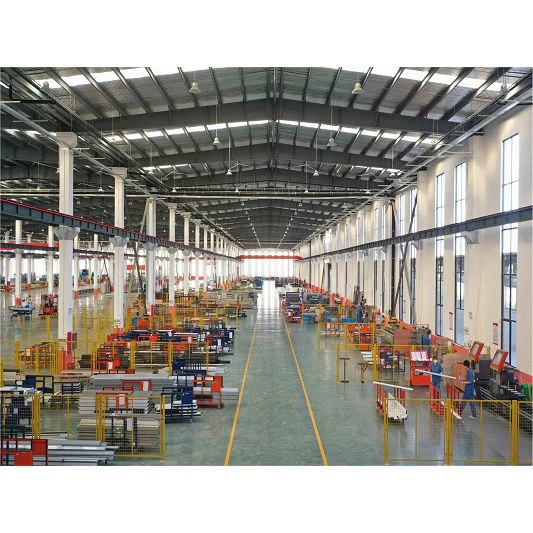
We have more than 50,000 square meters workshop, with a fully automatic CNC production line, and are committed to providing customers with the best products and services.
Professional Team
We have hundreds of professional and technical personnel, and we can provide you with professional services. Professional engineers also can provide expertise consultations and professional advice on product selection, design, installation, and maintenance.
Multiple Certifications
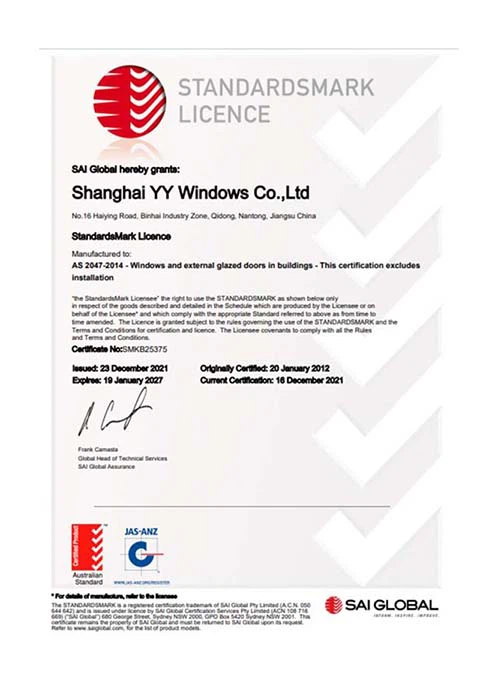
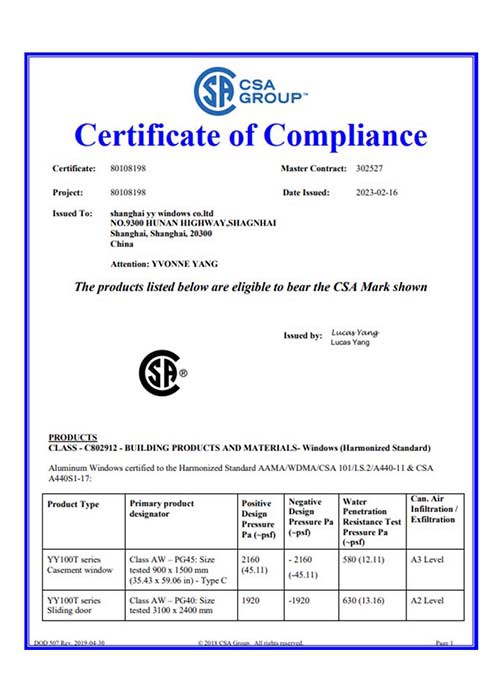
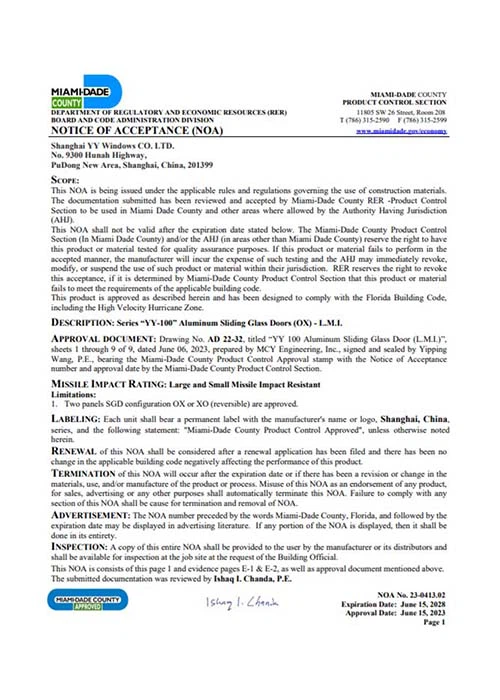
We have multiple certificates such as NFRC, CSA, NOA, AS2047, AGWA, etc, ensuring the quality of our products.
Competitive Price
We provide competitive price and excellent customer service for all our customers. We also can offer different discounts based on your order quantity.
A Global Supply Chain
We are present globally, backed by local customer service, and a strong sales representatives network. Our logistic hubs with large storage capacities located close to our customer facilities (Europe, Americas, Asia Pacific) ensure short time deliveries.
-
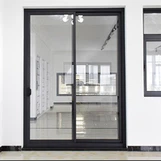
 Thermal Break large aluminum sliding glass doorsYY's large aluminum sliding glass doors are compact and take up little space, saving both indoor and outdoor space while ensuring safety and preventing panel collisions. Equipped with high-endAdd to Inquiry
 -
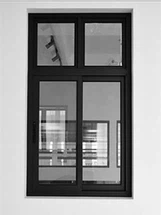
 Classic Series - Non-thermal Break aluminium internal sli...YY aluminium internal sliding doors offer superior performance, design and versatility. Featuring the largest panels, highest sound insulation rating and double glazing (IGU) compatibility. YYAdd to Inquiry
 -
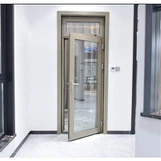
 Thermal Break aluminum lift and slide doorsThe YY aluminum lift and slide doors is a high-end aluminum alloy door system that combines practicality and aesthetics. Its leaf dimensions are customizable, allowing it to lock securely like aAdd to Inquiry
 -
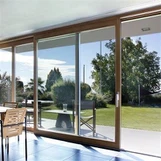
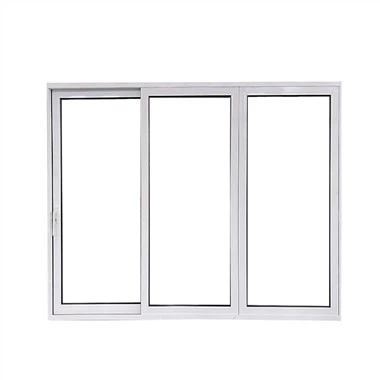 Classic Series - Non-thermal Break lift sliding glass doorYY lift sliding glass doors slide open and lock in the open position, letting fresh air into your home without compromising safety. Not only are they easy to operate, they are also quick and easy toAdd to Inquiry

- Tel: +61 481 978 888
- Mob: (+86)18916167018
- Tel: (+86)2168221481
- whatapp: +86 18916167028
- Email: yy@yywindowssupplier.com
- Add: No.9300, Hunan Highway, Pudong New Area, Shanghai 201314 China.
Introduction to Aluminum Sliding Doors
Aluminum sliding doors are made up of an aluminum frame, glass panels, and hardware components. The glass panels are usually made of tempered or double-glazed glass. The doors have two parts: one that is fixed and one that slides open.
Aluminum sliding doors are a versatile, durable, and low-maintenance choice for residential and commercial projects alike. They offer numerous advantages, including energy efficiency, space-saving, design flexibility, and easy access to outdoor areas.

Thermal Break Large Aluminum Sliding Glass Doors
-
Excellent energy saving: Thermal break technology significantly reduces indoor and outdoor heat exchange, helping to save energy and reduce operating costs.
- Reduce condensation: The thermal insulation design prevents condensation on the glass surface, reducing mold growth and water stains.
- Self-cleaning function: Some glass surfaces use self-cleaning coatings to keep doors and windows clean and reduce maintenance frequency.
- Enhanced isolation: Aluminum alloy frame combined with thermal insulation layer provides better wind and rain protection.
- High light transmittance: High-quality glass material ensures high light transmittance, allowing more natural light to enter the room and improve the lighting effect.

Non-Thermal Break Aluminium Internal Sliding Doors
-
Simple style: The design is modern and suitable for various interior decoration styles, adding a sense of fashion.
- No need for too much space: The sliding door does not take up additional space when opened, suitable for small areas.
- Efficient space utilization: Suitable for multi-functional rooms that need to be frequently divided and merged, improving space utilization.
- Dustproof function: The surface of the aluminum alloy material is smooth, easy to prevent dust and dirt, and reduce the frequency of cleaning.
- Anti-oxidation performance: Aluminum alloy has good anti-oxidation ability, which prolongs the service life of the door.
- Rich accessories: can be equipped with a variety of door handles and locks to meet the needs and safety requirements of different users.
- Economical and practical: Compared with thermal insulation doors, non-thermal insulation aluminum alloy doors have lower costs and higher cost performance.

Thermal Break Lift And Glide Sliding Doors
-
Smooth operation: The lift-and-slide mechanism lifts the door up when opening, which allows smooth operation and reduces wear.
- Space saving: The sliding design does not take up additional space and is suitable for small or flexible layout indoor environments.
- High traffic capacity: The lift-and-slide mechanism allows larger openings for easy passage of large items or vehicles.
- Beautiful and modern: The simple design and large area of glass enhance the appearance of the building and increase natural light.
- Sound insulation: Double or triple glazing provides good sound insulation and creates a quiet indoor environment.
- Durability: Aluminum alloy frame and high-quality glass ensure long-term use of the door and strong impact resistance.
- High security: Optional tempered glass and multi-point locks can enhance the door's security performance.
- Adaptability: Suitable for residential, commercial and office use, meeting different architectural and design requirements.
- Increased value: Modern design and efficient performance enhance the overall value and appeal of the building.

Non-Thermal Break Lift Sliding Glass Door
-
Flexible opening and closing: the lift-and-slide design allows the door to lift up when opening, reducing ground friction and suitable for frequent use.
- Save space: the sliding mechanism does not take up floor space, suitable for narrow areas and small rooms.
- Improved vision: the large glass panel provides a wide field of view, increasing the sense of light and space in the room.
- Easy operation: the lifting mechanism allows the door to open and close smoothly, and the operation is simple, suitable for a variety of users.
- Strong durability: the aluminum alloy frame is strong and durable, and can withstand long-term use and external impact.
- Dust-proof design: the smooth aluminum alloy and glass surface reduce dust accumulation and are easy to clean and maintain.
- Weatherproof: the good sealing performance resists wind and rain, protecting the indoor environment from weather.

Types of Aluminum Sliding Doors
The Aluminum sliding doors produced by our company include the following types.
Lift Sliding Glass Door
A lift and slide glass door is a type of sliding door that uses a lifting mechanism to make it easier to open and close. The door panels are lifted up onto rollers, which allows them to slide more easily along the tracks.
Lift and slide doors can be used on various sliding door designs, including conventional two panel setups, or four panel setups with moving panels meeting in the middle.
Aluminium Internal Sliding Doors
Aluminium internal sliding doors are made of an aluminum frame, glazing material, and hardware components. They are designed to fit any internal space and come in a variety of sizes, styles, colors, hardware, and glazing patterns.
Aluminium internal sliding doors are a bottom-rolling system. The sill complies with accessibility requirements and is ideal for partitioning in learning environments.
Aluminum Sliding Glass Doors
Aluminum sliding glass doors are a type of door system that consists of two or more panels. The panels are mounted on horizontal tracks, allowing the door(s) to slide open and closed.
Aluminum sliding glass doors are a popular alternative to traditional doors. They are considered more sophisticated and sturdy than frameless glass or wooden doors.
Applications of Aluminum Sliding Doors


Gazebos and Porches
Aluminium sliding doors work great if you want to enclose your porch or gazebo. By adding aluminium sliding doors to your porch or gazebo, you can create an outdoor lounging area and use it for dining and enjoyment without being disturbed by weather elements.
Room Dividers
Installing aluminium sliding doors as room dividers allows you to enjoy your privacy without compromising on the airy and spacious vibe of the space. For example, by putting aluminium sliding doors as dividers in a large family room, you can have a workspace adjacent to your children's play area. Aluminium sliding doors as room dividers will also give you easy accessibility between the two spaces.
Bathroom
Aluminum alloy sliding doors have excellent moisture-proof and waterproof properties. Because the bathroom is usually a place with high humidity in our home, using traditional wood to make doors is prone to decay and deformation. Aluminum alloy sliding doors can solve this problem very well, because its special materials and craftsmanship can fundamentally avoid deformation and decay of the door body, effectively extending its service life.
Balcony Doors
Installing an aluminium sliding door as your balcony door to separate the balcony and your room is the most basic yet effective way of using these doors. These doors allow for an easy transition between the room and the balcony and let you enjoy the beautiful outside view. They also create a wider balcony space that you can spruce up by adding furniture and little planters, converting it into a seating area.
Component of Aluminum Sliding Doors
There are several components to a aluminum sliding doors system that all play important roles in the door's functionality and design. Let's explore the integral parts in detail.
Tracks: The door panels slide on tracks that are usually made of aluminium or stainless steel. Tracks can either be single or double, depending on the number of door panels involved. The quality of the track system impacts the smoothness of the sliding action.
Rollers: Attached to the bottom of the door panels, rollers facilitate the smooth sliding movement of the panels on the track. They usually have ball bearings that aid in reducing friction and providing a smooth glide. The rollers need to be strong enough to support the door panel's weight and should be easily adjustable to maintain proper alignment.
Door panels: The main components of aluminum sliding doors, the door panels, can be made of various materials, including aluminium, wood, or other modern composite materials. They typically feature a frame that supports the glass or other infill materials.
Handles: Aluminum Sliding Doors handles come in a variety of shapes, sizes, and materials. The handle choice should be based on factors such as aesthetics, ease of use, and the overall door design.
Locking system: Ensuring security is an essential aspect of aluminum sliding doors design. Different locking systems are available, such as hook locks, deadbolts, and multi-point locking systems. The choice of a locking system depends on the desired level of security and ease of use.
Aluminum Sliding Doors Operating Mechanism
A sliding door is a type of door that opens horizontally by sliding, typically parallel to a wall. Aluminum Sliding Doors are commonly used in homes, offices, and commercial spaces for their space-saving benefits and modern design. The operating mechanism of a sliding door mainly comprises several components such as rollers and bearings, door track guides, locks and handles, door stops and bumpers, and security features. Understanding these components can help you maintain or troubleshoot issues with your aluminum sliding doorsmore effectively.
Rollers and Bearings
The rollers and bearings are among the most critical components of a sliding door operating mechanism. These enable the door to slide smoothly along the track without any friction, making the door more comfortable and convenient to operate. The rollers are generally made of corrosion-resistant materials, such as stainless steel or nylon, to ensure long-lasting performance.
Bearings, on the other hand, are small devices that consist of rolling elements (ball or roller) and an outer race. They are designed to reduce friction and increase the efficiency of the door movement. The bearings also support the door panel's weight and ensure it remains evenly distributed along the entire length of the track. Maintaining your door's rollers and bearings in good working condition is crucial to ensure smooth and reliable door operation.
Door Track Guides
The door track guides are the components responsible for guiding the movement of the door panel as it slides along the track. These guides are typically made of metal, plastic, or a combination of both, and are designed to keep the door secure and aligned with the track. This prevents the door from jamming or moving out of place when opening and closing.
Door track guides must be kept clean from any dirt or debris that may cause the door to jam or become noisy during operation. It is essential to inspect the guides periodically and lubricate them as necessary to ensure long-lasting performance and smooth door movement.
Locks and Handles
Locks and handles are essential components of a sliding door operating mechanism, providing privacy and security for residential and commercial applications. There are various types of locks used with aluminum sliding doors, including mortise locks, surface-mounted locks, and hook locks.
Handles are used to pull or push the door along the track easily. Handle styles for aluminum sliding doors include flush handles, pull handles, and recessed handles. The choice of lock and handle depends on the door application and your personal preferences. High-quality locks and handles should be durable, secure, and easy to use.

Installation Process of Aluminium Sliding Doors
Below is a general summary of the installation process for aluminium sliding doors, but it is essential to consult the manufacturer's instructions for the specific door type and installation scenario.
Assemble tracks: Following the manufacturer's instructions, assemble the top and bottom tracks by cutting them to the appropriate length and attaching the necessary brackets and hardware.
Install tracks: Secure the top track to the header by screwing it into place, ensuring it is level. Install the bottom track by securing it to the floor or sill, again ensuring it is level and straight.
Install jamb and frame: Attach the jamb to the tracks and ensure it is straight and level. Screw it into place, and install the header and sill if required.
Install door panels: Lift the door panel onto the bottom track and tilt it so that the top rollers engage with the top track. Carefully guide the panel along the tracks until it is correctly seated in place.
Adjust door alignment: Follow the manufacturer's instructions to adjust the rollers for smooth operation and proper door alignment. This step may require loosening or tightening bolts and using shims if necessary.
Install handles and locks: Securely attach the handles and lock mechanisms to the door panels, ensuring they function correctly.
Apply sealant: Apply a high-quality sealant around the frame and any gaps or joints to create a weatherproof and energy-efficient seal.
Maintenance Tips for Aluminum Sliding Doors
Regular maintenance is key to maintaining the performance and longevity of your equipment. Below are some general routine maintenance recommendations.
Clean equipment regularly: Keep the exterior and interior of your equipment clean to prevent dust, dirt, or other contaminants from affecting its performance or causing damage. Use a soft cloth or non-abrasive cleaner when wiping down surfaces, and always follow the manufacturer's guidelines for specific cleaning instructions.
Inspect equipment regularly: Routinely check for loose connections, frayed cords, or any other signs of wear and tear. Address any issues immediately to prevent further damage or hazards.
Perform scheduled maintenance: Follow the manufacturer's recommended maintenance schedule for your equipment. This may include changing filters, lubricating moving parts, cleaning vents and fans, or other tasks specific to the type of equipment.
Monitor performance: Pay close attention to how well your equipment is functioning. If you notice a decline in performance, troubleshoot the issue or consult a professional for help.
Use quality replacement parts: If you need to replace a component, make sure to use original manufacturer parts or reputable aftermarket alternatives. Cheap or low-quality parts can cause further damage to your equipment or decrease its performance.


Precautions of Aluminum Sliding Doors
Here are some precautions for aluminum sliding doors.
Clean the tracks: Keep the tracks free of debris, dust, and other particles that can cause the door to stick.
Inspect and tighten hardware: Loose hardware can make the door inefficient and pose a security risk.
Avoid sharp objects and abrasive cleaners: These can damage the window surfaces, scratch the glass, and remove the exterior glass coating.
- Don't mix cleaners or solvents
- Don't lean on the screens
- Use help for large windows or doors
- Lubricate the track: Spray the track with a non-abrasive cleaner, wipe with a rag, and lubricate with silicone lubricant.
- Clean the glass and frames regularly: Clean the glass about once a month and the aluminum frames every two months.
Certifications
Our products have AS2047, CSA, NFRC, AGWA, etc., certificates.

Our Factory
We have more than 50,000 square meters workshop, with a fully automatic CNC production line, and are committed to providing customers with the best products and services.

Frequently Asked Questions
Q: What factors to consider when buying aluminum sliding doors?
Q: What are the commonly used structural materials for aluminum sliding doors?
Q: What are the commonly used glass types for aluminum sliding glass doors?
Q: What are the frequently asked questions about aluminum sliding doors?
Q: What are the main advantages of aluminium sliding doors in residential or commercial settings?
Q: How do aluminum sliding doors contribute to energy efficiency?
Q: How long does aluminum sliding doors last?
Q: What should you pay attention to when using aluminum sliding doors in hot weather?
Q: Why aluminum sliding doors cannot be pushed or pulled?
Q: How important is glazing material selection for sliding door safety?
Q: How to disassemble aluminum sliding doors?
As one of the leading aluminum sliding doors manufacturers and suppliers in China, we warmly welcome you to buy high-grade aluminum sliding doors made in China here from our factory. All customized products are with high quality and competitive price.
aluminium sliding doors with windows, folding door aluminium 3 panel, automatic sliding door for home