

Over the past few years, discussions surrounding building safety standards in the southeastern coastal region of the United States have gradually shifted from "whether they need to be strengthened" to "how to achieve stable implementation in complex projects." Especially in high-risk areas like Florida, the pace of development, climate change, and the overlapping of various building types mean that window and door systems are no longer just individual components, but rather an integral part of the entire building envelope that requires precise calculation and coordination, helping reduce risk in coastal developments. Against this backdrop, more and more developers, architects, and general contractors are paying attention to the changing trends of the Florida Hurricane Window Code, particularly as Miami-Dade NOA requirements increasingly influence early-stage project planning and approval strategies. This proactive strategy is gradually becoming the norm in multi-unit residential and commercial projects.
For coastal development projects, the choice of window system directly affects not only wind pressure resistance but also the controllability of the overall approval process. In practice, many multi-unit projects often undergo repeated revisions during the approval stage due to inconsistent understanding of the specifications or mismatched product selections. This is particularly evident in high-rise buildings and hotel projects. In contrast, teams that incorporate impact window systems into the overall building design from the initial design phase are more likely to maintain continuity in the later stages. This difference doesn't stem from a single product parameter, but rather from a holistic understanding of the regulatory framework. In other words, the Florida building code isn't a set of isolated clauses, but a systematic framework that runs through design, material selection, testing, and final installation.
In specific engineering contexts, this systematic approach is first reflected in the understanding of wind load paths. For coastal developments, the pressure a building experiences under extreme weather conditions is not uniformly distributed, but rather varies with height, orientation, and the surrounding environment. Window systems act as critical pressure transmission nodes; if this is not adequately considered during the design phase, even certified products may exhibit deviations in overall performance. Therefore, more and more architects are incorporating window opening methods, frame structures, and glass combinations into unified calculations during facade design, rather than treating them separately. This approach further drives the transformation of impact windows from "standardized products" to "project-based systems."
Simultaneously, material choices are also changing. Traditionally, many projects prioritize cost and ease of construction, but with increasingly detailed regulations, this single-dimensional decision-making is no longer sufficient to meet practical needs. For example, aluminum alloy systems, in high wind pressure environments, offer structural stability and long-term durability, making them the preferred choice for most commercial buildings. However, using aluminum alone is insufficient to guarantee performance. It also requires a suitable thermal insulation structure, glass configuration, and sealing design to meet impact resistance requirements while maintaining energy efficiency. This is why, in recent projects, developers have preferred to collaborate with suppliers possessing complete system capabilities rather than simply purchasing components.
This shift is equally evident at the approval level. Previously, project teams often viewed certification as a final "passport," but now it's more like part of the design decision-making process. Especially when it comes to critical certifications like Miami-Dade NOA, the availability of relevant test data directly impacts project progress. For general contractors, this means allocating more time for technical verification and documentation during the construction planning phase, rather than waiting until on-site installation. This proactive approach reduces the risk of rework and delays, making the entire project more predictable in terms of time and cost control.
This trend is particularly pronounced in multi-unit residential projects. With increasing building density, performance issues in a single unit can easily escalate into systemic risks. If a batch of window systems has sealing or installation defects, these issues may recur throughout the building, affecting overall acceptance. Therefore, more and more developers are explicitly requiring suppliers to provide complete test reports and project experience during the bidding phase, rather than just product specifications. This shift in requirements has also prompted the market to gradually concentrate on higher standards, with system solutions that can simultaneously meet performance, compliance, and supply stability beginning to gain an advantage in the competition.
From design to construction to acceptance, the complexity of the entire process means that negligence at any stage can have a cascading effect. Especially in high-rise and mixed-use projects, window systems not only face the pressures of the external environment but also need to be coordinated with the usage requirements of the interior space. For example, in some hotel and apartment projects, ensuring sufficient ventilation and lighting without sacrificing structural safety places higher demands on the design of sliding systems. Compared to traditional solutions, optimized impact sliding systems can provide stable sealing performance while maintaining large openings, which is one of the reasons for their widespread adoption in recent years.
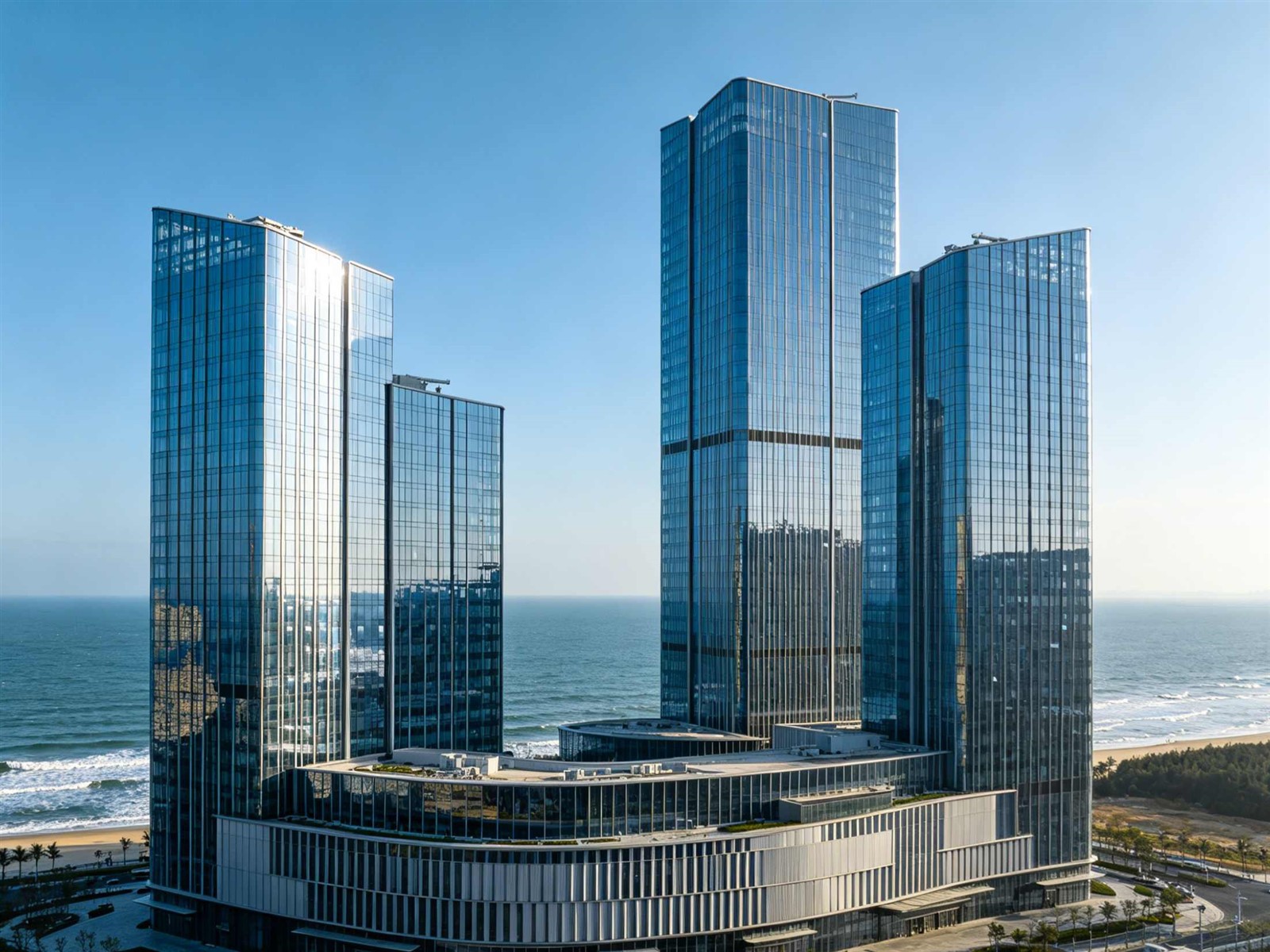
With the continuous updates to relevant standards around 2026, a new consensus is gradually forming in the industry: window systems are no longer a single procurement item but a key component that needs to be continuously evaluated and adjusted throughout the project lifecycle. Against this backdrop, the collaboration between developers, architects, and contractors is also changing, shifting from a linear division of labor to closer collaboration. This change is reflected not only in the technical aspects but also in the decision-making process, enabling projects to maintain greater adaptability and stability in the face of complex environments.
In actual project implementation, this collaborative relationship often manifests in more detailed technical communication. For some high-rise or large multi-unit projects located along the coastline, window systems are no longer just part of the building envelope, but directly participate in overall performance calculations. Architects, when conducting facade detailing, often need to repeatedly verify the impact of different opening forms on wind pressure distribution, while general contractors need to consider installation sequence, node treatment, and on-site tolerance control in advance during the construction organization phase. These seemingly scattered tasks, without the support of a unified technical logic, can easily lead to inconsistent execution results later on. Therefore, the understanding of the Florida building code goes beyond the textual level and gradually transforms into a common language that runs through design and construction.
In coastal developments, the importance of this "common language" is particularly prominent. Sea breezes, salt spray, and long-term hot and humid environments constantly challenge the sealing performance and structural stability of window systems. Many projects initially focus more on extreme wind pressure and impact testing, but in the long-term use phase, issues such as aging of sealing materials and fatigue of hardware can also affect overall performance. Therefore, some experienced developers have begun to incorporate a lifecycle perspective into the selection phase, including material durability, maintenance frequency, and replacement costs in their evaluation. While this approach may increase communication costs initially, it helps reduce uncertainty during the operational phase in the long run.
For commercial buildings, the situation is even more complex. Hotels, office buildings, and mixed-use projects often have higher requirements for facade continuity and visual appeal, while simultaneously meeting stringent safety standards. Under this dual constraint, window systems need to find a balance between structural performance and design expression. Some architects tend to use larger glass areas and simpler frame lines to enhance the facade's transparency, but this also means a greater reliance on structural design and testing data. In this case, the availability of complete and traceable test reports often becomes a key factor in determining the feasibility of the solution.
From a supply chain perspective, this shift in demand is constantly reshaping the industry landscape. In the past, many projects focused more on unit price during the procurement phase, but now there is a growing emphasis on assessing overall delivery capabilities. System solutions that can simultaneously provide design support, testing data, and a stable supply are more likely to be favored for large-scale projects. Especially in long-cycle multi-unit projects, the stability of the supply schedule directly affects the construction progress; delays can have a cascading effect. Therefore, some general contractors assess suppliers' production capabilities and delivery experience early on, rather than relying solely on quotes.
This proactive decision-making also plays a crucial role in the approval process. As local regulatory agencies become increasingly stringent in their review of materials and systems, project teams need to ensure the consistency of all parameters and data before submitting documents. This includes not only wind pressure ratings and impact test results, but also installation details, joint treatment, and integration with other systems. For many developers entering the Florida market for the first time, this process is often more complex than expected and relies more heavily on local experience. Teams with experience in similar projects are better able to mitigate potential problems early on, thus maintaining higher efficiency during the approval phase.
In practical design, sliding systems are becoming increasingly common. Compared to traditional opening mechanisms, horizontal sliding windows allow for larger openings within limited spaces, which is particularly important for high-density residential and resort projects. However, this design also places higher demands on the track structure, sealing system, and hardware. Without thorough testing, leaks or deformation can easily occur under strong winds or heavy rain. Therefore, when selecting a system, project teams typically prioritize solutions that have undergone comprehensive testing and validation, rather than making decisions solely based on design aesthetics.
Over time, the industry's understanding of standards has deepened. Initially, many projects passively met minimum requirements, but now standards are increasingly used as a reference tool for optimizing designs. For example, in some high-rise projects, detailed analysis of wind pressure distribution allows for optimization of material usage while ensuring safety, thereby controlling costs to some extent. This data-driven design approach has also transformed window systems from "conditions that must be met" to "variables that can be optimized," bringing greater flexibility to projects.
This shift will continue in the future. With increasing uncertainty in the climate and continuous updates to building standards, project teams will face an ever-growing number of variables. In this context, single-dimensional decision-making is no longer sufficient to support the needs of complex projects. Developers, architects, and contractors need to establish closer information-sharing mechanisms to ensure relatively accurate judgments at every critical juncture. The continuous updates to the Florida Hurricane window code will be a key factor driving this process, enabling the entire industry to gradually develop a more stable and mature response system in an ever-changing environment.
As this system gradually takes shape, project teams' understanding of "compliance" is also undergoing a subtle shift. In the past, many developers viewed compliance as a mandatory milestone; now, it's seen as a dynamic process throughout the entire project lifecycle. This is especially true in long-term coastal developments, where the process from conceptual design to construction often spans several years, during which the specifications themselves may be adjusted or even updated. This means that some technical choices made by architects in the early stages need to be re-verified for their suitability in the later stages. Consequently, more and more teams are beginning to reserve room for adjustments during the design phase, such as prioritizing more adaptable solutions when selecting impact window systems to reduce the risk of significant modifications when specifications change.
This forward-looking strategy is particularly important in multi-unit projects. Because these projects typically involve highly repetitive unit structures, once a technical path is confirmed, subsequent replication and expansion will rapidly amplify its impact. If the understanding of specification details is neglected in the early stages, adjustments may need to be made across multiple floors or even multiple buildings later, leading not only to increased costs but also uncertainty in the project timeline. Therefore, experienced general contractors often proactively raise key issues related to the window system during the early discussions, such as installation tolerances, waterproofing of joints, and the connection method with the curtain wall system, thus making potential risks explicit during the design phase.
At the execution level, the construction team's attention to detail also determines the final result. Even a thoroughly tested system may fail to perform as intended if deviations occur during on-site installation. For example, in high-rise buildings, the effect of wind pressure on window frames depends not only on design parameters but also on the actual installation conditions. If the frame is not evenly fixed or the sealing is inadequate, even if the product itself meets testing standards, problems may arise in extreme weather. Therefore, more and more contractors are incorporating the installation process into their quality control systems, ensuring that design intent is accurately realized during construction through standardized procedures and on-site inspection mechanisms.
Meanwhile, the collaboration between materials and systems is constantly deepening. In some large commercial buildings, window systems often need to work in conjunction with curtain walls, shading structures, and interior partition systems. This interaction between multiple systems means that the performance of individual components is no longer isolated. For example, in high-rise office buildings, to achieve better energy efficiency, architects may introduce multi-layered structures in the facade design, and the window system needs to perform both ventilation and insulation functions within these layers. In this situation, simply relying on product parameters is no longer sufficient to meet the requirements; a holistic design is necessary to achieve a balance between different systems.
Market feedback indicates that this comprehensive demand is gradually changing the decision-making methods of project teams. When choosing partners, developers are no longer solely focused on price or single performance metrics, but are placing greater emphasis on the partner's ability to collaborate across different phases. System solutions that can provide technical support in the early design stages, address on-site issues during construction, and offer ongoing maintenance are more likely to stand out from the competition. This shift is also prompting suppliers to continuously improve their capabilities, moving from simply being product providers to playing a more collaborative role with project partners.
This trend is also reflected in the approval and regulatory aspects. As relevant standards continue to improve, regulatory agencies are placing increasingly higher demands on the completeness and consistency of submitted materials. Project teams are required not only to provide product testing data but also to explain how the product is applied in specific projects, including installation nodes, connection methods, and interface handling with other systems. This more detailed review mechanism means that "compliance" is no longer just an outcome but a process that needs continuous verification. For teams already familiar with local processes, this change is more of an extension of existing experience, while for new entrants to the market, it requires gradually building an understanding of the system through practice.
In this process, the role of the Florida building code is also being re-evaluated. It is no longer just a constraint but more like a design and construction reference framework. By understanding its various requirements, project teams can identify potential risks earlier and make adjustments during the design phase. For example, in some projects near the coastline, by analyzing wind pressure distribution, differentiated window system configurations can be used on different facades, thereby optimizing costs while ensuring safety. This proactive design approach based on standards is gradually replacing the past approach of passively meeting minimum requirements.

As relevant updates are gradually implemented around 2026, the industry is beginning to gain a clearer understanding of future uncertainties. Changing climate conditions, the diversification of building types, and advancements in technology are all driving the continuous evolution of regulatory frameworks. Against this backdrop, collaboration among developers, architects, and contractors will become closer, with more frequent information sharing and feedback. Projects will no longer be simple linear processes but rather continuous adjustments and optimizations, with decisions at each stage impacting subsequent outcomes.
In this dynamic environment, teams that can translate their understanding of regulations into practical operational capabilities will have a greater competitive advantage. They will be able to make more rational choices during the design phase and maintain greater consistency during construction and acceptance. For the industry as a whole, this enhanced capability signifies a shift from individual project success to overall improvement, enabling coastal developments to demonstrate greater resilience and adaptability in the face of extreme environments.
With accumulated experience in real-world projects, a growing number of developers and general contractors have realized that risk control in coastal construction cannot be solved by a single material or system, but rather relies on a comprehensive coordination mechanism from design logic to construction execution. Window systems, as the part most directly exposed to the external environment, are shifting from a "standard feature" to a "performance node." This shift not only affects product selection but also the overall decision-making process of a project. For example, in large multi-unit projects, teams lock in key system parameters early on and use this as a basis for collaboration among structural, facade, and MEP (Mechanical, Electrical, and Plumbing) disciplines, thereby reducing the uncertainty caused by repeated adjustments later.
For architects, this change also means that design is no longer just a formal expression but needs to consider the relationship between regulations and performance at an earlier stage. Facade opening ratios, window segmentation methods, and opening forms can all have ripple effects during subsequent approvals and construction. If these factors are not adequately assessed in the early stages, compromises often need to be made between design integrity and compliance requirements later. In teams with mature processes, these issues are often resolved through multiple rounds of technical communication in the early stages, achieving a more stable balance between design and regulations.
This balance is particularly crucial in commercial buildings and mixed-use projects. Due to the complexity of their functions and the higher demands for long-term operation, window systems must not only meet current specifications but also maintain stable performance over a certain period. This leads project teams to prioritize well-proven systems with sustainable support capabilities, rather than solely relying on initial costs. To some extent, this shift in decision-making is driving the entire industry towards higher standards and a more systematic approach.
As these practices gradually solidify into experience, the meaning of the standards themselves also transforms. They are no longer merely passively followed boundary conditions, but become crucial references guiding project optimization. Faced with ever-changing climates and increasingly complex building types, developers, architects, and contractors need not only an understanding of the regulations, but also the ability to translate them into practical operational pathways. The continuous updates surrounding the Florida Hurricane window code are an evolution driven by this need, providing a foundational framework for coastal projects that can be repeatedly validated and adjusted.
From a longer-term perspective, this standard-based, project-oriented approach will gradually become the norm in coastal developments. When all stakeholders can collaborate within the same logical framework, the connection between design, construction, and operation will be smoother. The final result will not only be a building product that meets requirements, but a holistic system capable of long-term stable operation in complex environments-one reason why more developers are turning to Miami-Dade NOA impact windows in multi-unit coastal developments. This accumulated capability may be the key to maintaining the competitiveness of future coastal building projects under uncertain conditions.


