

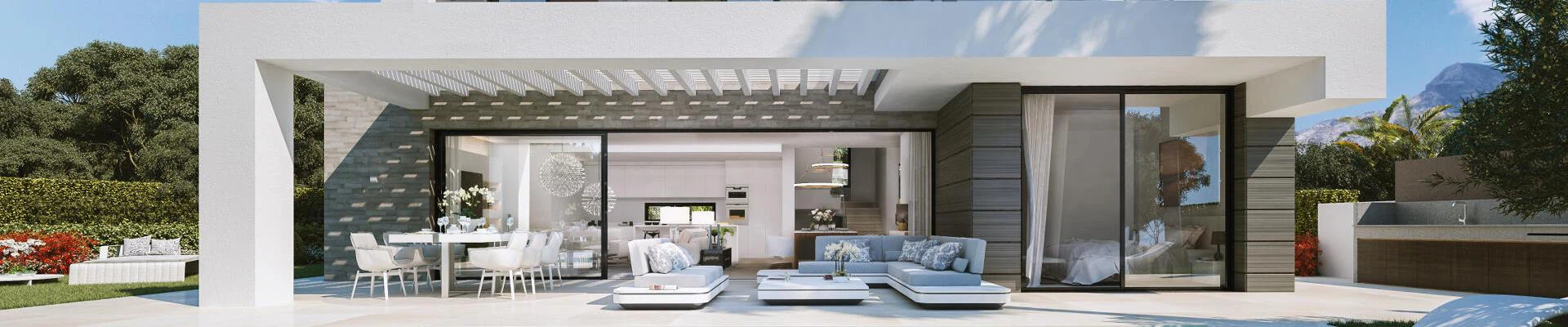
In the Australian residential building system, doors and windows are never a component that can be addressed retrospectively. For new homes, the window and door system not only determines the overall character of the building facade but also deeply influences energy efficiency, structural safety, and living comfort. With the continuous updates to Australian building codes in recent years, the performance requirements for doors and windows in residential projects have become increasingly clear and stringent during the approval, construction, and delivery stages. It is against this backdrop that the selection of windows and doors for new homes australia has gradually shifted from simple product comparisons to a professional decision requiring systematic judgment.
In actual projects, many developers or owners often underestimate the strategic importance of window and door systems in new homes. Some projects do not clearly define window and door system parameters in the initial design phase, only starting selection during the construction phase, ultimately forcing compromises between size, performance, or budget. This approach might have been barely acceptable in the past, but in the current Australian building environment, it is increasingly difficult to cope with the multiple requirements of compliance, energy efficiency, and market expectations.
Essentially, the selection of doors and windows for new homes is a "pre-emptive decision." It needs to be coordinated with the overall design, structural system, and energy efficiency targets during the architectural design phase, rather than being a post-construction addition. Only under this premise can the door and window system truly play its due functional value, rather than becoming a weakness that limits the building's expression.
Differences in Window and Door Selection Logic Between New and Renovation Projects
Before discussing specific system types or performance indicators, it's essential to clarify the fundamental differences in window and door selection between new and renovation projects. Many general recommendations regarding windows and doors originate from renovation scenarios, and directly applying them to new homes can be misleading.
Renovation projects are typically built upon existing building conditions. The thickness of existing walls, opening sizes, and structural forms all limit the range of window and door options. In this case, windows and doors are more about adapting to the existing conditions, focusing on replacing and improving local performance. New homes, however, are entirely different. They allow designers to determine the form and parameters of the window and door system from the early stages of construction, based on spatial layout, lighting requirements, and facade proportions.
Because of this freedom, new homes bear a greater responsibility in window and door selection. Inappropriate decisions made early on often result in significantly higher costs for later adjustments compared to renovation projects. Modifications to opening sizes, recalculations of the structure, and even redoing energy efficiency models can all have a cascading impact on project schedules and budgets.
This is why, in Australia's new residential market, window and door systems are often considered during the architectural design phase. For projects that prioritize long-term living quality, windows and doors are not merely "filling gaps," but an integral part of the building envelope.
The Core Role of Building Codes in the Selection of Windows and Doors in New Residential Buildings
Any discussion about window and door systems in new residential buildings cannot bypass the fundamental framework of Australian building codes. Whether it's a detached house, townhouse, or multi-family residential project, window and door systems must meet relevant national and local requirements at the compliance level.
Australia's National Construction Code (NCC) sets uniform technical baselines for new residential buildings, with the content related to windows and doors mainly focusing on structural safety, airtightness, watertightness, and energy efficiency. These requirements are not abstract but directly affect the design and selection of window and door systems through specific performance indicators.
In practice, windows and doors in new residential buildings often need to pass relevant testing standards to prove their performance meets the requirements. AS2047, as an important performance standard for window and door systems in Australia, is widely used in residential projects. It assesses the reliability of window and door systems under different environmental conditions through tests of wind pressure resistance, watertightness, and airtightness.
For newly constructed residential buildings, the significance of AS2047 lies not only in obtaining approval, but also in providing a predictable performance guarantee for the long-term use of window and door systems. Especially in areas with complex climates or frequent extreme weather events, compliant window and door systems can significantly reduce the risks associated with later maintenance and replacement.
The Impact of Climate Differences on Window and Door Systems in New Australian Homes
Australia is a vast country with significant differences in climate conditions across its regions. From temperate cities to tropical coasts and arid inland areas, new homes face vastly different environmental conditions. This diversity means that there cannot be a "one-size-fits-all" approach to window and door systems.
In coastal areas, new homes often need to withstand higher wind pressure and the long-term corrosive effects of salt in the air on materials. Inadequate structural design or surface treatment of window and door systems may result in good appearance in the short term, but over time, issues such as decreased sealing performance or corrosion of hardware may arise.
In contrast, inland areas or regions with greater temperature variations require greater attention to the stability of window and door systems under conditions of thermal expansion and contraction. If the fit between the window/door frame and the wall is inadequate, seasonal temperature fluctuations can lead to deformation or seal failure, impacting indoor comfort and energy efficiency.
Therefore, the selection of windows and doors for new homes in Australia cannot be divorced from the specific geographical and climatic context. A truly reasonable solution is one that finds a balance between the environmental conditions of the building's location, regulatory requirements, and usage needs, rather than simply pursuing the ultimate performance of a particular parameter.

The Role of Window and Door Systems in the Long-Term Value of New Homes
In new residential projects, the value of window and door systems extends beyond the moment of handover. Unlike many replaceable interior components, windows and doors often remain with the building for many years, and their performance stability directly impacts the continuity of the living experience.
From a long-term perspective, a window and door system planned systematically during the construction phase often results in lower maintenance costs and more stable performance later on. Conversely, if choices are made solely based on initial cost, neglecting durability and adaptability, future repair and replacement costs may far exceed the initial budget savings.
This is why an increasing number of Australian residential projects are beginning to view window and door systems as "long-term assets" rather than one-time investments during the design phase. By making more rational choices during construction, buildings not only better meet current regulatory requirements but also maintain a stable quality of life throughout their future lifespan.
The Real-World Logic Behind Material Selection: Why Aluminum Alloys Have Become the Mainstream
In the Australian new residential market, the choice of door and window materials is often a key issue to be addressed early in the project. Differences in appearance, performance, durability, and maintenance costs among different materials directly impact the long-term performance of the residence. In recent years, the application of aluminum alloy doors and windows in new residential buildings has been steadily increasing. This trend is not accidental, but rather the result of a combination of practical factors.
From a structural stability perspective, aluminum alloy materials offer particularly significant advantages in large-size door and window systems. As new Australian homes increasingly emphasize open spaces and indoor-outdoor connectivity, large glass areas and wide opening styles are becoming more common. Under this design trend, door and window frames need sufficient strength to support larger glass sizes and resist wind pressure. In contrast, aluminum alloys, while maintaining a slender profile cross-section, still provide reliable structural performance, making them more readily available to meet the design needs of modern residences.
Besides structural factors, durability is also an unavoidable consideration in new residential projects. Australia's diverse climate conditions place higher demands on door and window materials. With continuous optimization of surface treatment and alloy composition, aluminum alloys have become better able to withstand the challenges posed by high humidity, strong sunlight, and coastal environments. This material characteristic is particularly important throughout the lifespan of residential projects seeking long-term stability.
When discussing windows and doors for new homes australia, aluminum alloys have become mainstream not only because of their "modern appearance," but also because they are more easily aligned with the overall goals of new housing construction in terms of structure, safety, and adaptability.
Balancing Thermal Performance and Living Comfort
In new residential projects, the thermal performance of window and door systems directly impacts the living experience, yet it's often misunderstood as a single "energy-saving indicator." In reality, the relationship between window and door insulation and indoor comfort is far more complex.
The diverse climates across different regions of Australia necessitate a uniform approach to window and door insulation design. In milder climates, windows primarily balance natural light and ventilation, while in hotter regions with significant temperature variations, they play a more crucial role in reducing heat transfer.
For new residential buildings, window and door systems often constitute a significant portion of building energy efficiency assessments. Whether through double glazing, insulated profiles, or more sophisticated sealing designs, the thermal performance of windows and doors directly impacts overall energy efficiency. However, using numerical values as the sole criterion may overlook details of the actual living experience.
For example, in some projects, overemphasizing insulation may sacrifice natural ventilation or opening flexibility, leading to restricted indoor air circulation. In such cases, even with a good energy efficiency rating, the comfort of living may not be ideal. Therefore, when selecting window and door systems for new residential buildings, it is more reasonable to consider thermal performance as part of the overall living experience, rather than as an isolated technical indicator.
The Impact of Opening Methods on Space and Lifestyle
In the design of newly built homes in Australia, the opening methods of doors and windows profoundly influence how space is used. As residential design increasingly emphasizes lifestyle, door and window systems are no longer merely passive enclosure components, but rather important elements that actively participate in shaping the space.
For example, the widespread use of large sliding or folding doors in new homes reflects the high importance Australian families place on the continuity of their indoor and outdoor lives. When door and window systems can be fully opened when needed, the interior space can naturally extend to the yard or terrace, creating a more flexible living environment. This design not only improves space utilization efficiency but also strengthens the connection between the home and the natural environment.
At the same time, different opening methods offer varying convenience and maintenance requirements in daily use. If, during the planning stage of a new home, a more rational assessment of door and window opening methods is made, considering family structure, lifestyle habits, and potential future changes in usage, many unnecessary adjustments can be avoided later.
At this level, the choice of door and window systems transcends purely technical issues and becomes part of lifestyle design. This proactive thinking is particularly important for new homes, as it directly relates to the adaptability and flexibility of the residence over many years of use.
Implicit Requirements for Window and Door Systems in Different Types of New Residential Buildings
While the concept of "new residential buildings" may seem uniform, the requirements for window and door systems vary significantly across different housing types in actual projects. Detached houses, townhouses, and multi-family homes differ in structural form, density, and management methods, and these differences are reflected in the selection logic of window and door systems.
Detached houses typically offer greater design freedom, allowing window and door systems to better serve spatial and landscape needs. In these projects, windows and doors often play a crucial role in shaping the building's character; their size, proportions, and opening methods directly impact the overall design.
Townhouses and multi-family homes, on the other hand, require a balance between personalized design and overall harmony. Window and door systems must not only meet the needs of individual households but also demonstrate greater controllability in terms of facade uniformity, construction efficiency, and maintenance management. For these projects, the standardization and reliability of window and door systems are often more practical than extremely personalized designs.
It is precisely in these different types of residential projects that the selection logic for door and window systems exhibits multi-layered complexity. This also illustrates once again that, in the construction of new residential buildings, door and window decisions are not simply product selections, but rather a systematic project that requires comprehensive consideration of building type, usage needs, and long-term management.
The Rationality of Window and Door Systems from a Construction Perspective
In new residential projects, the rationality of window and door systems is not only reflected in the design drawings but also directly affects the smoothness of the construction process. A window and door scheme that is fully considered during the design phase can often reduce on-site adjustments, improve construction efficiency, and reduce the risks caused by errors.
If there is insufficient coordination between the window and door system and the building structure, problems such as mismatched opening sizes, complex installation details, or difficulties in sealing may occur during construction. Once these problems are exposed during the construction phase, they often require temporary modifications, which not only increase costs but may also affect the final installation quality.
Therefore, in new residential buildings, whether the window and door system is "easy to construct" is also a crucial professional issue. A reasonable system design should meet performance requirements while providing sufficient tolerance for errors during construction. This continuous thinking from design to construction is one of the important characteristics of high-quality residential projects.

Common Mistakes in Door and Window Decision-Making During New Construction Projects
Even experienced builders and developers can easily fall into some common pitfalls when choosing doors and windows in new residential projects. These pitfalls often stem from an excessive focus on short-term costs, design trends, or superficial aesthetics, while neglecting the profound impact of doors and windows on the overall value of the building over long-term use.
A typical example is the overemphasis on low-cost materials in the early design phase. While inexpensive doors and windows may seem to save on the budget, their inadequate performance after the new home is delivered can lead to sealing failures, deformation, or accelerated wear, increasing future maintenance and replacement costs. Instead of cutting corners on doors and windows during construction, it's better to mitigate long-term risks from the outset by selecting systems suitable for the project's positioning and climate conditions during the new construction phase.
Another common pitfall is focusing solely on a single performance indicator. For example, some projects overemphasize thermal insulation or airtightness while neglecting ventilation, opening flexibility, or lighting effects. This one-sided pursuit often leads to decreased living comfort and even affects indoor environmental quality. Truly rational door and window selection requires finding a balance between thermal performance, structural safety, and living experience, rather than simply pursuing the highest value for any one indicator.
Furthermore, the disconnect between design and construction is a frequent problem. The window and door systems for new residential buildings should be considered holistically from the design phase, rather than being decided on an ad-hoc basis during construction. If the size, style, or material selection doesn't match the building structure, the cost of on-site adjustments often far exceeds the investment in making systemic decisions early on. This illustrates that window and door systems are not merely products, but a building systems engineering project, requiring a continuous approach from planning to implementation.
Balancing Budget, Performance, and Long-Term Value
When choosing windows and doors for new residential buildings, developers and homeowners often face a trade-off between budget constraints and performance requirements. The price of a window and door system includes not only the materials themselves but also design, transportation, installation, and long-term maintenance costs. Focusing solely on initial purchase costs during decision-making can easily overlook the total costs incurred over long-term use.
Through scientific planning and professional evaluation, a balance can be found between budget, performance, and long-term value. For example, for new residential projects in coastal or high-temperature areas, choosing high-performance aluminum alloy window and door systems, while requiring a higher initial investment, significantly reduces later maintenance costs and extends the overall lifespan of the building due to their superior wind resistance, corrosion resistance, and thermal performance. In the long run, this initial investment can bring higher living quality and market value to the residence.
Furthermore, the long-term value of window and door systems is not only reflected in maintenance costs but also in the living experience and indoor environmental quality. Natural lighting, ventilation, indoor temperature regulation, and spatial flexibility-these factors need to be comprehensively considered during the initial window and door selection phase. If these factors are not adequately considered in early planning, even later localized upgrades may not achieve the optimal overall effect. Therefore, for new residential projects, the selection of window and door systems should be viewed as an investment in the long-term value of the building, rather than merely a matter of short-term cost control. By prioritizing performance, durability, and suitability within the budget, a higher overall return can be achieved over a ten- or even twenty-year living period.
Coordination with Overall Architectural Design
Choosing a window and door system is not merely a technical matter, but also an integral part of the design decision. In modern Australian residences, windows and doors often directly shape the building's facade style and spatial experience. Wide folding doors, floor-to-ceiling windows, or large sliding systems not only meet the needs for lighting and ventilation but also open up indoor and outdoor spaces, realizing the concept of "lifestyle design."
To achieve this goal, the size, proportions, opening methods, and material texture of windows and doors need to resonate with the overall architectural scheme. During the new residential construction phase, architects and developers should collaborate on window and door selection to ensure system unity in function, performance, and aesthetics. This collaboration not only helps enhance the overall value of the residence but also avoids a disconnect between design and construction, reducing modification costs and potential risks.
Furthermore, the placement and layout of window and door systems in new residences directly impacts interior space utilization and views. Well-planned windows and doors can bring natural light into the interior, optimize spatial perception, and provide comfortable air circulation and scenic views. For new residences seeking a high-quality living experience, these factors often outweigh simple material or price choices.
The Necessity of Systematic Selection
As the preceding analysis shows, choosing suitable window and door systems for new homes Australia requires simultaneous consideration of building codes, climate conditions, material performance, spatial design, and long-term maintenance costs. This is a systematic undertaking spanning the design, construction, and usage cycles, not simply a matter of selecting window and door products.
In new residential projects, incorporating the selection of windows and doors for new homes australia into the overall design from the initial project stage, and scientifically planning in conjunction with location, housing type, and living needs, will significantly enhance the long-term value of the residence. Conversely, ignoring systematic thinking and making decisions solely based on short-term costs or single indicators often leads to multiple losses in performance, comfort, and maintenance costs later on.
Therefore, developers, builders, and homeowners alike should consider window and door systems as an essential component of the building. Only through proactive planning, reasonable assessment, and comprehensive consideration can the overall performance of new homes in terms of functionality, aesthetics, and durability be ensured, achieving the goal of selecting windows and doors for new homes that truly meet Australian standards.


