

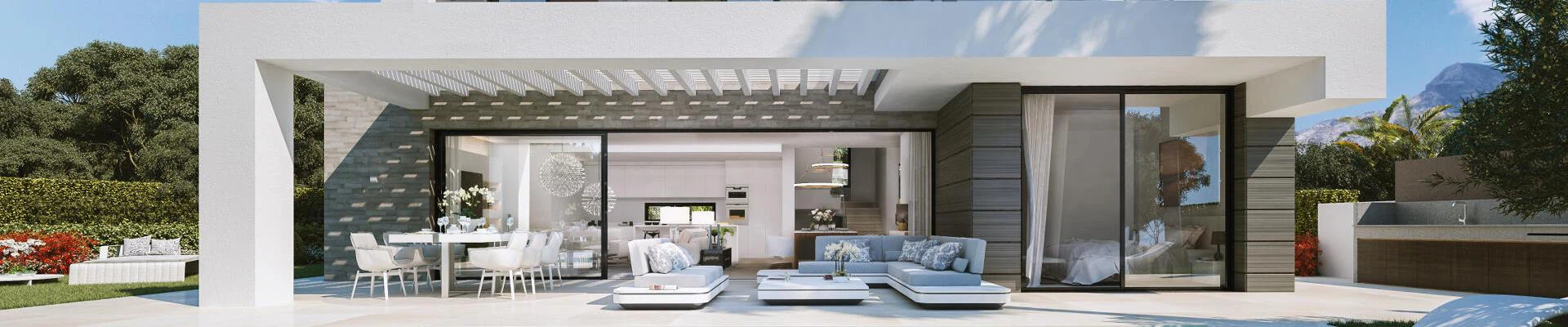
For commercial developers, general contractors and architectural designers in charge of office towers, retail plazas, mixed-use complexes and street-side commercial premises, window procurement is more than a simple price-comparison purchasing task. Unlike residential window procurement focused on basic comfort, commercial fenestration affects building energy consumption, exterior façade consistency, daily tenant operation, code compliance and long-term property asset value. Blindly cutting upfront material costs always leads to post-construction rework, frequent maintenance, inspection failure and amplified full-lifecycle expenditure in commercial projects, especially in coastal hurricane window projects. As a cost-balanced, code-qualified fenestration solution for modern business buildings, professional aluminum windows for commercial buildings support standardized value engineering implementation, helping project teams optimize cost allocation, reduce lifecycle ownership costs, and maximize overall building value throughout the building's service life.
What Does Value Engineering Mean in Commercial Window Procurement?
Many builders misunderstand value engineering as arbitrary budget reduction or over-specifying high-end window configurations for project premium. Essentially, value engineering (VE) is a systematic procurement strategy that matches product function with actual project value. It focuses on reserving mandatory performance functions, removing redundant design configurations, optimizing window specifications and streamlining purchasing workflows, without lowering local building code standards and operational requirements for commercial spaces.
Commercial buildings feature high pedestrian flow, long daily operating hours, strict exterior aesthetic requirements and high later-stage maintenance pressure. Windows serve multi-functional purposes: building envelope protection, energy control, noise isolation, brand façade display and safety defense. In commercial window procurement, value engineering requires teams to break the single-price evaluation mindset. Project stakeholders need to evaluate upfront purchase cost, installation labor cost, annual operational energy cost, service lifespan, warranty cost and replacement risk comprehensively. The core goal is to obtain maximum practical value with reasonable investment, rather than pursuing the lowest unit price or top-level unnecessary configuration.
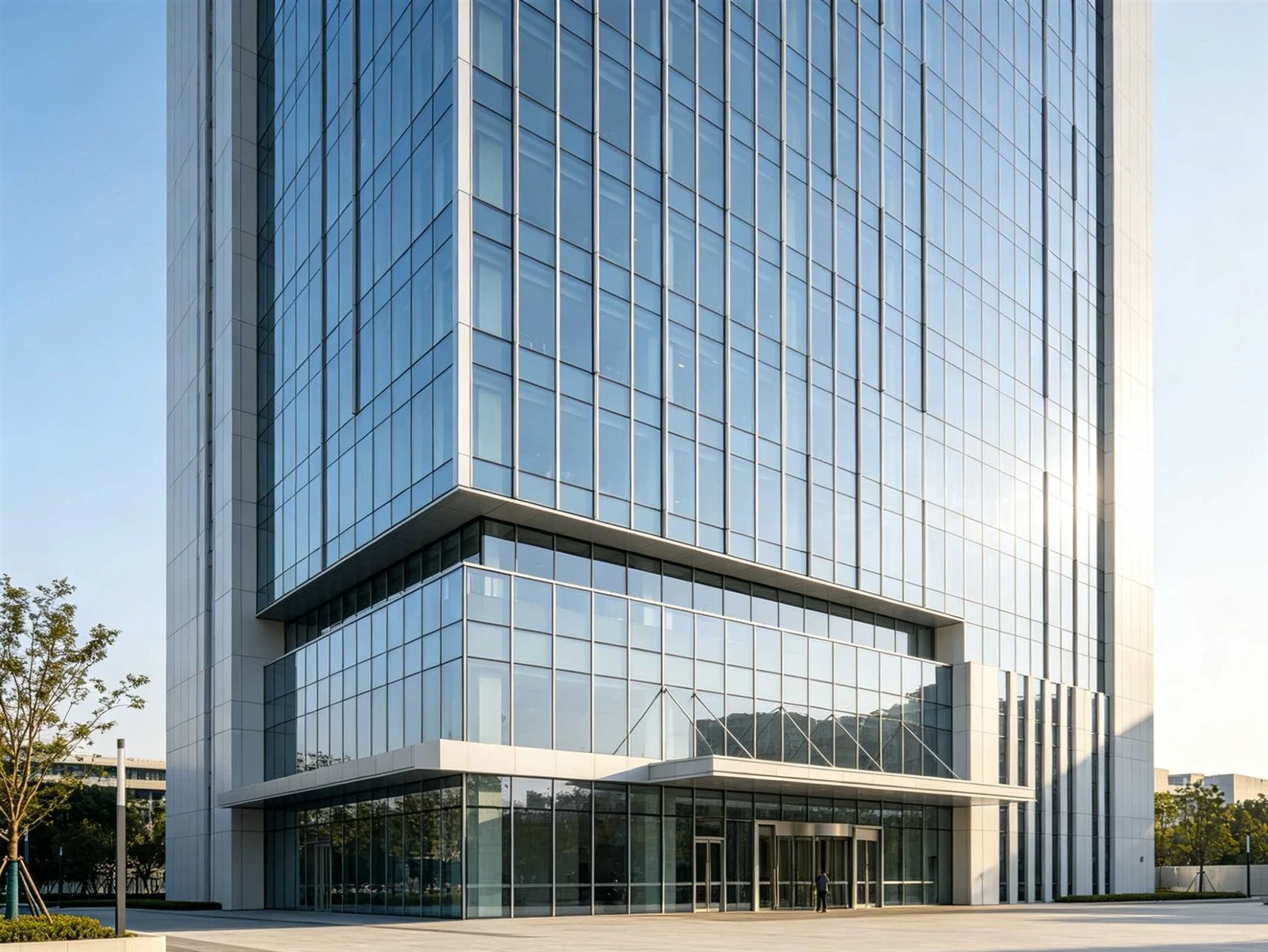
Why Aluminum Windows for Commercial Buildings Are Ideal for Value Engineering
Among mainstream commercial window materials including uPVC, timber and steel, aluminum systems fit value engineering logic best, offering tailored structural performance, stable cost control and low long-term maintenance requirements across diversified commercial building applications.
First, aluminum profiles own high structural rigidity and flexible machinability. Manufacturers can customize large-size fixed glass panels, curtain-wall integrated windows and standard casement windows to match modern commercial façade design, covering high-rise office buildings, open retail spaces and compact street shops. It avoids extra customized processing cost caused by material limitations, which commonly happens on timber and uPVC commercial windows.
Second, the mature aluminum fenestration supply chain ensures stable batch pricing and fast delivery. For large-scale mixed-use commercial developments, standardized aluminum window series cut down production cycle and onsite installation time, reducing labor idle cost and schedule delay risks.
Third, upgraded surface finishing and thermal-break structures greatly improve weather resistance. Aluminum windows resist urban pollution, seasonal temperature change and exterior abrasion, cutting repainting, repair and component replacement frequency. Lifecycle cost analysis often demonstrates that higher-quality window systems generate greater long-term savings than low-cost alternatives. Reduced maintenance frequency, fewer replacement cycles, improved energy efficiency and lower operational disruption costs can significantly reduce total ownership expenditure over the lifespan of a commercial property. For asset-held commercial properties, it lowers annual property management expenditure, stabilizes building market value, and perfectly meets VE's core demand: balancing upfront budget and long-term operational benefits.
Balancing Initial Cost and Long-Term Building Value
Two typical procurement mistakes hinder value engineering implementation in commercial window projects. The first mistake is extreme cost-cutting: contractors select downgraded windows with thin profiles, low-grade sealing and ordinary glass to lower initial procurement budget. This choice brings apparent hidden risks: poor thermal performance raises HVAC electricity bills, defective drainage causes interior water damage, and insufficient structural strength fails wind resistance inspection. The accumulated rework, energy and liability costs far exceed the saved upfront budget.
The second mistake is excessive over-specification. Some design teams apply luxury-grade window systems to community commercial podiums and low-traffic retail buildings, adding premium anti-decorative coatings and ultra-high performance glass that local codes do not require, resulting in serious performance redundancy and budget waste.
Qualified value engineering builds a balanced cost-value system. Project teams shall grade window configurations based on building positioning, floor height, regional climate and tenant demands. Core safety and code-required performance must be retained; non-essential aesthetic and upgraded functions can be adjusted properly. From a value engineering perspective, return on investment should be evaluated beyond initial procurement budgets. Energy savings, reduced maintenance expenses and extended service life often contribute to a stronger long-term financial return for building owners and property investors. This balanced mode protects commercial building long-term usability, minimizes unexpected lifecycle spending, and keeps total fenestration cost within the pre-set project budget.
Key Performance Factors That Affect Commercial Window Value
All performance indicators shall be assessed during VE evaluation, since each index directly determines usability, compliance and maintenance cost of commercial window systems. The following performance categories typically have the greatest impact on lifecycle cost, building efficiency and long-term asset value.
Thermal Performance
Commercial buildings run heating and cooling systems nearly all year round, making thermal performance a core cost-saving factor. Thermally broken aluminum frames and multi-layer insulated glass reduce heat transfer efficiently, cutting long-term HVAC energy consumption for malls and office buildings. Designers shall match heat transfer coefficient standards according to local energy codes, instead of adopting unified high-grade thermal structure for all project zones to avoid cost waste.
Wind Load Resistance
Most commercial properties feature large window openings and elevated building heights. Wind load resistance is a mandatory inspection item for commercial fenestration. Window profile thickness, reinforced mullion structure and hardware bearing grade must comply with regional wind zone standards. For roadside and waterfront commercial buildings, enhanced wind-resistant configuration is non-negotiable to prevent frame deformation, glass falling and safety accidents.
Water Resistance
Poor water tightness leads to wall mildew, interior decoration damage and tenant complaints in commercial spaces. Advanced integrated drainage cavities and multi-channel sealing structures stop rainwater backflow under stormy weather. Value engineering optimizes drainage structure design to simplify processing cost, rather than simplifying sealing components to cut material cost.
Acoustic Insulation
Located in downtown business districts, commercial buildings face constant traffic and crowd noise. High acoustic insulation improves office efficiency and shopping experience. Project teams can classify acoustic grades: high soundproof glass for office and boutique retail areas, basic sound insulation for warehouse-style shops and auxiliary commercial spaces, to realize reasonable cost distribution.
Durability and Corrosion Resistance
Commercial windows have high opening frequency and long-term outdoor exposure. Anti-corrosion coating, oxidation-resistant alloy material and stainless steel supporting hardware extend the service life of aluminum windows for commercial buildings effectively. Excellent durability reduces seasonal renovation and part replacement work, bringing a stable exterior façade appearance and lower maintenance costs for commercial assets.
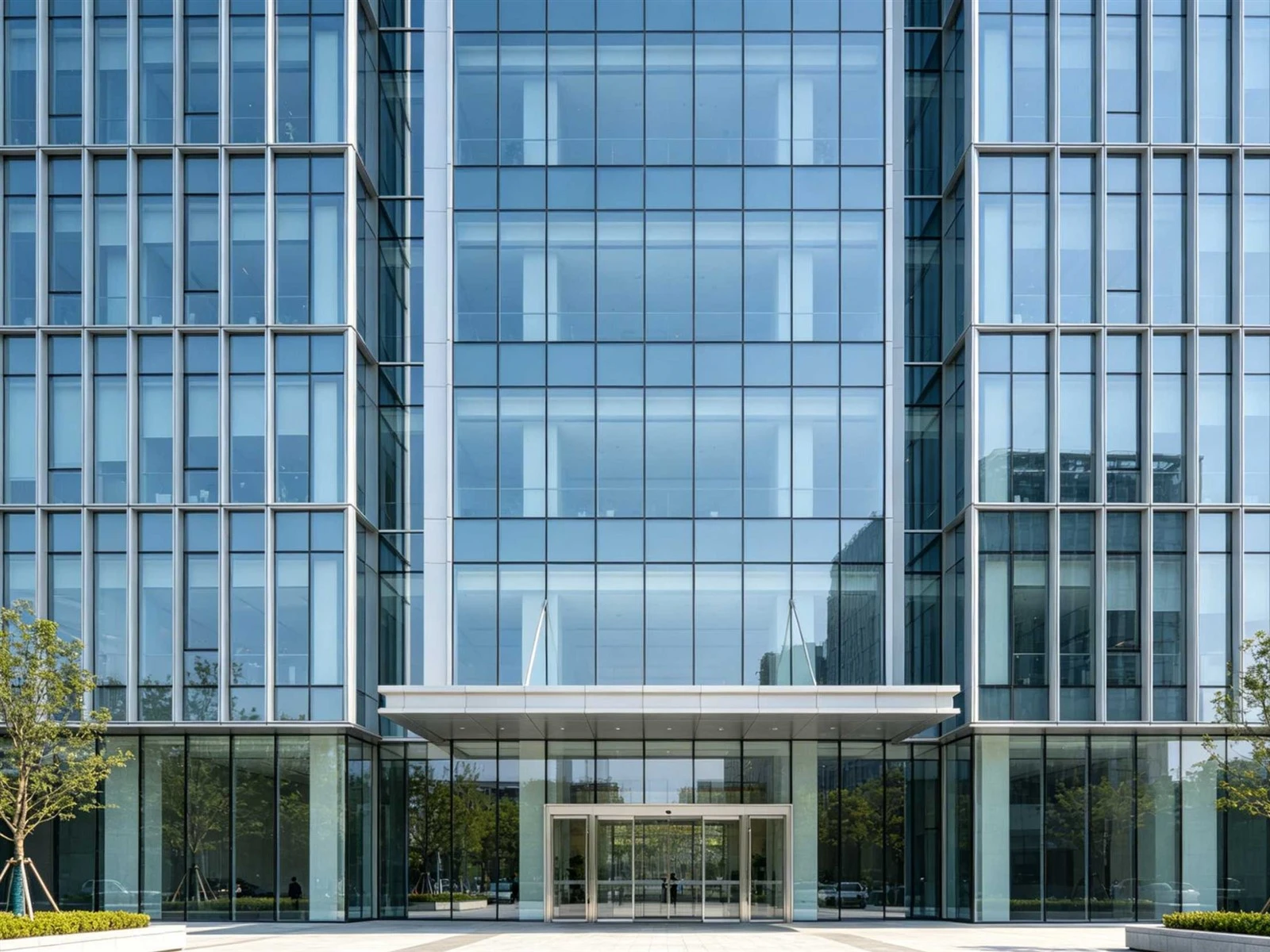
How Specification Optimization Improves Procurement Efficiency
Standardized specification optimization is the most efficient VE measure to simplify commercial window procurement, production and onsite construction. First, unify modular window specifications within one commercial project. Unified frame series, glass thickness, hardware models and mounting sizes reduce customized window quantity. Mass standardized production lowers unit price, shortens factory lead time and decreases defective product rate.
Second, clean up redundant technical parameters in bidding documents. Many projects copy specification standards from high-end landmark projects blindly, adding unnecessary anti-impact, ultra-low radiation and customized surface parameters that are not required by local codes. Removing useless parameters reduces production difficulty without influencing daily use performance. Energy-efficiency specifications should also be optimized according to actual climate conditions. Selecting thermally broken aluminum frames, Low-E glazing and insulated glass units based on project location can improve thermal performance while avoiding unnecessary spending on over-specified energy-saving configurations.
Third, refine specification details to avoid delivery deviation. Clear written standards on profile finish, installation gap, waterproof accessories and acceptance criteria help suppliers provide matched products, avoid onsite alteration, unify bidding judging standards, and speed up the whole procurement progress for commercial window projects.
How to Avoid Costly Procurement Mistakes and Choose the Right Manufacturer
The biggest procurement pitfall for commercial fenestration is bidding evaluation based solely on quotation. Low-bid window suppliers often downgrade profile thickness, sealing strips and coating quality secretly, which causes inspection rejection, project suspension and later-stage compensation disputes. Another common mistake is ignoring manufacturer's commercial project experience: residential-focused window factories lack knowledge of commercial code rules, large-opening installation standards and commercial batch delivery demands.
To protect project value, developers and contractors shall screen qualified manufacturers from four dimensions. First, verify complete performance test reports and code compliance certificates for commercial-use window products. Second, check the supplier's past service cases on office towers, retail complexes and large commercial developments. Third, confirm batch color consistency, production capacity and on-time delivery ability to fit tight commercial construction schedules. Fourth, confirm long-term after-sales warranty, onsite technical guidance and spare part supply services, which is especially important in early-stage coastal project planning for window systems.
Successful value engineering is not about purchasing the cheapest window system. Instead, it focuses on selecting aluminum windows for commercial buildings that achieve the optimal balance between performance, compliance, durability and lifecycle cost. Through specification optimization and cooperation with experienced manufacturers, project teams can maximize long-term building value while maintaining effective budget control throughout the construction process and ensuring successful project delivery.


