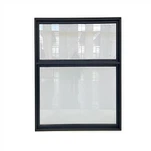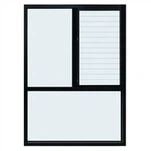

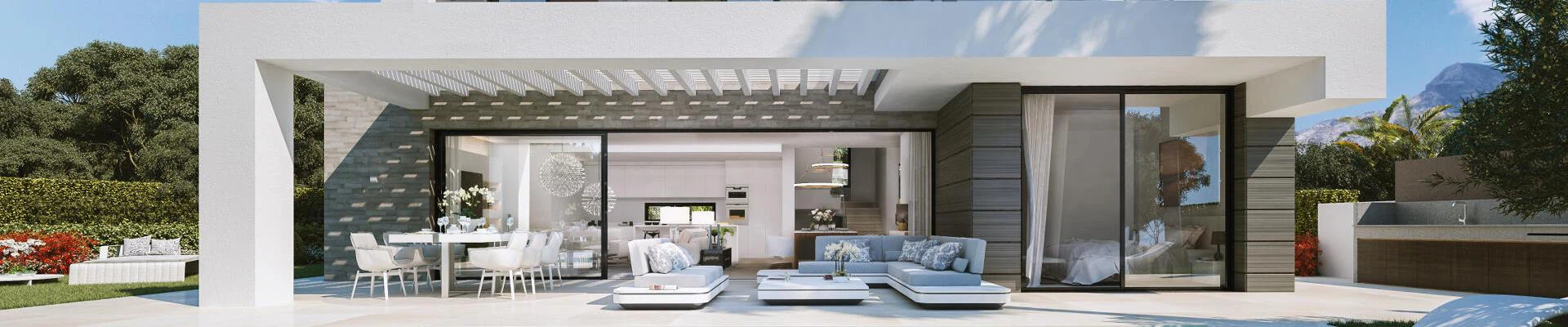
For architects, general builders, and real estate developers delivering waterfront residential estates, coastal high-rise towers, beachfront commercial complexes and hurricane zone properties, exterior aluminium fenestration durability is one of the most overlooked yet critical design considerations. Coastal built environments combine high salinity airborne mist, intense ultraviolet solar radiation, recurring stormwater erosion, and drastic day-night temperature swings, which rapidly degrade bare aluminium window profiles without professional surface finishing. Faded frames, white rust oxidation, peeling surface layers and joint corrosion lead to onsite rejection, early replacement, warranty claims and damaged project reputation for construction teams. As one of the most widely adopted advanced coating technologies for coastal construction, powder coated aluminium doors and windows provide long-term corrosion resistance, color stability, and weather protection for modern waterfront developments.

Why Coastal Environments Are Harsh on Aluminum Windows
Inland aluminium window frames can maintain intact surface performance for decades with basic finishing, while coastal exposure creates compound irreversible damage to unprotected aluminium substrates. The primary threat is salt fog corrosion: sea salt particles adhere to frame crevices, drainage grooves and hardware connection gaps, forming electrolyte substances that eat away at aluminium alloy surfaces and generate white powdery rust, which weakens profile structural thickness over time.
Besides salinity, coastal areas feature stronger UV radiation year-round compared with inland zones. Continuous ultraviolet exposure breaks the molecular structure of low-grade surface coatings, causing chalking, color fading and surface cracking over time. Seasonal hurricane and monsoon rainfall worsens the damage: high-pressure rainwater penetrates flawed coating layers, accelerates internal oxidation, and corrodes matching stainless steel hardware and welding joints. For builders managing batch coastal projects, inferior coated windows bring frequent post-handover maintenance work, higher property insurance costs, and inconsistent façade color that downgrades overall building asset value.
For developers and contractors, corrosion-related coating failure often results in façade inconsistency, premature window replacement, warranty disputes, and increased maintenance budgets throughout the building lifecycle.
How Powder Coated Aluminium Doors and Windows Resist Coastal Corrosion
Unlike thin spray paint that only covers aluminium surfaces superficially, professional industrial powder coating adopts an electrostatic adhesion curing process designed for harsh seaside working conditions. The full coating workflow includes alkali degreasing, acid passivation, chromate anti-corrosion pretreatment, electrostatic powder spraying, and high-temperature integral curing, forming a dense, seamless protective film tightly bonded to the aluminium profile substrate.
This dense coating effectively prevents direct contact between salt ions, moisture, and UV rays and the aluminum alloy substrate. The custom-designed coastal-grade powder coating formula incorporates UV stabilizers and hydrophobic additives, enhancing surface water resistance and allowing rainwater and salt residue to be naturally washed away by coastal storms. Simultaneously, the integrated edge and grooved coating covers every cut corner, drainage channel, and mounting hole of the window frame, eliminating vulnerable exposed metal dead zones. For developers needing to balance upfront material budgets with long-term maintenance costs, custom-coated aluminum alloy doors and windows offer consistent rust, fade, and weather resistance, meeting the standards of mainstream residential and commercial coastal projects. Compared to standard residential powder coatings, coastal-grade coating systems typically employ more refined pretreatment processes, greater coating thickness, and improved UV-resistant resin formulations to withstand long-term marine corrosion.
Comparing Powder Coating, PVDF Coating, and Anodizing for Coastal Projects
Architects and specification writers often compare three mainstream aluminium finishing techniques during coastal tender design, each with distinct cost limits, weather resistance grades and applicable project scenarios for seaside fenestration.
First, conventional anodizing forms a thin oxide layer on aluminium surfaces through electrochemical treatment. It features basic anti-corrosion ability and metallic original texture, but has obvious drawbacks for shoreline projects: single color options, weak UV resistance, and easy local scratch corrosion. It is only suitable for secondary inland coastal renovation projects with low aesthetic requirements and limited budget.
Second, PVDF fluorocarbon coating ranks top-tier in weather resistance, with excellent salt spray resistance and color retention for ultra-high-end waterfront landmark buildings. It can withstand over 5000-hour professional salt spray testing, yet it comes with high material costs, complicated production procedures, long lead times, and strict construction environment requirements, which raises overall fenestration budget for large-batch multi-unit coastal communities.
Third, upgraded coastal powder coating sits in the high-cost-performance middle zone. It offers richer matte, metallic, textured and custom RAL color options than anodizing, offers strong corrosion resistance at a lower cost than PVDF coating while maintaining excellent aesthetic flexibility and production efficiency, and supports fast batch factory production. It balances aesthetic flexibility, construction efficiency and lifecycle durability, making it the most widely adopted coating solution for standard coastal residential buildings, retail waterfront plazas and mid-rise coastal office developments using aluminium windows and doors systems.
| Feature | Powder Coating | PVDF Coating | Anodizing |
| Salt Spray Resistance | High | Very High | Moderate |
| UV Resistance | High | Excellent | Moderate |
| Color Selection | Extensive | Extensive | Limited |
| Cost Efficiency | High | Moderate | High |
| Coastal Suitability | Excellent | Excellent | Limited |
Key Performance Standards for Coastal Window Coatings
Qualified coastal window coatings must pass third-party authoritative testing and meet regional building exterior fenestration codes, which builders and developers must verify before procurement to avoid inspection failure and onsite rework. Four core benchmark standards dominate seaside coating specification evaluation.
- AAMA 2603
Suitable for standard residential applications with moderate weather exposure.
- AAMA 2604
Provides enhanced color retention and weather resistance for demanding exterior environments.
- AAMA 2605
Represents the highest performance level and is commonly specified for coastal, high-rise, and landmark architectural projects.
Salt spray resistance is one of the most important evaluation criteria for coastal window coatings. Projects located closer to the shoreline often require higher salt spray resistance levels to improve long-term durability under marine exposure. UV color retention standard guarantees less than 5% color fading after long-term outdoor exposure, keeping unified façade tone for clustered coastal communities. Adhesion strength standard ensures coatings do not peel, blister or fall off under temperature alternation and storm impact. Lastly, scratch and chemical resistance standard prevents daily cleaning abrasion and sea wind chemical erosion, protecting frame integrity during installation and long-term building operation. Professional manufacturers will provide complete test reports and coating qualification documents for project plan review and final occupancy inspection.

How Advanced Coating Technologies Extend Window Service Life
Traditional coating systems often deteriorate more quickly in aggressive coastal environments, resulting in increased maintenance requirements. Modern advanced coating technologies help extend service life and improve long-term durability for coastal window systems. Modern improved powder coating adds nano anti-corrosion fillers and multilayer primer structure, filling micro pores on aluminium profile surfaces to achieve full isolation from coastal corrosive media.
Advanced curing technology enhances coating toughness, enabling frames to bear slight structural deformation caused by high coastal wind pressure without coating cracking. Optimized hydrophobic surface treatment reduces salt accumulation speed on window surfaces, lowering manual cleaning and routine maintenance frequency for property management teams. For long-term held commercial coastal buildings and luxury resort projects, upgraded coating technologies eliminate periodic frame repainting, partial frame replacement and hardware matching modification. As a result, advanced powder coated aluminium doors and windows can significantly reduce long-term maintenance demands and improve lifecycle performance in coastal environments.
Choosing the Right Coastal Window Manufacturer for Surface Protection Performance
Coating quality depends not only on coating material formulas, but also on standardized factory pretreatment, spraying equipment and quality control procedures, which is the key decision point for architects and procurement teams selecting fenestration suppliers. Reliable coastal window manufacturers equip dedicated coastal coating production lines, rather than using ordinary inland spraying workshops for seaside order processing.
Qualified suppliers implement full-process pretreatment: removing alloy surface impurities, repairing profile micro cracks, and enhancing coating bonding force before spraying. They provide customizable color grades, scratch-resistant upgraded powder options, and batch color consistency guarantees for large-scale coastal projects. For multi-phase residential and commercial developments, consistent coating color helps maintain a uniform façade appearance across the entire property. Meanwhile, professional manufacturers offer targeted coating specification suggestions based on project location, building height, wind zone grade and distance from coastline, helping project teams avoid over-specification waste or under-specification corrosion risks in powder coated aluminium doors and windows applications.
When evaluating coating specifications, project teams should consider several factors, including proximity to the coastline, prevailing wind exposure, building height, maintenance accessibility, and expected service life requirements.
For all coastal construction stakeholders, partnering with certified manufacturers ensures traceable coating test data, compliant product documentation, and long-term after-sales coating warranty. In coastal construction, coating performance is not merely an aesthetic consideration-it is a long-term investment in durability, maintenance control, and project value preservation. Selecting the appropriate coating technology at the design stage helps ensure reliable window performance throughout the building lifecycle, particularly for coastal and hurricane-resistant window systems exposed to severe environmental conditions.