
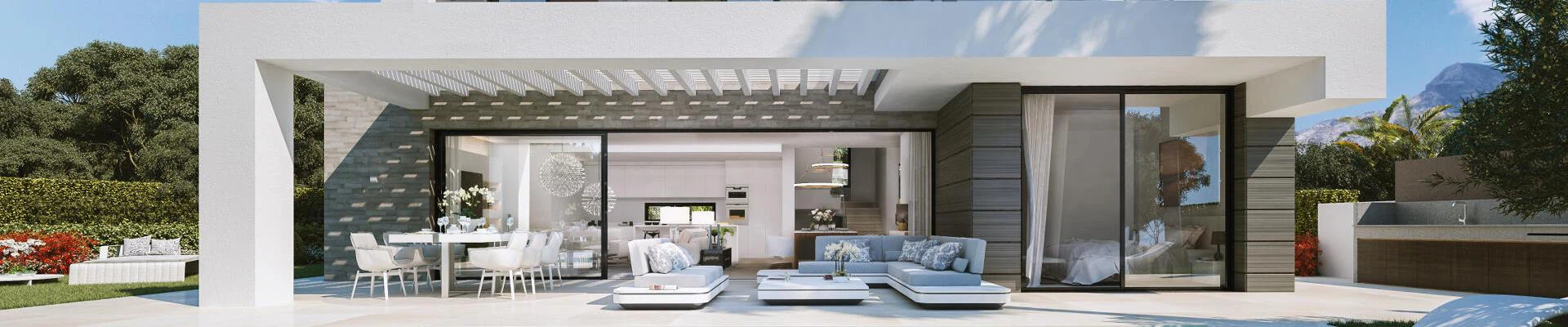
In recent years, façade design across high-end coastal developments has undergone a significant shift. In cities such as Miami, Tampa, and West Palm Beach, developers and architects are increasingly adopting larger glazing spans, slimmer frame profiles, and higher façade transparency in waterfront residences, high-rise apartments, and mixed-use projects, driving growing demand for architectural aluminium systems capable of supporting large-scale coastal façade performance requirements. This design direction has become a defining feature of modern coastal architecture, placing greater performance demands on building envelope systems.
At the same time, growing feedback from construction sites and post-occupancy maintenance has revealed a rising number of envelope-related performance problems in large-opening façade systems. Many of these issues are not caused by extreme hurricane events alone, but by the cumulative effects of daily wind pressure, temperature fluctuation, coastal humidity, and salt-air exposure over time, which is why modern façade strategies increasingly rely on impact window systems to reduce long-term envelope risk in coastal environments. As modern façade systems continue evolving toward larger openings and lighter visual profiles, many conventional envelope assemblies are struggling to adapt to the structural and environmental demands of contemporary coastal construction.
Why Building Envelope Failures Are Increasing in Modern Façade Design
Past coastal projects typically used smaller window openings, thicker frame sections, and dense vertical support layouts, which provided higher structural redundancy and greater installation tolerance. Under these conventional façade configurations, standard envelope systems could relatively easily satisfy wind resistance, waterproofing, and durability requirements.
Modern façade design trends are fundamentally different. Larger glazing spans, slimmer frame profiles, and reduced structural segmentation are placing significantly greater stress on envelope coordination and interface stability. As the visible framing area continues to shrink, structural load transfer and weather sealing performance become increasingly dependent on the precision of window-to-façade integration.
This shift has created a growing number of on-site performance problems during mockup testing and installation. Many façade systems that satisfy theoretical structural calculations begin to show frame deflection, alignment instability, and sealing inconsistency under physical wind pressure and water spray testing. In coastal high-rise projects, these failures frequently trigger reinforcement modifications, anchoring adjustments, and installation rework, directly affecting construction sequencing, approval schedules, and project cost control.
Why Window Systems Have Become Critical to Envelope Performance
In conventional construction workflows, window systems were often treated as secondary façade components installed after the primary structure was completed. However, in modern high-rise envelope design, glazing systems have become one of the most performance-sensitive elements within the entire façade assembly. Large façade openings now represent the primary interface for air movement, moisture transfer, thermal exchange, and wind pressure interaction between interior and exterior environments.
Across many coastal projects, contractors and façade consultants have observed that major performance failures rarely originate from the main curtain wall structure itself. Instead, a large proportion of façade-related problems-including water infiltration, condensation, excessive energy loss, air leakage, and operational instability-occur at window-to-façade interfaces and large-opening glazing systems. Oversized sliding doors and floor-to-ceiling window assemblies place significantly greater pressure on structural coordination, sealing consistency, and long-term envelope stability.
As Florida coastal code requirements continue evolving, window systems are no longer evaluated as isolated architectural components. Modern projects increasingly require façade openings to participate in structural testing, impact resistance validation, water penetration testing, and thermal performance review at much earlier project stages. As a result, window system selection now directly influences façade coordination, approval sequencing, installation efficiency, and long-term building envelope performance.
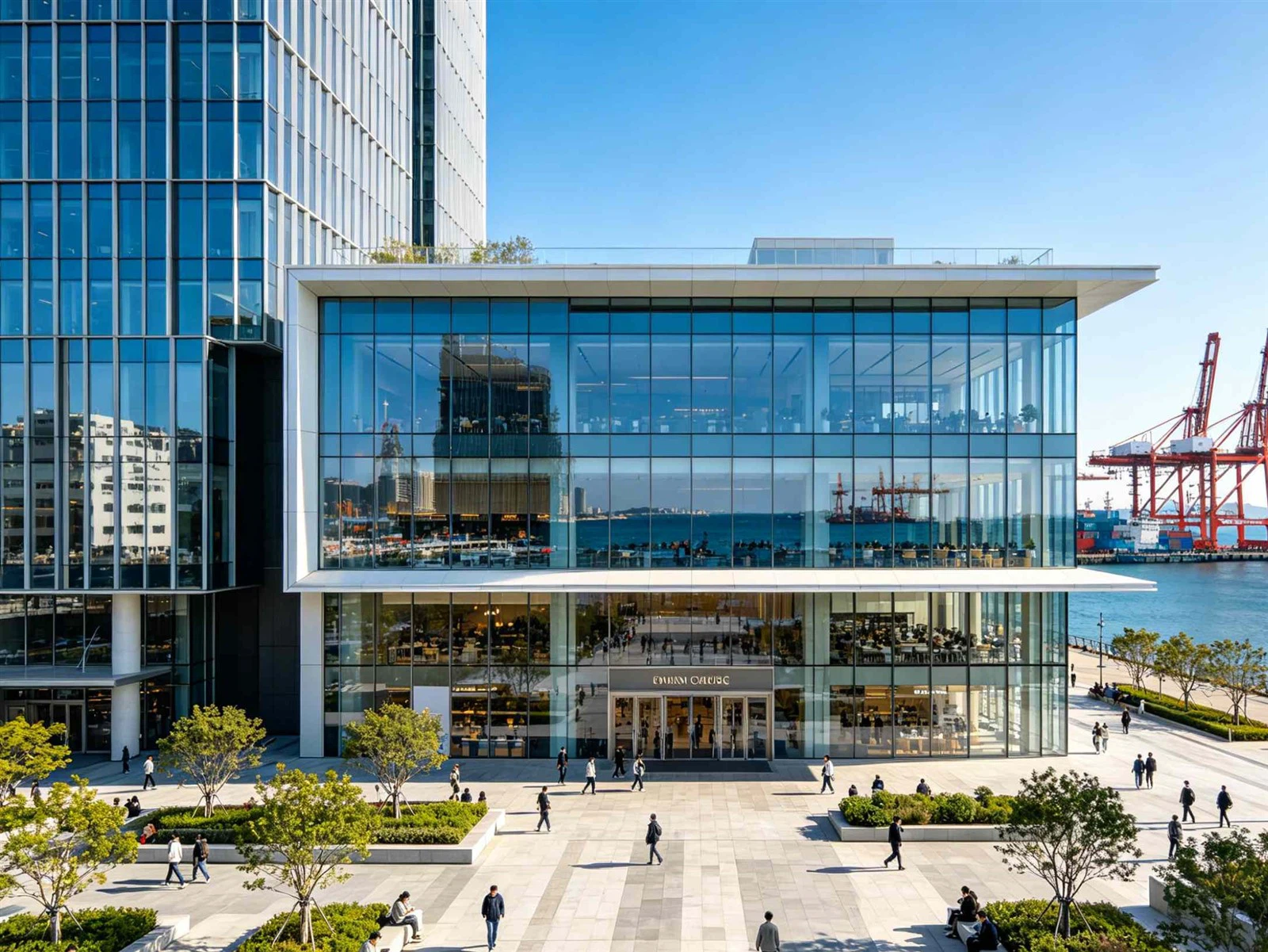
How Architectural Aluminium Systems Solve Structural Coordination Challenges
One of the biggest challenges in high-rise coastal façade construction is not the strength of individual aluminum profiles, but the coordination tolerance between multiple structural and installation interfaces. Real construction environments inevitably involve slab deviation, embed misalignment, curtain wall movement, and localized structural variation during installation. Conventional non-integrated framing assemblies typically provide very limited tolerance accommodation, meaning even small deviations can lead to alignment instability, sealing inconsistency, and abnormal glazing stress.
The primary advantage of architectural aluminum systems lies in their integrated structural coordination capability. Rather than depending on extensive field modification during installation, engineered system-based assemblies are designed with predefined tolerance allowances, interface adjustment zones, reinforcement strategies, and standardized anchoring logic from the early design stage. This allows the façade system to absorb localized structural variation while maintaining installation consistency across large-span openings and complex curtain wall interfaces.
In coastal high-rise applications with oversized glazing and narrow frame configurations, integrated aluminum systems also provide more stable load distribution and deflection control under wind pressure exposure. By improving coordination consistency between structural movement, anchoring stability, and glazing alignment, these systems help reduce the likelihood of mockup failure, late-stage reinforcement modification, and large-scale installation rework during façade execution.
Thermal Bridging Problems in Coastal Façade Applications
Many façade performance problems observed in coastal projects-including condensation, hardware corrosion, seal deterioration, and localized moisture staining-can often be traced back to long-term thermal bridging within the envelope system. Conventional aluminum framing assemblies without thermal breaks provide highly conductive pathways between interior and exterior environments, especially across large floor-to-ceiling glazing systems where continuous metal framing significantly increases heat transfer exposure.
In Florida's high-humidity, air-conditioned coastal environment, persistent temperature differentials between indoor and outdoor conditions frequently lead to condensation forming around frame interfaces, glazing joints, and hardware connection zones. Systems without effective thermal separation often struggle to control surface condensation around façade connection zones under long-term coastal exposure.
Under coastal salt-air exposure, this repeated condensation cycle gradually accelerates corrosion and material degradation across multiple façade components. Over time, these conditions often contribute to progressive deterioration across sealing interfaces, hardware systems, and adjacent façade materials. While these problems rarely appear during initial testing stages, they significantly increase long-term maintenance pressure and operational instability within coastal high-rise envelope systems.
Common Moisture and Leakage Risks at Window-to-Façade Interfaces
In coastal façade systems, moisture-related failures most commonly occur at the transition zones between window assemblies and adjacent façade components rather than through the glazing itself. These interface areas involve coordination between multiple trades, including curtain wall installation, waterproofing, structural framing, and window integration. As façade geometry becomes more complex, interface conditions increasingly become vulnerable to discontinuous sealing, insufficient overlap detailing, drainage interruption, and localized installation inconsistency.
Conventional window assemblies typically provide only basic perimeter sealing without integrated interface transition detailing or coordinated drainage management. In many projects, long-term waterproofing performance depends heavily on field-applied sealants and improvised on-site adjustment during installation. Although these field-applied sealing methods may satisfy short-term testing requirements, long-term interface stability often becomes difficult to maintain under coastal exposure conditions. Over time, localized seal failure can allow moisture to migrate into concealed wall cavities, where trapped water gradually contributes to hidden deterioration within the envelope assembly.
Architectural aluminum systems are increasingly designed with integrated transition profiles, coordinated flashing structures, and standardized interface detailing to improve consistency across façade connections. By incorporating predefined waterproofing logic into the system assembly itself, these engineered façade solutions help improve long-term interface stability and reduce moisture-related performance risk across complex coastal building envelopes.
Architectural Aluminium vs. uPVC in Building Envelope Applications
During early-stage façade planning, developers and consultants often evaluate both uPVC and architectural aluminum systems for coastal residential and mixed-use projects. While uPVC assemblies may offer advantages in initial procurement cost for low-rise applications, performance requirements in high-rise coastal envelope systems introduce significantly different structural and environmental demands.
Compared with architectural aluminium systems, uPVC systems generally provide lower structural stiffness across large-span glazing configurations. In oversized openings exposed to repeated wind pressure loading, long-term profile movement and localized frame deformation can gradually affect glazing alignment, sealing consistency, and operational stability. As façade openings continue expanding in modern coastal architecture, these movement-related performance limitations become increasingly difficult to manage within high-rise envelope applications.
Long-term environmental exposure also affects the two systems differently. Coastal humidity, ultraviolet exposure, salt-air corrosion, and continuous thermal cycling place persistent stress on façade materials over extended operational periods. In many coastal projects, envelope systems must maintain not only structural performance, but also long-term dimensional stability, interface coordination, and maintenance consistency under changing environmental conditions.
Architectural aluminum systems are increasingly used in large-scale coastal façade applications because integrated aluminum assemblies provide greater structural stability, wider span capability, and more adaptable coordination across complex envelope interfaces. Combined with engineered coating systems and system-based installation logic, these assemblies are generally better suited for projects requiring large openings, narrow frame profiles, and long-term façade durability within coastal high-rise environments.
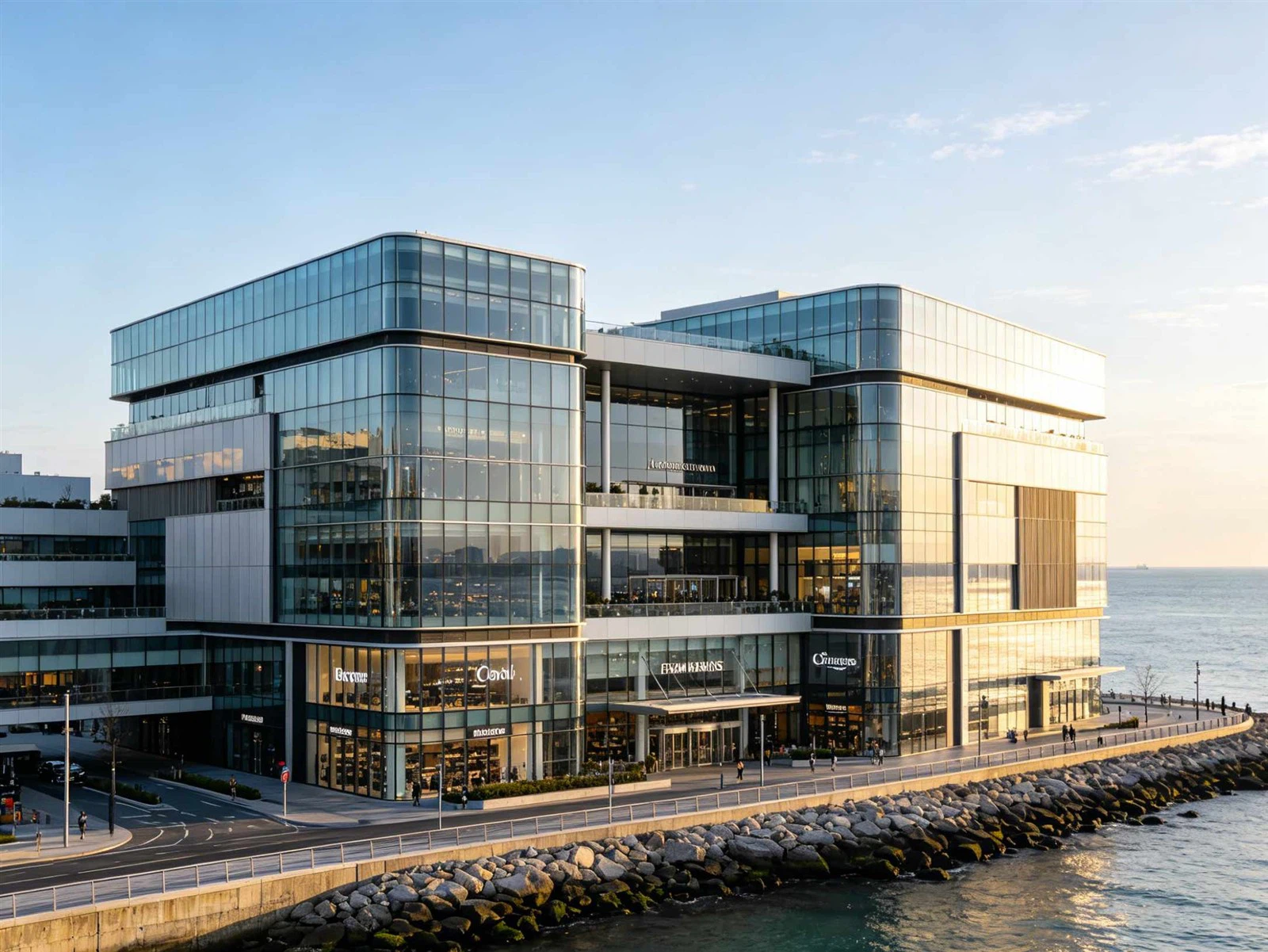
Lifecycle Durability Challenges in Coastal High-Rise Projects
Compared with typical inland buildings, coastal high-rise façade systems operate under significantly harsher long-term environmental conditions. Continuous salt-air exposure, cyclic wind loading, ultraviolet radiation, and repeated temperature fluctuation collectively place persistent stress on structural connections, sealing interfaces, and façade materials throughout the operational lifecycle of the building.
Many early coastal projects initially satisfied structural and waterproofing requirements during completion and inspection stages, yet began experiencing progressive deterioration several years after occupancy. Common long-term problems include localized profile oxidation, hardware corrosion, seal shrinkage, anchoring instability, and gradual accumulation of façade movement over time. As these conditions develop, envelope systems often become increasingly vulnerable to condensation, concealed moisture penetration, air leakage, and localized interior deterioration.
These lifecycle-related failures are rarely caused by isolated defects alone. In many cases, they result from envelope systems that were not originally designed to accommodate long-term environmental movement, thermal cycling, and coastal corrosion exposure simultaneously across large-scale façade assemblies.
For this reason, modern architectural aluminum systems increasingly incorporate integrated durability strategies such as corrosion-resistant material selection, coordinated reinforcement layouts, thermal separation structures, isolated hardware interfaces, and weather-resistant surface finishing systems. Within coastal high-rise applications, these system-level durability considerations play an important role in improving long-term façade stability and reducing future maintenance exposure across the building envelope lifecycle. In large-scale coastal developments, unpredictable façade maintenance exposure often becomes a greater long-term operational risk than the initial procurement cost of the envelope system itself.
How System Coordination Reduces Long-Term Façade Risks
In many modern coastal projects, long-term façade failures are rarely caused by isolated material defects alone. More commonly, they emerge from fragmented coordination between structural framing, window systems, waterproofing, thermal control, anchoring strategy, and façade interface detailing throughout the project delivery process. When these envelope components are designed and executed independently, small coordination inconsistencies gradually accumulate into larger performance problems over time.
The primary advantage of architectural aluminium systems lies in their ability to integrate multiple façade functions within a coordinated system framework. Structural load transfer, movement accommodation, waterproofing logic, thermal separation, hardware integration, and interface detailing are incorporated into the façade assembly from the early design stage rather than addressed through isolated field adjustments during installation. This system-based coordination approach helps improve consistency across mockup testing, façade execution, and long-term operational performance.
For developers, façade consultants, and general contractors, coordinated envelope systems increasingly represent a long-term project risk management strategy rather than an isolated material selection decision.
As coastal façade design continues evolving toward larger glazing spans, slimmer framing systems, and higher performance expectations, long-term envelope reliability increasingly depends on whether structural coordination, thermal control, waterproofing logic, and movement accommodation are integrated as a unified system strategy from the earliest design stages, which is closely related to aluminum hurricane windows wind load performance in coastal building systems.