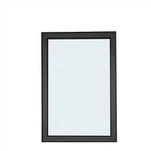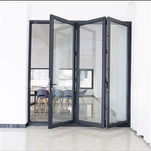

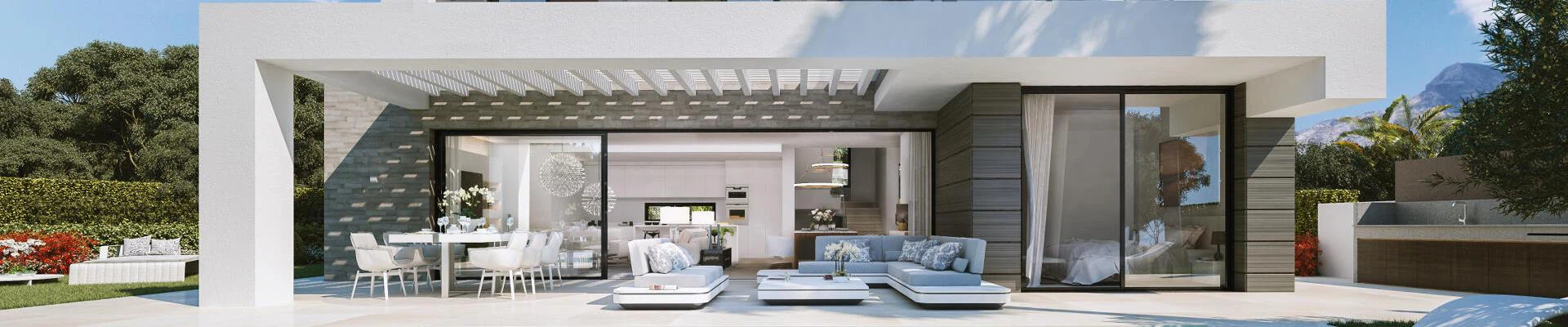
Across tropical residential towers, coastal mixed-use developments, and high-humidity urban projects, aluminium door and window frame failure has become one of the most recurring long-term façade issues observed by contractors and property management teams. Unlike dry inland construction environments where bare aluminium frames maintain stable appearances for years, high-humidity and salt-laden coastal climates create continuous micro-corrosion, surface degradation, and hidden frame damage that gradually ruins façade integrity.
On dozens of completed waterfront projects in Florida and tropical coastal zones, construction teams have recorded consistent post-occupancy problems: bare aluminium frames develop white powdery oxidation, localized rust spots at hardware mounting holes, discoloration along water pooling grooves, and uneven surface fading within just two to four years after handover. These field-proven defects are not caused by poor installation workmanship alone. They stem from the inherent weakness of uncoated aluminium when exposed to long-term high-moisture cycling. In modern high-spec residential and commercial developments, powder coated aluminium windows and doors for coastal projects have become the standard solution to eliminate these real-world high-humidity façade failures and extend the full lifecycle stability of building envelope systems.
Why Powder Coated Aluminium Doors and Windows Perform Better in High-Humidity Environments
High-humidity and coastal environments significantly accelerate aluminium frame deterioration when no protective surface treatment is applied. Most project owners and façade consultants no longer evaluate window systems based solely on structural strength or water tightness during acceptance testing. Instead, they prioritize long-term anti-corrosion stability and appearance consistency under continuous humid exposure-two critical indicators that determine post-handover maintenance costs and building façade asset value.
Field data from coastal high-rise projects shows that bare aluminium frames begin to show visible aging signs after 2–3 years of service, including surface oxidation, groove dirt accumulation, and micro-corrosion at cutting joints and anchor points. In contrast, powder coated aluminium windows and doors on adjacent buildings with the same climate conditions maintain uniform surface color, smooth finish, and zero powdery corrosion after 8–10 years of operation. The tightly bonded powder coating forms a full-coverage protective layer that completely isolates the aluminium substrate from humid air, condensed moisture, and airborne salt particles.
What makes powder coated systems more practical for high-humidity projects is their consistent performance in fluctuating humid environments. Tropical and coastal areas feature frequent alternating cycles of high temperature, high humidity, and sudden rainfall. Ordinary spray-painted frames often suffer from coating blistering, peeling, and water penetration after repeated wet-dry cycling, while high-quality powder coated aluminium frames resist coating delamination and substrate corrosion even under long-term continuous moisture erosion, perfectly matching the harsh operational requirements of humid-region façade systems.
Why Humid and Coastal Climates Accelerate Aluminium Frame Degradation
The combination of salt-laden air, constant moisture, and temperature cycling creates continuous corrosion pressure on exposed aluminium window frame systems. Unlike steel rusting that appears rapidly, aluminium corrosion in humid climates develops gradually and covertly, leading to batch-scale façade problems after project delivery that are difficult and costly to repair.
On-site inspections of aging coastal residential projects summarize three core failure modes of bare aluminium frames. First, electrochemical oxidation occurs when high humidity and salt mist form a conductive electrolyte film on the frame surface. Bare aluminium reacts continuously with moisture and salt, producing white powdery alumina deposits that accumulate in frame grooves, joint gaps, and hardware mounting gaps. This not only destroys the façade appearance but also blocks drainage channels and causes hidden water stagnation inside frame cavities.
Second, localized pitting corrosion frequently appears at vulnerable construction details. Cutting openings, drill holes for anchors, and section splicing joints lose the natural oxide film protection during processing. In high-humidity environments, these exposed metal positions become corrosion hotspots, forming irregular rust spots and pitting defects that gradually expand inward, weakening local structural rigidity of the frames.
Third, cyclic moisture aging accelerates overall system degradation. Coastal areas maintain high relative humidity all year round. Bare aluminium frames absorb and release moisture repeatedly with temperature changes, causing continuous micro-expansion and contraction of the substrate. Over time, this leads to loose hardware fit, deformed sealing grooves, and uneven sealant compression, indirectly triggering air infiltration and hidden water leakage issues that do not appear during initial project acceptance.
How Powder Coating Prevents Corrosion in Aluminium Window Frame Systems
Powder coating forms a dense protective barrier that effectively isolates aluminium frames from moisture, oxygen, and salt particles. Different from traditional liquid paint that forms thin, uneven coverage with tiny pinholes, electrostatic powder coating creates a dense, seamless, high-adhesion protective film that fully wraps the aluminium profile surface used in aluminium window systems, including grooves, drill holes, and splicing edges-all vulnerable corrosion points that are easily missed by conventional painting processes.
In practical coastal project applications, this seamless coating structure fundamentally blocks the contact between the aluminium substrate and external humid, salty air. When rainwater and salt mist attach to the frame surface, the inert powder coating prevents electrochemical reactions from occurring. On storm-prone tropical projects, this performance advantage is particularly prominent for powder coated aluminium doors and windows systems. After heavy rain and sea wind erosion, powder coated frames do not retain moisture residue or salt crystallization, and no subsequent oxidation spreading occurs.
Another key field advantage is the coating's crack and peel resistance under temperature cycling. High-quality powder coatings maintain stable toughness in high-temperature, high-humidity alternating environments. They do not crack or fall off when the aluminium substrate expands and contracts slightly, ensuring long-term continuous protection for the frame. Many early coastal renovation projects confirm that partial coating peeling on ordinary painted frames often becomes the starting point of large-area substrate corrosion, while powder coated aluminium frames avoid this progressive failure risk completely.
How Moisture and Condensation Affect Aluminium Door and Window Frames
Condensation inside aluminium window frames is one of the most overlooked causes of long-term structural degradation in humid climates. In tropical and coastal high-rise residential projects, indoor-outdoor temperature differences generate frequent condensation on window frames and glass edges. For uncoated or poorly coated aluminium frames, condensed moisture accumulates in internal grooves and drainage cavities, and the humid microenvironment inside the frame accelerates internal substrate corrosion that cannot be observed from the outside.
Powder coated aluminium window systems optimize moisture management from two practical project dimensions. First, the smooth, dense coating surface effectively reduces moisture adhesion. Condensed water droplets and rainwater form uniform water films and drain away quickly along preset drainage grooves, with no residual moisture or salt sediment retention. This avoids the long-term damp stagnation that corrodes bare aluminium substrates.
Second, the integral coating protection eliminates internal and external differential corrosion. Many project maintenance records show that uncoated frame inner walls corrode faster than outer surfaces, because internal cavity moisture cannot evaporate and forms a long-term humid closed environment. Powder coating achieves full internal and external coverage of profiles during factory processing, ensuring consistent anti-moisture performance for both visible exterior surfaces and hidden internal cavity structures. This greatly reduces hidden condensation corrosion risks that plague conventional window systems in high-humidity regions.

Why Powder Coated Aluminium Frames Offer Lower Maintenance Costs in Coastal Projects
Maintenance cost differences between bare aluminium frames and powder coated systems become increasingly significant over a building's lifecycle in coastal regions. Most developers and property teams gradually realize that low-cost bare aluminium frames bring extremely high post-operation hidden expenses, including regular rust removal, surface repainting, partial frame replacement, and façade overall renovation within 5–6 years of delivery.
Field comparison of adjacent coastal buildings fully verifies the durability gap. Residential buildings using bare or ordinary painted aluminium frames require comprehensive façade maintenance every 2–3 years to deal with oxidation discoloration and local corrosion. In contrast, powder coated aluminium window and door frames maintain stable color consistency and complete anti-corrosion performance for more than 10 years in high-humidity coastal environments, with almost no routine maintenance required.
In addition to appearance retention, powder coated systems also protect supporting hardware and sealing structures indirectly. Long-term frame corrosion of bare aluminium will cause hardware mounting holes to rust and expand, leading to loose door and window sashes, poor closing tightness, and accelerated aging of rubber seals. Powder coated frames stabilize the overall structural environment of the window system, avoiding linkage failures caused by substrate corrosion, effectively reducing resident complaints and repeated maintenance work orders for property management teams.
Where Powder Coated Aluminium Doors and Windows Are Most Widely Used in Coastal and Tropical Projects
Powder coated aluminium windows and doors are widely used in coastal residential towers, commercial complexes, and tropical developments due to their long-term durability. They have become the most cost-effective standard configuration for all high-humidity and coastal building types, solving the universal façade durability pain points of humid-region projects.
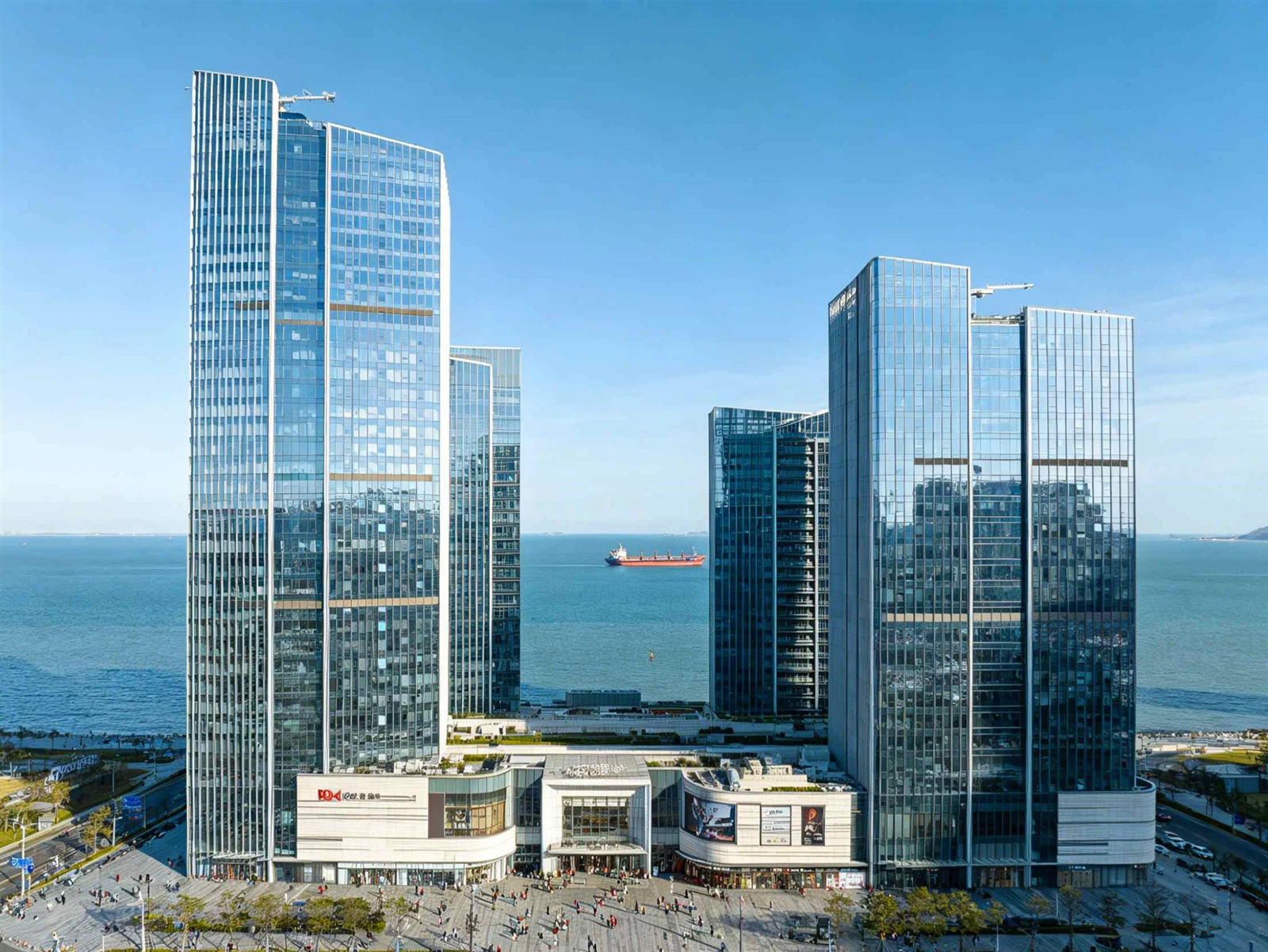
For waterfront high-rise residential towers and coastal condominium projects, where buildings are exposed to year-round sea wind and salt mist erosion, powder coated aluminium systems ensure long-term façade uniformity and avoid batch aging defects that affect community appearance and property value. For tropical mixed-use commercial buildings with large-area door and window openings, the excellent moisture and corrosion resistance of powder coatings eliminates frequent maintenance interference with commercial operation.
For suburban resort projects and humid subtropical urban residential communities with high annual rainfall and long humid periods, powder coated aluminium windows and doors adapt to frequent wet-dry cycling, preventing frame oxidation and discoloration caused by seasonal climate changes. In all actual project scenarios, compared with bare aluminium and ordinary painted aluminium systems, powder coated aluminium door and window systems combined with appropriate glass selection for coastal projects better match the harsh long-term operating conditions of high-humidity environments, achieving a balanced output of aesthetic effect, structural stability, and full-cycle low maintenance.