

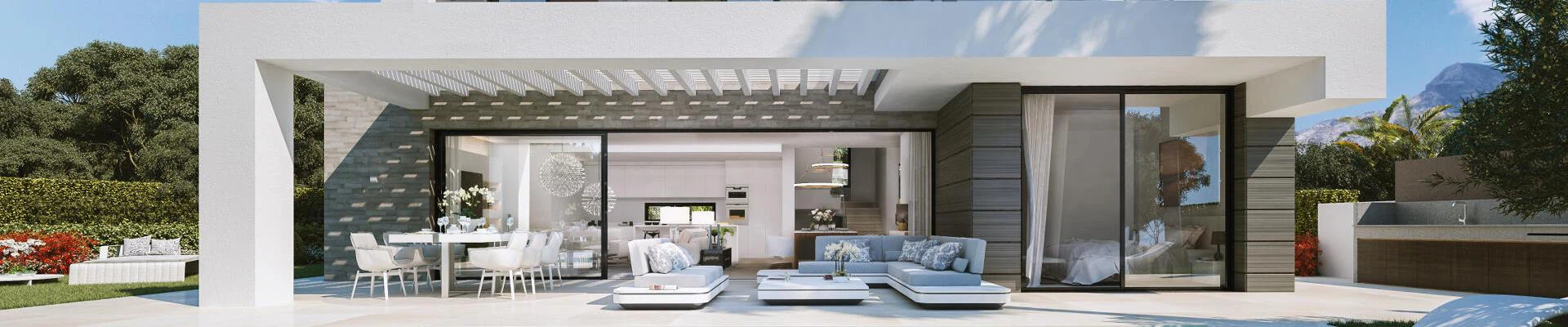
Coastal and hurricane-prone regions impose extreme structural demands on building envelopes, where ordinary residential windows often fail to withstand cyclic storms, high wind pressure, and wind-borne debris impact. Unlike standard window products, impact-resistant window systems are designed as integrated structural systems with defined load paths and impact-resistant configurations. their performance does not depend on a single reinforced component, but on scientific structural load transfer - a professional engineering mechanism that disperses, absorbs, and transmits external wind loads to the main building structure.Understanding this working principle is essential for developers, architects, and specifiers to select qualified impact window systems, avoid structural failure risks, and ensure long-term building safety in coastal development risk reduction.
What Are High Wind Resistant Windows?
High-performance window systems are impact-rated and code-compliant fenestration systems designed to resist extreme wind loads and debris impact in coastal and hurricane-prone regions. Different from ordinary aluminum windows that only meet basic sealing and daylighting functions, these professional impact windows take structural mechanical performance as the core design standard, adapting to harsh dynamic wind environments that conventional windows cannot resist.
The essential difference between standard windows and high wind resistant systems lies in structural systematicity. Ordinary windows are designed for static daily environments with low wind pressure tolerance, lacking effective load transfer paths and impact resistance structures. Under strong storms, they are prone to frame bending, glass bursting, and overall shedding. In contrast, hurricane-resistant windows integrate reinforced frames, laminated safety glass, high-strength locking hardware, and standardized anchoring systems to form an integral force-bearing structure. They can steadily resist positive and negative wind pressure, absorb impact kinetic energy, and transfer residual loads to the building wall, maintaining complete envelope integrity during extreme weather.
For hurricane-prone regions including Florida, the Caribbean, and Southeast coastal zones, wind-rated window systems are no longer optional building upgrades but mandatory structural safety components. They prevent envelope breach, avoid progressive building damage caused by wind and water penetration, and reduce property loss and safety hazards during storm seasons.

Basic Structural Components of Impact Window Systems
The excellent load transfer and wind resistance performance of storm-resistant glazing systems stems from the organic collaboration of multiple structural components. Each component is designed for load bearing, stress distribution, and structural load transfer, forming a closed-loop structural protection system.
First, reinforced aluminum frame structure. The main frame and sash profiles adopt thickened high-strength aluminum alloy materials, with optimized cavity structures and integrated corner reinforcement. Compared with ordinary profiles, this structure has higher rigidity and bending resistance, avoiding frame deformation under high wind pressure and providing stable bearing support for the entire window system.
Second, laminated impact glass system. Composed of double-layer tempered glass and high-performance PVB or SGP interlayer, this glass structure is the core energy-absorbing component of impact windows. The tough interlayer can bond broken glass fragments tightly, absorb wind impact energy, and avoid glass penetration and shedding. SGP interlayer, in particular, provides higher structural strength and rigidity, maintaining integral glass force-bearing performance after impact.
Third, high-strength hardware and locking mechanisms. Marine-grade stainless steel hinges, multi-point locking systems, and anti-loosening connecting accessories ensure tight and firm closing of window sashes under extreme wind pressure. Multiple locking points form a stable fixed structure, preventing sash vibration, displacement, and gap leakage caused by wind load.
Fourth, system-level integration of frame, glazing, hardware, sealing, and anchoring systems. Professional impact-resistant window systems unify frames, glass, hardware, sealing strips, and anchoring structures into a complete force-bearing system. All components coordinate with each other in stress bearing and transmission, avoiding local stress concentration caused by mismatched component performance, and realizing overall structural stability.
Structural Load Transfer Mechanism in High Wind Resistant Window Systems
Structural load transfer is a key engineering mechanism in hurricane-rated window systems and the primary reason these systems can resist extreme wind loads without structural failure. Simply put, load transfer is a complete and orderly force transmission path built into the window system, which guides external wind pressure and impact forces to transfer layer by layer to the building main structure, avoiding local overload damage.
The load path typically follows a defined structural sequence: wind pressure → laminated glass → aluminum frame → anchoring system → building structure. When strong wind acts on the window surface, the glass panel first bears the uniform wind pressure and instantaneous impact force. Relying on the toughness of the interlayer and the rigidity of the tempered glass, the glass disperses the concentrated local force to the surrounding frame uniformly, preventing localized stress concentration and glass failure.
After receiving the force transmitted by the glass, the reinforced aluminum frame further distributes the wind load to the surrounding frame structure through its integral rigid structure. The corner reinforcement design eliminates stress concentration at frame joints and ensures uniform force bearing of the entire frame. Subsequently, the frame transmits all bearing loads to the embedded anchoring bolts and fixed supports, and finally transfers all wind loads to the building concrete and wall structure with stronger bearing capacity.
This layered transfer mechanism realizes the effective diversion of wind loads. The window system no longer bears external forces independently but shares the load with the building main body, greatly improving the overall wind resistance limit and structural safety of the envelope.
Wind Pressure Effects on High Wind Resistant Windows
In high-wind and hurricane environments, wind pressure acts as a dynamic load on window surfaces, but produces complex dynamic mechanical effects, which test the structural stability and load transfer capability of hurricane-resistant windows in an all-round way.
Positive wind pressure is the outward pushing force generated by oncoming strong winds on the window surface, which easily causes the window sash to bulge outward and produces tensile stress on the frame and anchoring structure. Negative wind pressure, also known as suction force, often appears on the leeward side of buildings. The instantaneous air pressure difference pulls the window inward, causing compression and separation stress on the glass and frame connection parts. Alternating positive and negative pressure is the main cause of frame fatigue deformation and seal failure in ordinary windows during long-term storms.
In addition, hurricane weather brings frequent dynamic pressure cycles and instantaneous impact loads. Wind speed changes rapidly, and the wind load on the window surface fluctuates violently, forming repeated cyclic stress on the window system. Wind-borne debris such as gravel, branches, and building fragments will produce instantaneous high-intensity impact force on the window surface. High-performance window systems rely on efficient load transfer and energy absorption mechanisms to cope with these complex wind pressure effects, stabilize structural stress, and avoid instantaneous collapse or cumulative fatigue damage.
How Impact Window Systems Distribute and Transfer Wind Forces
Based on the complete load transfer path, high wind resistant window systems achieve both force distribution and energy dissipation, improving resistance to extreme wind and impact loads.
First, uniform force distribution by glass panels. The integral laminated glass structure takes the lead in bearing wind loads, dispersing concentrated impact force into uniform surface stress through the flexible interlayer and rigid glass panel, avoiding local stress overload. This greatly reduces the instantaneous pressure on a single point of the frame and improves the overall force uniformity.
Second, frame structural redistribution. The high-rigidity aluminum frame forms a closed force-bearing ring. After receiving the transmitted wind force, the frame redistributes the local stress to the entire frame body through its structural rigidity, ensuring that each section of the frame bears force evenly without partial overloading.
Third, layered energy absorption and load transmission. The PVB/SGP interlayer inside the glass can absorb most of the impact kinetic energy through micro-deformation and toughness traction, reducing the peak load transmitted to the frame. The remaining static wind load is steadily transmitted to the building structure through the anchoring system. The entire process realizes step-by-step energy dissipation and orderly force transmission, maximizing the utilization rate of structural performance.
Key Engineering Parameters for High Wind Resistant Window Performance
The load transfer efficiency and wind resistance level of impact-resistant window systems depend on multiple core engineering parameters, which are key indicators for project selection and factory customization.
Design Pressure (DP rating) is the most intuitive parameter reflecting wind resistance performance, representing the maximum cyclic wind pressure that the window system can withstand stably. High-rise and shoreline high-risk areas require higher DP values to match extreme wind load demands, ensuring the system maintains performance under design wind pressure.
Frame reinforcement design directly determines the frame's force-bearing and transmission capacity. Profile wall thickness, corner connection process, internal reinforcement ribs, and mullion structure design all affect the uniformity of frame stress and the efficiency of load transmission. Reasonable structural reinforcement can avoid frame deformation and ensure unobstructed load transfer paths.
Glass thickness and interlayer selection determine energy absorption and impact resistance. Thicker tempered glass and high-strength SGP interlayers provide stronger structural integrity, effectively resisting debris impact and maintaining stable force transmission between glass and frame.
Anchoring and installation systems are the final guarantee of load transfer. The specification of anchor bolts, embedded parts, and fixed spacing directly affects the stability of force transmission to the building wall. Standardized installation ensures that the entire load path is closed and effective, avoiding overall system failure caused by loose anchoring.
Common Failure Modes of High Wind Resistant Window Systems
Most window failures in high-wind environments are essentially caused by blocked load transfer paths and uncoordinated structural force bearing. Summarizing common failure modes helps avoid design and specification errors in engineering projects.
Frame deformation or failure is mainly caused by insufficient frame rigidity and unreasonable reinforcement design. When the frame cannot bear and disperse wind loads normally, bending deformation will occur, leading to glass extrusion damage and fractured load transfer paths.
Glass cracking or delamination failure occurs when the interlayer energy absorption capacity is insufficient or the glass configuration does not match the wind load grade. Under strong impact and cyclic pressure, the glass cracks, and the interlayer peels off, losing the basic ability of force dispersion and impact resistance.
Seal system failure is often overlooked in engineering. Aging and cracking of sealing strips will cause unbalanced local stress of the window system, leading to concentrated wind pressure at gaps, which gradually destroys the overall structural stability and causes water and air leakage.
Anchorage pull-out failure is one of the most critical system-level failure modes Unqualified anchoring specifications and insufficient wall bearing capacity will cause the entire window system to separate from the building wall under wind load, which may lead to full envelope failure.
Why high-load window systems Are Critical for Building Structural Safety
High-performance window systems are not only exterior decoration and ventilation components but also important structural safety barriers for building envelopes. Their complete load transfer system effectively maintains the integrity of building enclosure structures in extreme weather.
In hurricane storms, once ordinary windows fail and breach, strong wind and rainwater will pour into the building interior, causing instantaneous pressure rise inside the house, forming internal and external pressure superposition, and easily triggering wall cracking, roof overturning, and overall building structural damage. Hurricane-resistant windows rely on stable load transfer and impact resistance to maintain envelope integrity, isolate external wind pressure, and avoid progressive structural damage to buildings.
At the same time, excellent wind resistance and structural stability greatly reduce post-storm maintenance costs and building safety risks, stabilize long-term building asset value, and help coastal projects meet local building code compliance and insurance assessment standards.
Typical Applications in Hurricane-Prone Regions
High wind resistant window systems with complete structural load transfer capabilities are widely used in various high-risk hurricane and coastal wind zone projects, covering multiple building types and regional scenarios.
In coastal residential houses and villas, they effectively protect low-rise buildings from storm impact, improving residential safety and living comfort. In high-rise apartment buildings and waterfront towers, high-altitude wind pressure is more severe, and professional impact-resistant window systems cope with super-strong wind loads through precise structural load transfer design to ensure long-term stable operation of high-rise envelopes.
In commercial complexes, resort buildings, and public facilities, standardized impact window systems meet strict code requirements and high-standard facade aesthetic needs, balancing structural safety and architectural design. They are the preferred structural solutions for coastal construction projects in Florida, the Caribbean, and other global hurricane-prone regions.

Conclusion: Structural Load Transfer as the Core Principle of Window Engineering Design
The excellent performance of high wind resistant windows in extreme wind environments is never the result of single component superposition, but the systematic advantage brought by scientific structural load transfer design. A complete and unobstructed load path from glass and frame to anchoring and building structure realizes effective dispersion, absorption, and transmission of wind loads and impact forces, fundamentally solving various failure problems of traditional windows in high-wind conditions.
For modern coastal building engineering, structural load transfer is a fundamental principle in the design of high-performance window systems. Only by focusing on system-level structural coordination rather than single material upgrade can we truly create safe, durable, and code-compliant impact window systems, based on window frame design specifications, provide solid structural protection for hurricane-prone region buildings, and realize long-term stability and value preservation of coastal construction projects.


