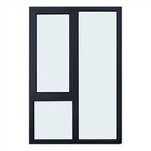

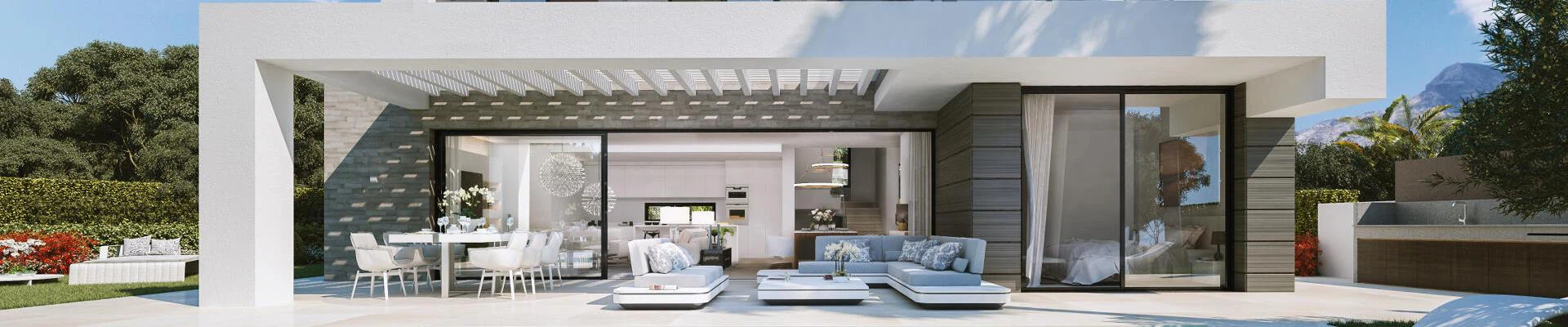
Coastal residential development stands out as one of the most high-reward yet high-risk segments in the modern construction industry. Waterfront properties maintain premium market value and strong buyer demand, but they are continuously exposed to harsh marine environmental conditions that inland buildings never encounter. For developers, general contractors, and project managers, building envelope and façade design is no longer a simple aesthetic or thermal consideration-it is a core risk management discipline. Poor façade planning and improper window selection often lead to costly construction delays, post-handover failures, safety liabilities, and devalued assets. Understanding how to mitigate coastal construction risks starts with specifying the coastal aluminum window solutions and implementing performance-driven design strategies that align with long-term project safety, compliance, and profitability.
Why Coastal Facade Design Creates Unique Development Risks
Coastal building sites introduce a unique combination of environmental stressors that turn standard façade design practices into potential project vulnerabilities. Unlike conventional residential projects, coastal developments operate under persistent exposure to high-velocity hurricane winds, cyclic storm pressure, airborne salt corrosion, elevated humidity, and intense UV radiation. These overlapping natural forces gradually degrade exterior building components, especially windows, seals, and exterior cladding, creating hidden failures that may not appear during project inspection but escalate rapidly within the first few years of occupancy.
For developers, façade-related risks directly translate to three critical project losses: budget overruns, schedule delays, and legal liability. Low-rated windows and substandard sealing systems commonly result in water infiltration, interior water damage, mold growth, and thermal leakage. Defective building envelopes trigger failed municipal inspections, force emergency rework before project closeout, and create costly warranty claims after handover. In severe storm events, structural window failure can lead to structural compromise, property damage, and even personal injury, exposing developers to significant legal and reputational risks. In premium coastal real estate markets, consistent façade performance and storm resilience are essential to protecting project brand reputation and long-term asset value.
What Defines the Best Windows for Coastal Homes?
Selecting the high-performance coastal windows is the single most effective risk-mitigation decision in coastal façade design. Unlike generic residential windows designed for mild inland climates, coastal-rated window systems are engineered to withstand extreme weather cycling and long-term marine degradation. Developers must evaluate five non-negotiable performance criteria to eliminate façade vulnerabilities and ensure code-compliant, durable building envelopes.
First, superior structural strength and wind resistance. Coastal windows must maintain structural integrity under high design pressure (DP) ratings, resisting frame bending, sash deflection, and hardware failure during hurricane-force winds and cyclic pressure fluctuations. Second, reliable water infiltration protection, achieved through multi-chamber drainage systems, multi-layer weather sealing, and precision assembly that prevents stormwater penetration even during sustained heavy rainfall and wind-driven rain.
Third, certified impact resistance. Top coastal window systems pass large missile impact tests required for hurricane zones, preventing glass penetration and façade breach from wind-borne debris. Fourth, professional corrosion resistance, utilizing anti-corrosive frame finishes and marine-grade hardware to combat salt-laden air oxidation and material degradation. Fifth, consistent energy efficiency, with thermally broken frames and insulated glazing that stabilize indoor temperatures, reduce HVAC load, and prevent condensation damage in humid coastal air. Together, these five attributes define high-performance coastal window systems that minimize developer risk. In hurricane-prone regions such as Florida, the coastal window systems often carry Miami-Dade NOA approvals and comply with recognized AAMA performance standards, providing additional assurance of structural reliability and code compliance.

How High-Performance Aluminum Windows Mitigate Structural and Weather Risks
High-performance aluminum window systems are widely recognized as one of the best window solutions for coastal homes, offering engineered structural stability that directly addresses the most common façade failure modes in waterfront developments. Unlike uPVC or timber alternatives that soften, warp, or rot in coastal conditions, reinforced aluminum framing delivers consistent structural performance under extreme weather stress.
Design Pressure (DP) ratings serve as the core technical benchmark for matching window strength to project wind zone requirements. Professional aluminum window manufacturers customize frame profile thickness, mullion reinforcement, and structural bracing to meet specific DP grades based on building height, shoreline proximity, and regional wind code classifications. This targeted engineering eliminates structural overdesign waste and prevents under-specification failures that trigger inspection rejection.
Impact-resistant glazing systems further enhance storm resilience. SGP and upgraded PVB laminated glass configurations maintain structural integrity even after debris impact, preventing façade breaches that allow wind and water to penetrate the building interior. Complemented by advanced thermal break technology, thermally broken aluminum windows eliminate thermal bridging, reduce heat transfer, and prevent condensation-related frame corrosion and interior moisture damage.
Experienced developers always match window specifications to site exposure levels: high-rise windward elevations receive fully reinforced high-DP impact systems, while sheltered building zones adopt optimized configurations to balance safety, performance, and project budget. This precision engineering approach eliminates blanket over-specification and risky under-specification, forming a scientific structural risk control system.
Controlling Corrosion and Material Degradation in Coastal Envelopes
Salt-air corrosion is the most persistent and overlooked long-term risk for coastal building façades. Ocean breeze carries microscopic salt particles that adhere to window frames, hardware joints, and sealing gaps, triggering electrochemical oxidation that gradually erodes unprotected building materials. Over time, untreated corrosion causes frame pitting, coating peeling, hardware rust jamming, sealant detachment, and irreversible façade degradation.
Premium coastal aluminum windows featuring marine-grade aluminum profiles solve this challenge through professional surface treatment systems. High-quality powder coating and industrial anodized finishes form a dense protective barrier on aluminum profiles, isolating the substrate from salt fog, UV radiation, and humid air. These advanced finishing technologies deliver far superior anti-corrosion performance compared to ordinary spray coatings, maintaining stable appearance and structural performance for decades. Marine-grade aluminum profiles combined with high-performance powder coating systems provide superior resistance to salt-air corrosion, helping maintain long-term structural integrity and aesthetic appearance.
Hardware protection is equally critical for long-term durability. Top coastal window solutions adopt 316 marine-grade stainless steel hinges, locks, and operating hardware, which resists salt corrosion and maintains smooth functional operation throughout the product lifespan. Complemented by weather-resistant EPDM gaskets and chemical-resistant sealants, the full window system avoids common aging failures such as seal shrinkage, cracking, and water seepage. Strict material selection and surface protection standards effectively control coastal material degradation and reduce long-term façade maintenance risks.
Evaluating Lifecycle Cost Risk: Upfront Investment vs. Long-Term Maintenance Burden
Many developers face cost-risk dilemmas in coastal window procurement: choosing low-cost generic windows reduces initial investment but generates severe long-term financial losses compared to aluminum window systems. Low-performance window systems with thin profiles, ordinary glass, inferior hardware, and basic finishes appear budget-friendly upfront but carry enormous hidden risks, including frequent water leakage, wind damage failures, hardware replacement, and continuous façade maintenance.
Developers seeking the best windows for coastal homes require decades of stable asset performance, and lifecycle cost analysis proves that high-performance aluminum windows deliver far better long-term value. Certified coastal window systems greatly reduce maintenance frequency, eliminate seasonal repair needs, and avoid large-scale window replacement within the building service life. By preventing water damage, mold remediation, and storm-related reconstruction, premium windows stabilize building operating costs and eliminate unexpected project expenditures.
Additionally, reliable manufacturer warranties and professional after-sales support further reduce operational risks. Developers can avoid post-handover disputes, community complaints, and asset depreciation caused by premature window failure. Balancing reasonable upfront investment with minimal long-term maintenance burden is the core principle of modern coastal project risk management, protecting the long-term market value of waterfront residential assets.
Developer Risk Management Strategy: How to Specify and Source Coastal Windows
Effective façade risk management relies on standardized procurement and specification strategies, rather than passive post-construction remediation. Developers must establish a complete supplier evaluation system to screen qualified coastal window manufacturers and avoid unqualified products that threaten project quality.
First, verify full performance certifications and test reports. Developers should prioritize manufacturers capable of providing NFRC-certified thermal performance data, Miami-Dade NOA approvals, and comprehensive testing documentation covering wind load, water penetration, impact resistance, and energy performance requirements. Qualified coastal window solutions must hold valid AAMA, NFRC, and Miami-Dade NOA certifications, with complete wind load, water penetration, impact resistance, and energy performance test documents that meet local building code requirements. Developers should reject products with generic or expired certifications to prevent inspection failure.
Second, evaluate supplier coastal project experience. Manufacturers with rich waterfront residential and commercial project experience fully understand coastal environmental characteristics, local code requirements, and on-site construction pain points, delivering targeted and reliable window solutions. Third, assess engineering customization and technical support capabilities. Excellent suppliers provide project-specific structural optimization, shop drawing customization, and on-site technical guidance to solve complex façade design and installation challenges.
Before formal procurement, developers should confirm production quality control systems, batch delivery capacity, and after-sales service mechanisms. Standardized supplier screening transforms vague façade risk control into executable project management standards, greatly reducing procurement and construction risks.
Why More Developers Are Choosing High-Performance Aluminum Windows for Coastal Projects
When evaluating the hurricane-rated window systems, leading coastal developers consistently prioritize high-performance aluminum window systems for their unique technical advantages, reliable durability, and outstanding project value. Compared with traditional window materials, premium aluminum solutions deliver an unbeatable combination of safety, stability, and cost-effectiveness for harsh marine environments.
First, aluminum's superior strength-to-weight ratio enables slender, aesthetically modern frame designs without sacrificing structural rigidity. This allows architects to create high-end unified façade effects while meeting strict wind load and impact resistance requirements, perfectly balancing building aesthetics and structural safety. Second, professional surface finishing and marine-grade accessories deliver exceptional resistance to salt corrosion, UV fading, and moisture erosion, adapting to long-term extreme coastal weather cycling.
For developers, these performance advantages translate directly into lower operational risks and stronger long-term return on investment. Third, thermally broken aluminum structures and multi-layer insulated glazing significantly improve building energy efficiency, reducing residential HVAC consumption, improving indoor comfort, and helping projects meet green building standards and energy code requirements. Most importantly, high-performance aluminum windows provide stable long-term return on investment. With a service life of 25–30 years and minimal maintenance needs, these windows eliminate repeated renovation costs, stabilize building asset value, and reduce developer operational risks throughout the project lifecycle.
Partnering with experienced coastal window manufacturers is equally important for successful project delivery. Suppliers with extensive coastal engineering experience can provide customized structural solutions, certified performance documentation, and long-term technical support throughout the project lifecycle. YY Windows offers customized aluminum window systems designed for demanding coastal environments, helping developers identify and implement the coastal window systems while reducing long-term construction and maintenance risks.

Conclusion
Coastal façade design is essentially a systematic risk management process, where environmental stressors, structural performance, material durability, and lifecycle costs jointly determine project success. Developers must proactively identify unique coastal construction risks and prioritize performance over low upfront costs when selecting building envelope solutions. The high-performance coastal windows feature certified wind resistance, impact safety, water tightness, corrosion durability, and energy efficiency, forming the first line of defense for coastal building façades.
High-performance aluminum window systems stand out as the most reliable choice for coastal risk mitigation, solving structural and material degradation challenges while optimizing long-term project value. By adopting aluminum window specification strategies, screening professional coastal window manufacturers, and integrating window selection into core project risk management, developers can effectively control construction risks, reduce lifecycle maintenance costs, build resilient coastal buildings, and maximize the long-term commercial value of waterfront residential projects. For developers, investing in the best windows for coastal homes is not merely a product selection decision-it is a strategic risk management investment that protects project performance, reputation, and long-term profitability. As coastal development continues to expand worldwide, selecting the right coastal window system remains one of the most important decisions developers can make to ensure long-term building resilience and investment success.