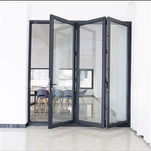

Architects occupy the core decision-making position in the whole construction cycle of residential, commercial and high-rise waterfront projects. All designs of building enclosures, indoor lighting and energy consumption are formulated by architects in the schematic design stage, and window systems, as the vital link connecting interior and exterior spaces, are determined long before construction starts. Many project quality risks, budget overruns in window procurement decisions, and inspection failures stem from ignoring architects' early window design suggestions. To unify aesthetic, energy-saving and safety goals of the whole building, architects will sort out complete technical indicators and confirm standardized aluminum window specifications as the basic implementation standard for subsequent procurement and production. As building performance requirements become increasingly complex, the role of architects in window system selection continues to expand, making specification development a critical part of successful project delivery.
Why Window System Decisions Begin with Architects
Window system configuration cannot be adjusted arbitrarily in the mid-to-late construction phase, which is why architects lock window solutions at the initial design stage. As the overall planner of building performance, architects need to balance multiple core goals including thermal insulation, safety, lighting and façade aesthetics, and all window parameters must be consistent with the overall design logic of the building envelope.
If developers or contractors directly select finished windows without consulting architects, inconsistent façade styles, substandard energy consumption and insufficient wind resistance will appear, resulting in large-scale on-site rework. In order to avoid such hidden risks, architects will sort out all design constraints in advance and form clear, executable project window specifications, which serve as the unified benchmark for communication between procurement teams and window manufacturers. Every parameter recorded in the specifications, from frame depth to glass configuration, originates from the architect's overall planning of the building.
How architectural Window Specifications Reflect Design Intent
This section is the core of the full text, which elaborates how architects convert abstract design ideas into specific window system specifications, covering four core dimensions of architectural design: building façade appearance, natural lighting demands, energy efficiency targets and building space functional positioning.
First, the overall style of the building façade determines the profile series, surface coating color, frame width and mullion layout in window specifications. For minimalist commercial office buildings, architects will specify narrow-frame hidden aluminum window structures; for coastal resort communities, wide frames with fluorocarbon anti-corrosion coating will be marked in the specifications to match the seaside landscape style.
Second, indoor lighting requirements control glass area, light transmittance and sash opening ratio in the specifications. Large-area fixed glass is specified for lobby and viewing floors to maximize natural light, while small casement windows with adjustable opening range are designed for rest areas to balance lighting and privacy.
Third, building space functions further influence window specifications. Different areas require different levels of ventilation, safety, privacy and user comfort. Architects adjust opening methods, hardware configurations and sealing performance according to the intended use of each space, ensuring that window systems support the overall functionality of the building.
Fourth, space functional needs adjust hardware types, bearing capacity and sealing grades. High-frequency used windows in shopping malls adopt heavy-duty multi-point lock hardware in specifications; quiet office areas configure enhanced acoustic insulation glass parameters to meet the comfort demands of different spaces.

Performance Requirements Drive Window System Selection
When drafting window design specifications, architects take four core performance indicators as the bottom line of all design work, and all window systems must meet the minimum performance thresholds set by architects.
Energy efficiency is the primary consideration for modern green buildings. Architects limit the U-value and SHGC of windows to reduce building heat loss and solar heat gain, which is the core basis for selecting thermally broken aluminum window systems and multi-layer insulated glass. Wind resistance is particularly critical for coastal and high-rise projects: architects calculate regional wind load values and mark the minimum profile wall thickness and reinforced structure standards in specifications to resist cyclic hurricane wind pressure.
Water penetration performance prevents rainwater seepage damage to interior decoration; architects require integrated hidden drainage and multi-channel sealing structures to be included in aluminum window specifications. Acoustic comfort targets apply to buildings adjacent to roads and downtown business districts. Architects will specify laminated acoustic glass and airtight sealing systems to isolate external traffic and crowd noise. All performance indicators restrict the selection range of window systems and eliminate products that fail to meet the building's long-term use standards.
How Compliance Requirements Influence Architectural Choices
Beyond achieving architectural aesthetics and performance goals, architects must also ensure that every window system complies with applicable building regulations. Certification programs and regional code requirements play a significant role in shaping window specifications and narrowing the range of acceptable window solutions.
NFRC certification provides unified energy performance labeling for windows, and architects will lock qualified glass and frame combinations that pass NFRC tests in specifications to meet energy-saving filing requirements. Energy Star standards put forward higher energy efficiency thresholds, which are mandatory for green residential and commercial projects in North America. For Florida and other hurricane-prone coastal areas, Miami-Dade NOA certification is an indispensable compliance condition; architects can only select window series with valid NOA test reports and adjust impact-resistant glass and reinforced frame parameters in specifications accordingly.
In addition, local building codes put forward clear limits on wind load, water tightness and corrosion resistance. Architects will revise frame thickness, coating process and hardware grades in window system specifications according to regional regulatory requirements to guarantee smooth plan review and final occupancy inspection of the whole project
.
Why Collaboration Between Architects and Manufacturers Matters
Sufficient communication between architects and professional window manufacturers is the key to realizing all design ideas recorded in project window specifications, and reliable suppliers such as YY Windows can provide full-cycle technical support for architectural design teams.
First of all, manufacturers deliver one-stop technical consultation services. YY's professional engineering team can interpret complex project window requirements, provide practical optimization suggestions for challenging façade designs, and avoid solutions that are difficult to manufacture or install efficiently. Second, accurate structural calculations support high-standard design implementation. For high-rise and coastal projects, YY completes wind load structural simulation and frame bearing calculation according to the performance indicators set by architects, ensuring the window system completely matches the calculated data in specifications.
Third, flexible customized solutions break the limitations of standard window products. YY adjusts frame profiles, glass collocation and surface finishes one by one according to architects' personalized design requirements, perfectly restoring the expected façade effect. Finally, deep cooperation effectively reduces construction risks in the later stage. Manufacturers will review all approved project specifications before mass production to avoid dimensional deviations, certification mismatches and performance failures, reducing the risk of rework, delays and project claims.

How Architects Are Shaping the Future of Window System Design
As global construction turns to low-carbon and high-quality development, architects continue to lead the innovation direction of window and façade systems, and the upgrading of customized aluminum window systems has become an inevitable trend guided by architectural design.
Sustainability has become the core design proposition of all new projects. Architects tend to add recycled aluminum, low-radiation energy-saving glass and environment-friendly powder coating into window system specifications to reduce the carbon footprint of the whole building. The market demand for high-performance buildings pushes architects to set stricter standards for heat insulation, wind resistance and anti-corrosion, accelerating the elimination of low-performance ordinary window products.
Smart integrated façades are gradually popularized in commercial complexes and high-end office buildings. Architects integrate automatic ventilation, temperature sensing and shading functions into project window specifications, forming an intelligent enclosure system with linkage control. Against this background, customized aluminum window systems with adjustable parameters and flexible structures can better adapt to diversified architectural design demands in coastal and high-performance building projects. From early specification formulation to future innovative design, architects will always act as the core driver to promote the iterative upgrade of aluminum window systems.
Architects influence window system selection long before procurement begins. By developing clear aluminum window specifications, they align building aesthetics, performance objectives, code compliance and long-term operational goals into a unified design strategy. As building standards continue to rise, architects and manufacturers must work closely together to deliver window systems that meet both technical requirements and design expectations. Projects that prioritize architectural input early are better positioned to achieve lasting performance, efficiency and value.