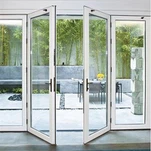

For architects, general contractors, coastal property managers and North American residential & commercial developers operating hurricane corridor buildings, exterior fenestration durability determines building envelope safety, insurance compliance and long-term project ROI. Unlike standard residential windows, impact windows are exposed to cyclic wind pressure, salt fog corrosion, heavy rainfall, and debris impact in coastal environments. Without standardized design, installation, and maintenance, hurricane impact windows may experience premature performance degradation, leading to rework, inspection failures, and asset value loss. Engineered for Florida, Texas, and Caribbean coastal building codes, impact-resistant windows provide reliable storm protection, and proper impact window inspection and lifecycle management can extend their service life in large-scale coastal developments.
What Are Storm Impact Windows and Their Role in Coastal Construction Projects
Hurricane windows are code-certified exterior window systems designed to resist debris impact, cyclic wind loads, water infiltration, and coastal corrosion during hurricanes and tropical storms. Tested under Miami-Dade, AAMA, and NFRC standards, these systems are required components in wind-zone regulated coastal buildings, including multi-family residential communities, waterfront retail buildings, high-rise resort towers and beachfront mixed-use developments across North America.
Beyond storm resistance, storm-resistant windows improve airtightness, reduce HVAC energy loss, lower insurance costs, and support consistent façade performance in large-scale coastal projects. For project stakeholders, these windows are long-term building safety assets rather than disposable decorative building materials. Defined design standards, standardized installation and regular engineering maintenance are essential to avoid premature frame rust, glass delamination and hardware breakdown, which can shorten the designed 25-to-30-year service life of coastal impact fenestration.

Key Factors That Affect the Service Life of Impact Windows
The service lifespan of site-installed impact windows is decided by four interconnected project-level factors, rather than single product quality, which builders must evaluate in pre-design and post-handover stages.
First, coastal environmental exposure. Shoreline buildings within 1km of seawater face heavy salt-air erosion, intense UV radiation and recurring storm surges, which accelerate coating fading, metal oxidation and sealing strip aging compared with inland coastal areas. Second, installation quality. Improper flashing placement, unbalanced frame anchorage, irregular gap waterproof filling and misaligned drainage outlets are top installation errors that damage window structural stability long-term.
Third, material and structural performance quality. Down-gauged aluminum profiles, low-adhesion surface coating, inferior interlayer glass and non-corrosive hardware will degrade rapidly under coastal working conditions. Fourth, operational and maintenance practices. Long-term debris blockage of drainage cavities, unauthorized window modification, and lack of periodic engineering inspection will gradually weaken the overall storm resistance performance. All four factors jointly determine whether impact window systems can reach their standard designed service life for North American coastal projects.
Material and Structural Design of Storm Impact Windows in Aluminum Systems
High-durability aluminum-based storm impact window systems adopt customized material matching and reinforced structural design tailored for harsh coastal environments, which lays a physical foundation for long-term operation.
For aluminum frame profiles, coastal-grade extruded aluminum alloy is used, with wall thickness designed according to local wind-load requirements. Shoreline projects require thickened reinforced mullion frames with fluorocarbon coating instead of standard powder coating to resist salt spray corrosion and UV chalking for over 20 years. For safety glass configuration, projects distinguish glass types by building height: SGP laminated impact glass for high-rise windward openings with high structural integrity, and standard PVB laminated glass for mid-rise residential windows to balance durability and project budget.
Supporting system accessories are designed for coastal anti-corrosion performance. All locking points, hinges, and hardware use 316 marine-grade stainless steel to avoid rust jamming. The whole window adopts a multi-channel integrated drainage structure and EPDM weather-resistant sealing gaskets, with hidden drainage grooves to prevent rainwater backflow and water accumulation inside frame cavities. This aluminum window system design reduces natural performance loss and greatly lowers later maintenance frequency for large-scale coastal projects.
Common Performance Degradation Issues in hurricane impact windows Over Time
Even certified impact windows will generate regular aging defects after 5 to 8 years of coastal operation, and project management teams need to identify typical degradation problems in advance for targeted remediation.
Seal failure is the most common issue. Long-term temperature alternation and salt erosion harden original rubber gaskets, causing gasket shrinkage, cracking and detachment. This leads to poor airtightness, outdoor noise penetration and stormwater seepage through window joints. Second, hardware wear and operational issues: coastal salt residue accumulates on hardware moving parts, causing hinge sticking, lock point misalignment and sash sagging, which affects closing tightness and overall wind-resistant bearing capacity.
Third, glass interlayer degradation and delamination. Inferior interlayer material or edge seal failure makes moisture enter laminated glass cavities, generating white fog and bubble defects, which weakens debris impact resistance. Fourth, frame corrosion and drainage blockage. Uncleaned silt and salt crystals block drainage holes, retaining water inside frames and triggering local aluminum frame oxidation. These cumulative minor issues will reduce the hurricane resistance performance of windows, potentially leading to failure during official building inspections.

Best Maintenance Practices to Extend the Service Life of Storm Impact Windows
All maintenance guidelines are project-level standards designed for property engineering teams and subcontractors, rather than household cleaning practices, and are intended to standardize periodic upkeep.
First, seasonal pre-storm systematic inspection. Conduct full inspections before the hurricane season each year: clear frame drainage cavities and bottom holes of salt silt and fallen debris, inspect perimeter waterproof flashing integrity, and refill damaged exterior caulking to strengthen wall-frame tightness. Second, scheduled professional component lubrication and replacement. Apply marine-grade lubricant to hardware twice per year; replace aged EPDM gaskets every 8-10 years uniformly for batch building windows to keep sealing performance stable.
Third, standardized surface cleaning specification. Adopt neutral water-based cleaning agents to wash frame coating and glass surfaces, Avoid acidic cleaning agents that may degrade protective coatings over time, and regularly remove surface salt deposits to reduce electrochemical corrosion. Fourth, prohibit unauthorized field modification. Forbid on-site drilling, frame cutting and hardware replacement by third-party workers; all window structure adjustment must be confirmed by original manufacturer engineers. Scientific batch engineering maintenance can add 10+ years of service life to standard coastal impact window assemblies.
How High-Quality hurricane windows Manufacturers Ensure Long-Term Durability
Maintenance cannot fully compensate for poor design or material selection in hurricane-rated windows, so selecting a qualified manufacturer is the fundamental solution to ensure long-term durability of coastal impact fenestration.
Reliable manufacturers implement coastal-dedicated production standards: classify profile coating, glass interlayer and hardware configuration by project distance from coastline, avoid universal one-size-fits-all window production, and provide complete Miami-Dade, AAMA certified product files for project filing. Professional factories provide full pre-sale engineering support, including customized structural calculation, shop drawing optimization and wind-load design adjustment, eliminating hidden durability risks caused by design flaws and reducing commercial window maintenance requirements in long-term coastal projects.
Meanwhile, qualified suppliers support standardized OEM/ODM customized production, unified batch material quality, and pre-delivery aging simulation test for export coastal windows. They also provide long-term spare parts supply, remote technical guidance and installation training for North American local contractors. For long-cycle coastal asset projects, partnering with reputable manufacturers avoids premature window aging, reduces full-lifecycle maintenance expenditure, and makes customized, code-compliant storm impact windows maintain stable storm protection performance throughout the building's entire service cycle.