

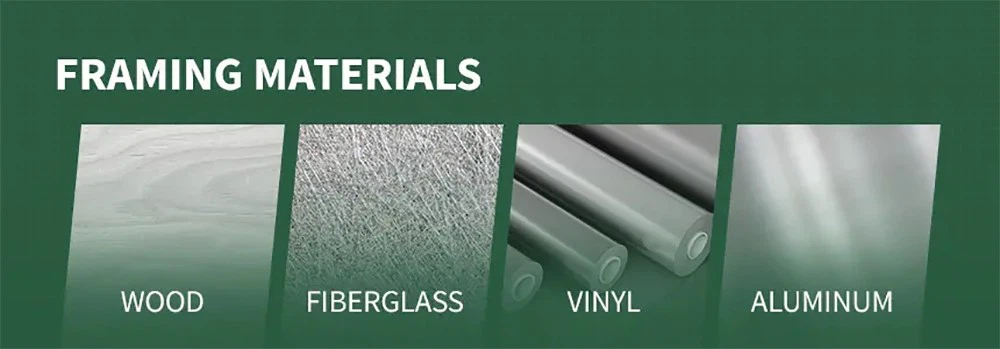
Performance requirements:
Thermal insulation: Choose materials with good thermal insulation, such as PVC and aluminum alloy, which can effectively save energy.
Sound insulation: Where a quiet environment is required, give priority to materials with good sealing and heavy materials.
Waterproof: Choose materials with good waterproof performance, suitable for use in humid areas.
Sound insulation: Where a quiet environment is required, give priority to materials with good sealing and heavy materials.
Waterproof: Choose materials with good waterproof performance, suitable for use in humid areas.
Durability:
Corrosion resistance: Aluminum alloy and stainless steel perform better in humid environments.
Deformation resistance: Although wood is beautiful, its deformation and aging problems in extreme climates need to be considered.
Deformation resistance: Although wood is beautiful, its deformation and aging problems in extreme climates need to be considered.
Aesthetics:
The appearance and color of the material need to be coordinated with the architectural style, and choose materials that suit your personal preferences.
Maintenance cost:
Different materials have different maintenance requirements, such as wood needs to be painted regularly, while PVC is relatively low maintenance.
Environmental friendliness:
Give priority to recyclable materials or environmentally certified products to reduce the impact on the environment.
Budget:
The prices of different materials vary greatly, so choose the right material according to your budget.


