
Wind Load Engineering in Coastal Building Design
Impact of Coastal Environments on Window Systems
Coastal composite harsh conditions will continuously weaken the wind resistance of window systems over decades of service, which is a factor that cannot be ignored in wind load engineering.
First of all, salt fog corrosion. Salt particles adhere to frame cavities, drainage grooves and hardware moving parts, causing coating chalking and stainless steel hardware rust. Jammed locks and sagging sashes greatly reduce the overall load-bearing capacity of windows under strong wind.
Secondly, cyclic hurricane wind pressure. Alternating pull and squeeze force repeatedly acts on the joint of frame and wall, accelerating the aging and cracking of sealing strips, leading to rainwater backflow and internal metal corrosion.
In addition, intense ultraviolet radiation weakens the toughness of rubber accessories year by year. If wind load design only relies on short-term laboratory test data without considering long-term environmental attenuation, windows will fail to reach the designed wind resistance standard after several years of operation.

storm impact windows in High Wind and Coastal Environments
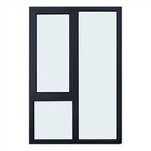
Against the dual challenges of high wind pressure and coastal corrosion, hurricane storm windows are customized fenestration assemblies exclusively developed for hurricane wind zones, which fill the performance gap of ordinary aluminum windows in seaside projects.
Certified by Miami-Dade, AAMA and NFRC third-party laboratories, these windows pass large missile impact tests and thousands of cycles of alternating wind pressure tests. Their frame structure, laminated glass, anti-corrosion coating and multi-point locking hardware are all upgraded to match coastal working conditions. For developers undertaking batch waterfront communities and beachfront commercial buildings, introducing coastal storm resistant windows in the initial wind load planning avoids costly later window replacement and structural modification. Whether low-rise resort villas or super high-rise coastal office towers, code-compliant storm resistant windows are a mandatory part of wind load engineering implementation.
Role of Aluminum Windows in Wind Load Resistance
Performance of Coastal Storm Windows Under High Wind Pressure
When verifying wind load engineering effects, the comprehensive performance of hurricane impact windows under simulated high wind pressure is the core evaluation index.
In cyclic wind pressure tests, qualified products shall not have permanent frame bending, glass loosening or sealing layer cracking after tens of thousands of positive and negative pressure alternations. For windward facades of high-rise buildings, SGP laminated glass is equipped to avoid interlayer delamination and fogging under long-term pressure, and prevent penetrating breakage when hit by wind-borne debris.
Multi-channel EPDM weather-resistant sealing strips cooperate with waterproof flashing to block stormwater infiltration under high wind pressure. Marine-grade 316 stainless steel hardware ensures stable locking performance without rust jamming, so the whole window can maintain complete enclosure protection throughout hurricane seasons. All these customized performance designs enable coastal storm resistant windows to fully meet the theoretical wind load values calculated in the early design stage.
Design Pressure (DP) Requirements for Coastal Window Systems
Design Pressure (DP) is the core quantitative standard linking wind load engineering and window product selection, with clear hierarchical requirements formulated by ASTM and AAMA specifications for different coastal wind zones.
The DP value represents the maximum alternating wind pressure that the window system can safely bear, which is determined by the project's wind zone classification, building height and distance from the coastline. Low-risk inland coastal towns allow medium DP grade windows, while shoreline high-rise buildings in Zone 4 hurricane corridors need top-level DP-rated storm resistant windows with thickened reinforced profiles.

Selecting storm impact windows for High-Rise Coastal Projects