
In high-rise, coastal, and urban commercial projects, design pressure for windows is no longer a theoretical structural parameter. It is the core engineering benchmark that influences window system selection, mockup testing results, installation requirements, and final project approval. Many façade contractors and developers face repeated rework, inspection failures, and late-stage specification revisions not because of poor workmanship, but because insufficient understanding of wind resistance performance and design pressure requirements was underestimated during the planning stage, especially in coastal projects where wind loads are critical.
On dozens of waterfront high-rise and dense urban residential projects, window systems that passed theoretical calculation often failed on-site deflection tests, water penetration inspections, and wind load simulation assessments. These practical project issues prove that design pressure understanding must be combined with real site conditions rather than relying solely on standard table values. This article analyzes design pressure application based on actual engineering cases, summarizing performance strategies and approval pitfalls that frequently determine project success.
Why Design Pressure for Windows Controls Approval Outcomes
Design pressure compliance is one of the most common causes of failure in modern façade approval processes. In official project auditing and third-party mockup inspections, all window performance indicators including frame deflection, structural stability, water tightness, and air permeability are verified under standard design pressure load. If the pressure grade does not match the actual project environment, even high-quality window systems cannot pass compliance checks.
From real project approval experience, most batch-scale window rectifications stem from underestimated design pressure. For example, multiple mid-rise coastal residential projects adopted general inland wind pressure parameters during design phase to save cost. During the pre-occupancy mockup test, the window frame deflected beyond the allowable limit under positive and negative wind load, causing seal dislocation and simulated rainwater leakage. This forced the entire window system to be upgraded with reinforced mullions, thicker profile sections, and adjusted anchoring spacing, resulting in delayed inspection sign-offs and unbudgeted material costs.
Beyond structural testing, design pressure also plays a critical role in long-term regulatory compliance. Building officials and consultants now cross-check whether window configuration, glass thickness, and hardware grade match the certified pressure rating. Any mismatch leads to conditional approval or full-scale re-submission, making accurate design pressure grading the primary gatekeeper for window project delivery.

Core Factors Shaping Window Design Pressure
In practical window engineering, design pressure values are not determined by fixed standards alone. They are adjusted dynamically according to on-site project attributes, which explains why two similar-looking buildings in the same city often require completely different window pressure grades.
Building height is the most intuitive influencing factor. On high-rise projects, wind speed and turbulence increase significantly with elevation. Field observations show that windows on upper floors are exposed to significantly higher negative wind pressures than those on lower floors, which is the main reason many projects require segmented pressure design for low, middle, and high floors. Uniform pressure grading for the entire building will either cause performance insufficiency on top floors or unnecessary cost waste on bottom floors.
Regional environment and site shielding also reshape actual wind load. Coastal open terrain with no surrounding buildings generates continuous strong wind impact, while urban block sites with dense high-rise clusters produce turbulent wind pressure. Many engineers underestimate turbulence effects, leading to insufficient safety margins and wind-induced vibration issues after project completion.
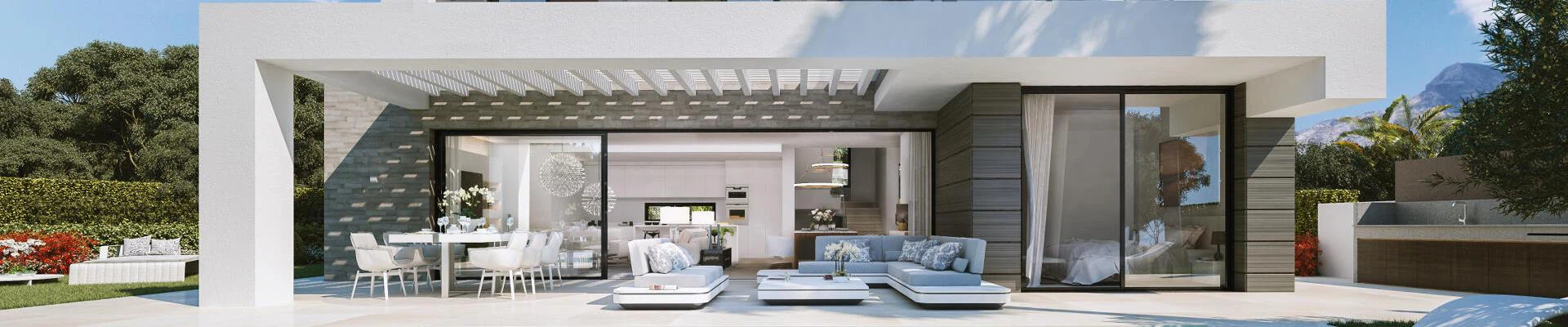
Window opening size and frame division are critical detail factors often overlooked in early design. Large-span floor-to-ceiling windows with fewer mullions bear concentrated wind load, requiring higher design pressure resistance compared with segmented small openings. In current aesthetic-driven façade design, oversized transparent glazing has become mainstream, which directly raises the overall design pressure standard of the entire project.
Practical Calculation of Design Pressure for Aluminum Windows
Most window failures occur not because calculation formulas are wrong, but because engineers blindly apply standard formula results without combining site correction factors. In professional window engineering teams, design pressure calculation is divided into theoretical base value and project-specific revised value, and the final construction standard strictly follows the revised on-site pressure grade.
The base wind pressure value is derived from local building codes according to regional wind speed data. However, real projects require multiple practical corrections including height correction, terrain roughness correction, and wind vibration coefficient adjustment. For coastal high-rise projects, wind exposure factors and gust effects can significantly increase the final design pressure compared with inland developments.
Practical project calculation also reserves reasonable performance margin. Many budget-oriented designs calculate pressure exactly equal to the standard limit, leaving no tolerance for on-site construction errors, material aging, and long-term wind load fatigue. In actual inspection, windows with zero margin often fail deflection tests under dynamic cyclic wind load. Mature window engineering practices always add a safety margin based on project risk level to ensure mockup test pass rate and long-term stability.
How Design Pressure Guides Window System Configuration
Design pressure for windows serves as the primary reference for window system configuration decisions. Every key component selection in aluminum windows must match the confirmed pressure grade, otherwise performance inconsistency will occur even with high-end accessories.
First, design pressure determines profile section thickness and reinforcement layout. High-pressure coastal floors require thicker wall profiles and integrated reinforced mullions to control frame deflection. Many failed projects use standard profile sections for high-floor large openings, resulting in visible frame bending under strong wind and irreversible seal gaps.
Second, pressure grade controls glass thickness and structural configuration. Large insulated glass panels under high wind load require thicker tempered glass and enhanced spacer support to prevent glass deflection, internal fogging, and edge stress concentration. Low-pressure areas can adopt conventional glass configurations to optimize project cost.
Third, anchoring density and hardware grade are fully governed by design pressure. High wind pressure requires shorter anchoring spacing, high-strength stainless steel fasteners, and anti-fatigue hardware systems to avoid sash loosening, displacement, and wind vibration noise after long-term wind cycling. This systematic configuration logic ensures the entire aluminum window system matches the actual wind load demand, avoiding partial performance bottlenecks.
Common Design Pressure Errors That Trigger Mockup and Inspection Failures
Summary of hundreds of window inspection records shows that most mockup failures are caused by several fixed design pressure misunderstandings, which are extremely common in medium and small-sized project designs.
The first typical error is unified pressure design for the whole building. Many contractors adopt one single pressure standard for all floors to simplify construction management. In practice, top-floor negative wind suction far exceeds the unified design value, leading to frame deformation and water leakage during mockup testing.
The second error is only focusing on positive wind pressure and ignoring negative suction pressure. In high-rise projects, outward suction force is often greater than inward wind pressure, which easily causes sash pop-out risk and seal separation. Many designs pass positive pressure tests but fail negative pressure dynamic tests.
The third error is over-reliance on theoretical data without reserving field tolerance. Calculated values are ideal data, while actual construction includes slab deviation, installation inclination, and hardware assembly errors. Zero-margin design leads to poor field adaptability and frequent inspection failures.
The fourth error is mismatched component configuration. Upgrading profiles while retaining ordinary hardware and standard glass cannot meet high design pressure requirements, resulting in partial structural weakness and concentrated failure points during wind load testing.
Field Practices for Maintaining Aluminum Window Wind Load Performance
To stabilize window wind load performance throughout the project lifecycle, professional engineering teams adopt standardized field practices rather than relying on passive repair after problems occur.
First, implement segmented pressure grading strictly by floor and orientation. High-rise coastal projects divide low-rise, mid-rise, and high-rise zones with independent design pressure standards, and configure corresponding profiles, glass, and anchoring systems to balance safety and cost.
Second, conduct pre-construction pressure simulation verification. Before formal batch production, window teams complete sample wind pressure simulation and deflection detection to adjust reinforcement details in advance, avoiding large-area rework after production.
Third, control installation precision to preserve design pressure performance. Even well-designed window systems will lose wind load capacity if installed unevenly or anchored loosely. Standardized on-site positioning, verticality control, and bolt torque inspection ensure the window frame bears wind load evenly as designed.
Fourth, retain long-term performance margin. For coastal high-humidity and high-wind projects, the system configuration appropriately improves corrosion resistance and structural fatigue resistance to prevent performance attenuation caused by hardware aging and seal degradation in later operation stages.

Future Trends in Precision Design Pressure Engineering
With the popularization of ultra-large glass openings and ultra-slim façade aesthetics, traditional empirical wind pressure design can no longer meet modern high-standard façade requirements. The future of window pressure engineering is moving toward refined, precise, and digital design.
Modern projects are gradually adopting CFD wind field simulation to obtain real wind pressure data for different building orientations and heights, replacing simplified code empirical values. This precise design method effectively avoids over-design waste and under-design risks, greatly improving project accuracy.
In addition, dynamic fatigue wind load design has become a new industry focus. Traditional static pressure design only detects instantaneous wind load resistance, while future design will pay more attention to long-term cyclic wind vibration fatigue performance and on-site installation execution quality, ensuring window system stability during decades of operation.
Ultimately, design pressure for windows will evolve from a structural performance metric into a comprehensive engineering strategy that integrates design, manufacturing, installation, and long-term building performance. Accurate pressure grading and matching configuration will continue to be the core key to improving window project approval pass rate and reducing whole-life cycle risks.