
On nearly every commercial, multi-unit residential, and mixed-use construction project, aluminium windows specification plays a critical role in aligning developers and on-site contractors during the early decision-making stage. Misalignment is common not because of poor communication, but because different stakeholders interpret window system requirements through fundamentally different project priorities, performance expectations, and risk management frameworks.
Aluminium window system requirements define the technical and performance standards that guide both construction execution and long-term asset performance, especially in coastal commercial projects requiring impact-resistant glazing systems. Developers typically prioritize post-handover building value, occupant comfort, energy efficiency, and long-term maintenance predictability. Contractors, on the other hand, focus on constructability, installation efficiency, site tolerance adaptability, and schedule control.
This divergence often leads to specification changes during construction, resulting in rework, inspection delays, and unexpected site costs when window system requirements are not clearly established during pre-construction planning. Establishing a coordinated performance framework early in the project is essential to balance construction feasibility with long-term building performance objectives.
Contractors Focus on Installation Efficiency and Site Execution
For general contractors and façade subcontractors, aluminium window systems are primarily evaluated through a site execution and constructability perspective, which is a key consideration within commercial window system requirements for large-scale projects. On active commercial and multi-unit residential jobsites, construction schedules are tightly compressed, and window installation directly influences façade enclosure progress, waterproofing sequencing, and final building envelope sign-off. Every decision within the overall system specification framework directly impacts daily installation output, labour efficiency, and rework risk.
In practical field conditions, contractors consistently favour window system configurations that provide high site tolerance and modular adaptability. Structural slabs, masonry openings, and curtain wall rough-ins rarely match perfect drawing dimensions. Minor offsets, slab edge deflection, and structural drift are unavoidable in high-rise and large-scale projects. For this reason, contractors depend on standardised aluminium window frame profiles, adjustable anchoring systems, and flexible perimeter gaps as part of the overall specification strategy to absorb real-world installation deviations. Non-standard or overly customised façade glazing specifications with rigid fixed dimensions often result in extensive on-site trimming, frame modification, and alignment adjustments, which slow down batch installation workflows.
Another critical aspect of system specification from a contractor perspective is component standardisation and site manageability. Contractors prefer systems with universal hardware, consistent frame depths, and unified accessory sets across all building units. When window system requirements vary by floor, orientation, or unit type, construction teams must manage separate inventories, custom installation jigs, and different sealing details. This increases site coordination complexity, raises human error risk, and extends overall construction timelines. On large multi-unit projects, inconsistent specification standards are a frequent cause of staggered façade completion and punch-list delays.
Waterproofing and sealing simplicity is also a major factor in contractor decision-making. Aluminium window systems with pre-engineered drainage channels, integrated flange details, and standardised weather sealing grooves significantly reduce dependency on manual on-site craftsmanship. In contrast, complex or highly customised performance specification designs with hidden cavities or non-standard sill geometries often lead to incomplete sealing, water ingress risks, and post-installation leakage issues that require costly remediation.
Developers Prioritize Lifecycle Cost and Building Performance
While contractors focus on construction-phase feasibility, developers evaluate aluminium windows specification from a lifecycle performance and long-term asset value perspective. Within the broader building envelope strategy, windows are not temporary construction components but core systems that directly influence energy compliance, occupant comfort, maintenance frequency, and long-term property valuation.
The primary developer focus is consistent thermal and environmental performance across the entire building. Modern commercial and multi-unit residential projects require strict compliance with building codes governing U-values, air infiltration rates, and water penetration resistance. Developers therefore avoid low-performance or under-specified window systems, as inadequate performance standards often result in long-term operational issues such as thermal imbalance, excessive HVAC energy consumption, perimeter condensation, and seasonal humidity discomfort. These issues directly impact tenant satisfaction, rental yield, and asset competitiveness in the market.
Lifecycle maintenance cost control is another critical component of developer-driven specification decisions. Many mid-tier developments that adopted simplified or cost-reduced system strategies during early construction phases exhibit accelerated performance degradation within three to five years after handover. Common issues include hardware loosening, sealant failure, surface oxidation, and inconsistent sash operation. For property management teams, these failures translate into continuous maintenance work orders, façade repair cycles, and partial system replacement costs that significantly reduce long-term asset profitability.
Developers also emphasize performance consistency across all elevations when defining project requirements. High-rise buildings are exposed to varying wind pressure, solar radiation, and humidity conditions across different façades. As a result, professional developers adopt tiered but standardised glazing system strategies to balance environmental exposure differences while maintaining uniform façade performance, preventing localized degradation that could affect both building aesthetics and envelope integrity.

How Contractors and Developers Evaluate Aluminium Windows Differently
The biggest industry misunderstanding lies in the fundamentally different evaluation criteria used by contractors and developers when assessing window system quality. Within the overall specification framework, contractors define a "good system" as one that installs efficiently, tolerates site deviations, requires minimal custom modification, and consistently passes on-site testing on the first attempt. Developers, however, define a "good system" as one that maintains stable long-term performance, minimizes lifecycle maintenance intervention, and sustains building energy efficiency and asset value throughout the operational lifespan.
From the contractor's perspective, overly engineered or highly customised window system configurations often introduce unnecessary site complexity and execution risk. Thickened custom profiles, non-standard groove geometries, and specialised hardware systems significantly increase installation difficulty, require higher-skilled labour input, and extend on-site construction cycles. On fast-track commercial projects, such design decisions often become schedule bottlenecks, even when they offer improved theoretical performance. As a result, contractors typically resist over-customised glazing system solutions that cannot accommodate field tolerances or increase rejection rates during alignment, sealing, and testing processes.
From the developer's perspective, cost-optimised or value-engineered low-grade system requirements create hidden long-term performance liabilities. While simplified profiles, reduced frame depth, basic thermal structures, and generic hardware may not cause immediate construction or inspection issues, these design reductions gradually manifest as operational inefficiencies after occupancy. Developers frequently observe that initial savings achieved through downgraded performance standards are offset by long-term maintenance costs, increased energy consumption, and higher tenant management or dispute resolution expenses, especially when low-quality aluminium window systems are used in large-scale commercial projects.
This fundamental evaluation gap creates a recurring project dilemma: contractors prioritize construction-phase efficiency and installability, while developers prioritize operational stability and lifecycle performance. Successful projects resolve this conflict by establishing a balanced specification strategy that aligns site constructability with long-term building envelope performance requirements.
Aluminium Windows Specification Compliance for Commercial Project Requirements
Commercial and multi-unit residential projects are subject to significantly stricter compliance requirements than small-scale residential developments. Within the broader project specification framework, these mandatory standards act as the critical bridge between contractor execution requirements and developer performance expectations. Large-scale projects typically require formal documentation, third-party performance testing reports, and code compliance verification before window fabrication, procurement, and installation can commence.
In practical project auditing processes, core compliance indicators include structural wind load resistance, water tightness, air permeability, thermal insulation performance, and surface durability. For high-rise commercial buildings, wind pressure classification and allowable frame deflection limits are non-negotiable technical parameters. Many projects fail façade mock-up testing due to insufficient profile section sizing or lack of internal reinforcement design, resulting in last-minute system upgrades and full batch re-fabrication. This reflects a common failure mode where inadequate early-stage system planning leads to significant schedule disruption and cost escalation.
Thermal performance requirements have become a mandatory component of modern commercial building energy compliance standards. Thermal break structure design, aluminium profile wall thickness, and insulated glass configuration must align with local energy codes and certification requirements. Projects that adopt outdated or non-compliant glazing systems often fail energy modelling assessments, leading to delayed approvals and compulsory redesign or specification correction.
Standardised system requirements also play a critical role in unifying on-site construction quality control. When projects adopt clearly defined and consistent technical parameters for frame depth, anchoring methods, sealing systems, and hardware integration, contractors can implement batch installation with standardized workmanship. This reduces on-site variability, minimizes ad-hoc adjustments, and significantly improves overall façade consistency. It also resolves the common issue of inconsistent installation quality across different floors in large-scale developments.
Cost Vs Performance Trade-Off In Window System Selection
Nearly every window system decision ultimately involves a cost versus performance trade-off. Within the broader project planning framework, most conflicts arise when developers prioritize high-performance façade systems while contractors advocate for cost-effective and easier-to-install alternatives. Resolving this conflict depends on rational system alignment based on project positioning, building type, and environmental exposure conditions, rather than unilateral cost reduction or excessive over-engineering.
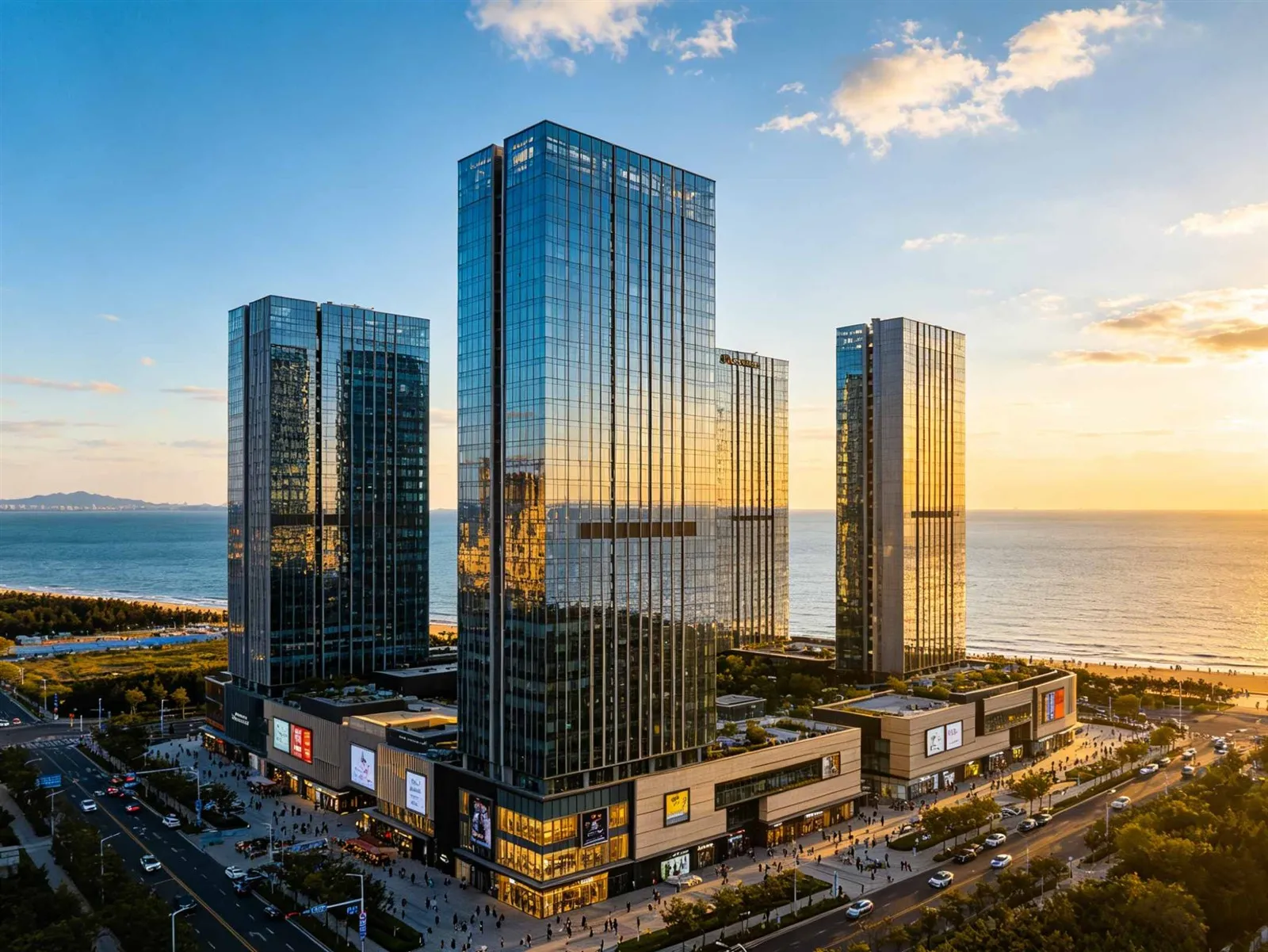
Low-tier, cost-driven system strategies reduce upfront material expenditure and simplify on-site installation processes for contractors. However, in high-humidity, high-wind coastal regions and urban high-rise developments, excessive cost reduction often results in significant performance degradation. Thin profile sections can lead to excessive frame deflection under wind load, simplified thermal break structures increase thermal bridging and condensation risk, and basic surface finishing accelerates oxidation and fading. These performance compromises result in long-term operational inefficiencies and increased lifecycle costs for developers.
Conversely, over-specified glazing system solutions also introduce inefficiencies. Applying ultra-high-performance custom systems to low-rise inland commercial projects often delivers marginal performance improvement while significantly increasing material, fabrication, and installation costs. Professional project teams mitigate this imbalance by grading system performance levels according to building height, façade orientation, wind exposure zones, and climatic conditions.
The most effective approach is the adoption of standardized medium-to-high performance window systems. These configurations provide sufficient structural safety margins and thermal performance to satisfy developer lifecycle requirements while maintaining modular standardization that simplifies contractor installation processes, reduces rework risk, and improves site execution efficiency. This balanced performance strategy has become the dominant decision-making model for modern commercial and multi-unit residential construction projects.
Why Early Aluminium Windows Specification Alignment Determines Project Success
Field data from numerous commercial construction projects confirms that most window-related rework, inspection failures, and post-occupancy performance issues originate from delayed system definition and approval. In many cases, project teams prioritize structural and masonry design completion first, while leaving window system planning to mid-construction stages, which leads to irreversible coordination conflicts between design intent and on-site execution.
When project requirements are not finalized early during the pre-construction phase, critical elements such as structural opening dimensions, slab edge allowances, waterproofing interfaces, and curtain wall connection details are developed without a fully coordinated framework. Once the final glazing system configuration is introduced later, discrepancies often arise in frame depth requirements, anchoring positions, and perimeter sealing design. This mismatch forces contractors into costly corrective actions such as concrete modification, opening adjustments, and on-site system adaptation, significantly increasing construction risk, schedule delays, and budget overruns.
Early alignment of system requirements also establishes a unified decision framework between developers and contractors, particularly in multi-unit residential window planning. With clearly defined technical standards in place, developers can accurately validate performance compliance, energy efficiency targets, and long-term asset value expectations, while contractors can plan procurement, labour allocation, and installation sequencing with greater certainty. This reduces iterative redesign cycles and eliminates late-stage specification changes that commonly disrupt fast-track commercial projects.
In summary, window system planning is not simply a procurement or material selection decision. It represents a structured project-level framework that balances site constructability, regulatory compliance, construction cost control, and long-term building performance. Projects that establish early and standardized coordination between contractor execution requirements and developer lifecycle objectives consistently achieve faster delivery, lower rework rates, and improved long-term building envelope stability.