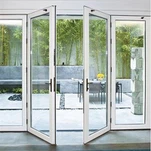


In the Georgian era at the end of the 8th century, a new type of window, the casement window, quietly emerged, gradually replacing the old stone mullion windows. Originally, the frames of these windows were handcrafted from iron by local blacksmiths. Although it was quite difficult to make glass in that era, it was thanks to these small glass panels that these windows gradually became people's new favorite. Over time, iron frames were replaced by wooden frames, and in the early 19th century, oak became the material of choice for window frames. Lead bars were gradually replaced by glass bars with slots that could be easily inserted into the glass panes.
In the past, six-pane windows were the most common, but now we can see some casement windows with multiple or a small number of glass panels. Particularly during the Victorian period, Gothic architectural elements became very popular, arched window tops being a great example. This kind of window can have more than six glass panels, and these glass panels can have many different shapes, which are very unique and beautiful.
As glass manufacturing technology continues to improve, today's windows can use larger glass pieces, and only need a horizontal glass strip to connect two glass panels, which is very convenient. One thing all of these windows have in common is that they bring more natural light into the interior. These windows can look and function impressively, while also offering better energy efficiency and sound insulation, all a reflection of modern technology.
By the end of the 19th century, casement windows were the main material for building frames, but were subsequently replaced by cork. Cork has a slimmer aesthetic than oak and can be painted in a variety of colors, from light blues and greens to black and red. Although cork windows need to be painted, this also gives people more decorative space and taste options.
The advent of sash windows in the late 19th century marked the development of glassmaking to the point where larger panes of glass could be produced. Although the types of windows have changed, stained casement windows have regained interest for their historical and aesthetic value. Today, they have become one of the most popular types of windows. Not only does it make the building more beautiful, but it also brings more light and air circulation indoors. Although colored casement windows are different from sliding windows, they bring people different choices and decorative elements than traditional ones.