

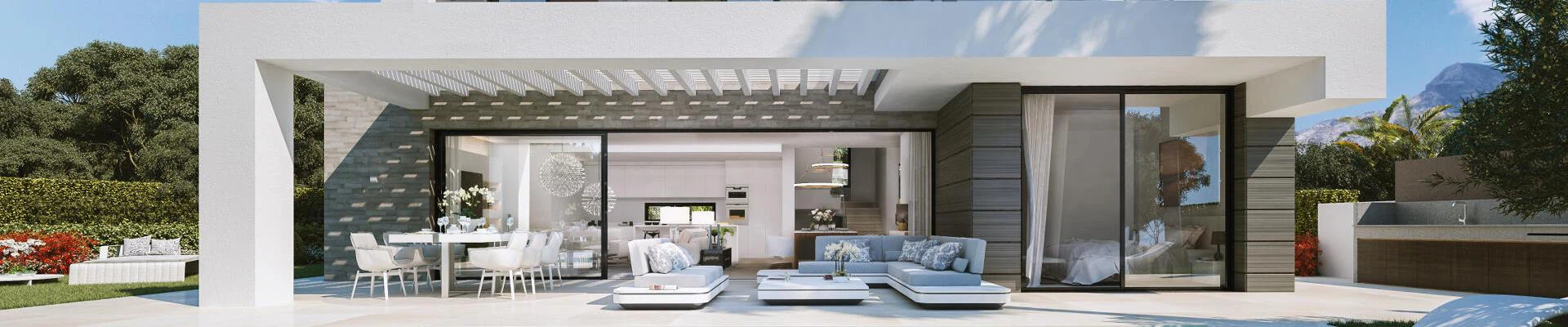
Modern building envelopes face continuous exposure to harsh environmental conditions such as coastal salt spray, high humidity, extreme temperature fluctuations, and long-term UV radiation. For commercial, high-rise, and residential projects built in marine and high-moisture regions, window system failure caused by corrosion is one of the most common and costly structural issues. Weather resistant aluminum windows are engineered to address this industry challenge through an optimized aluminum alloy system, advanced corrosion resistance mechanisms, and high-performance surface treatment technologies. This article deeply explores the corrosion resistance principles, core technologies, practical environmental performance, and project application value of weather-resistant aluminum window systems, helping developers and contractors select durable building fenestration solutions such as aluminum impact windows suitable for harsh weather conditions.
What Are Weather Resistant Windows in Modern Construction
Weatherproof window systems are high-performance aluminum fenestration systems widely used in modern construction, engineered to resist long-term environmental exposure, including salt spray corrosion, UV radiation, high humidity, and temperature cycling. Unlike standard decorative window systems that only meet basic lighting and sealing requirements, weather resistant window systems take environmental adaptability and long-term anti-aging performance as core design indicators, focusing on resisting various weather-induced damages that lead to product failure.
In modern construction, building exterior windows are exposed to open-air environments all year round. Ordinary window products are prone to frame oxidation, surface peeling, hardware corrosion, seal aging, and structural jamming within 3–5 years of outdoor exposure in harsh environments, especially in coastal and industrial areas. As a standardized durable building component, corrosion-resistant window systems integrate optimized structural design, anti-corrosion materials, and protective surface processes, which can maintain stable appearance and reliable functional performance for over 20 years in harsh weather environments, meeting the long-term service life requirements of modern high-quality construction projects.
Why Weather Resistant Aluminum Windows Require Advanced Corrosion Protection
Aluminum alloy is inherently lightweight, high-strength, and highly formable, making it one of the most widely used materials in modern window systems. However, pure aluminum materials have natural chemical activity. In humid, saline, and high-UV outdoor environments, bare aluminum profiles are prone to electrochemical corrosion and oxidation reactions, resulting in surface whitening, pitting, rust spots, and even structural strength attenuation.
Weather resistant aluminum windows rely entirely on advanced corrosion protection systems to give full play to the material advantages of aluminum alloys. Without professional anti-corrosion treatment, aluminum window frames will gradually lose surface protection under the erosion of rainwater, salt spray, and ultraviolet rays. Micro-corrosion will continue to expand inward, leading to profile deformation, gap leakage, hardware failure, and eventually the overall scrapping of the window system.
For engineering projects in coastal, tropical, and high-humidity areas, corrosion damage is irreversible and progressive. Advanced corrosion protection is not an optional upgrade for weather resistant aluminum windows, but a necessary core design that determines product service life, building envelope stability, and later maintenance costs.
Core Corrosion Resistance Mechanism in Aluminum Window Systems
The excellent corrosion resistance of aluminum window systems does not rely on a single material property, but on a systematic combination of physical isolation, chemical stabilization, and structural protection mechanisms.
First, the natural passive oxide film provides a basic protective barrier. Aluminum alloys naturally form a thin oxide film in the air, which can isolate partial air and moisture. Weather-resistant aluminum windows optimize the compactness and uniformity of the oxide film through pretreatment processes, improving the basic anti-oxidation ability of the profile surface and preventing micro-corrosion caused by air contact.
Second, a high-density protective coating layer is applied to form a durable surface barrier. Through professional surface treatment technologies such as anodizing, powder coating, and PVDF coating, a thick, dense, and weather-resistant protective layer is formed on the surface of aluminum profiles. This physical covering layer completely isolates the aluminum substrate from external corrosive media such as salt ions, rainwater, and humid air, cutting off the electrochemical corrosion reaction path.
Third, structural anti-corrosion design enhances drainage and prevents long-term moisture accumulation inside the frame. High-quality weather-resistant aluminum window systems adopt closed profile structures, hidden drainage channels, and gap sealing optimization, avoiding long-term water accumulation and salt residue inside the frame. The structural design eliminates the humid corrosion microenvironment, cooperates with surface protective layers, and forms a three-dimensional anti-corrosion system to ensure long-term stable performance of the window system.

Premium Surface Treatment Technologies for Weather Resistant Aluminum Windows
Surface treatment technology is the core barrier for weather resistant aluminum windows to achieve high-standard corrosion resistance. Different premium processes correspond to different weather resistance levels and environmental adaptability, which are the key basis for engineering selection.
Anodizing is a fundamental high-performance anti-corrosion treatment for aluminum profiles. Through electrochemical reaction, a uniform and hard artificial oxide film is formed on the aluminum surface. The film layer is tightly combined with the substrate, with strong wear resistance and oxidation resistance, which can effectively resist daily atmospheric corrosion and is suitable for conventional urban and inland building projects.
Polyester powder coating is a widely used cost-effective weather-resistant finishing process. The electrostatic powder spraying technology forms a thick and full protective coating on the profile surface, with excellent adhesion, impact resistance, and anti-aging performance. It has good resistance to high humidity and mild salt spray, meeting the weather resistance needs of most suburban and coastal ordinary projects.
PVDF fluorocarbon coating is the top-level anti-corrosion treatment for harsh environments. With super chemical stability, UV resistance, and salt spray resistance, the PVDF coating can resist strong salt fog erosion in marine environments and long-term high-intensity ultraviolet radiation. It will not fade, peel, or powder for more than 20 years, and is the preferred process for high-end coastal buildings, high-rises, and resort projects.
Performance of Weather Resistant Windows in Coastal and Marine Environments
Coastal and marine environments are the most severe test scenarios for window corrosion resistance. The air contains a large number of chloride ions, which have strong penetrating and corrosive properties. Combined with high temperature, high humidity, and strong sea breeze impact, ordinary aluminum windows will suffer severe corrosion failure in a short time.
High-humidity resistant systems show excellent environmental adaptability in marine climate. The premium surface protective layer can effectively block the penetration of salt ions, avoid electrochemical corrosion of the aluminum substrate, and prevent surface rusting and peeling. The optimized internal drainage and sealing structure avoids salt water accumulation and residual salt crystallization inside the window frame, eliminating long-term hidden corrosion dangers.
In long-term exposed coastal scenarios, weather resistant aluminum windows can maintain intact surface finish, stable opening and closing functions, and excellent sealing performance. They will not cause water leakage, air infiltration, or structural loosening due to corrosion, effectively solving the pain points of frequent replacement and high maintenance costs of ordinary windows in coastal projects, and fully adapting to the harsh weather conditions of seaside buildings.
Weather Resistant Aluminum Windows vs Standard Window Systems
There are essential differences in material processing, anti-corrosion design, environmental adaptability, and full-cycle cost between weather resistant aluminum windows and standard window systems, which directly determine the service life and comprehensive value of building windows.
In terms of anti-corrosion performance, standard aluminum windows only adopt simple surface spraying or no protective treatment, with weak salt spray and UV resistance. They are only suitable for indoor and inland mild environments and are prone to corrosion failure in harsh weather. In contrast, weather resistant aluminum windows adopt multi-layer anti-corrosion protection and optimized structural design, with super weather resistance and corrosion resistance, adapting to all complex outdoor environments.
In terms of service life, standard window systems have an outdoor service life of only 5–10 years, with obvious aging and corrosion problems in the later stage. Weather resistant aluminum windows can maintain stable performance for more than 20 years, with extremely low aging attenuation rate.
In terms of comprehensive cost, standard windows have low initial investment but high later maintenance and replacement costs. Marine-grade window systems have a slight premium in initial cost, but almost zero long-term maintenance cost, avoiding repeated investment losses caused by corrosion failure, with far higher full-cycle cost performance than standard window systems.

Key Specifications of High-Performance Weather Resistant Aluminum Windows
To select qualified high-performance weather resistant aluminum windows, engineering specifiers need to focus on core anti-corrosion and weather resistance specifications to avoid unqualified products failing to meet project environmental adaptation requirements.
First, profile surface treatment specifications. Clarify the coating process (anodizing / powder coating / PVDF), coating thickness, and salt spray test grade. Coastal high-risk projects must select PVDF fluorocarbon coating with professional salt spray certification to ensure long-term anti-corrosion performance.
Second, material and structural specifications. Adopt high-purity industrial aluminum profiles with stable structural performance and strong corrosion resistance. Match integrated corner reinforcement and closed drainage structure to prevent water and salt accumulation inside the frame.
Third, supporting accessory specifications. All hardware accessories must adopt marine-grade stainless steel materials with anti-rust and anti-corrosion performance. Sealing strips use weather-resistant EPDM materials to avoid aging and failure caused by UV and high humidity erosion.
Fourth, environmental test standards. Qualified coastal window systems need to pass professional artificial accelerated aging tests, salt spray resistance tests, and high and low temperature cycle tests, with official test reports to verify long-term outdoor weather resistance.
Long-Term Benefits and Project Applications of Weather Resistant Windows
Weatherproof window systems bring multi-dimensional long-term value to construction projects, and their excellent corrosion resistance and weather resistance make them widely applicable in various harsh environment projects. In terms of building value, stable anti-corrosion performance maintains the long-term integrity of building facade aesthetics, avoids facade aging and dilapidation caused by window corrosion, and improves the overall grade and asset preservation capacity of buildings.
In terms of operational benefits, weather resistant aluminum windows greatly reduce later maintenance, repair, and replacement costs, eliminate hidden dangers of water leakage and air infiltration caused by corrosion failure, and reduce long-term operational risks and property management costs for building owners and developers. The stable structural performance also ensures the long-term safety of the building envelope.
In terms of project application, corrosion-resistant window systems are the preferred solution for coastal residential houses, seaside resort buildings, high-rise urban buildings, and industrial park projects with high humidity and air pollution. Whether it is long-term high-temperature and UV radiation in tropical areas or persistent salt spray erosion in marine areas, high-performance powder coated aluminum windows can maintain stable operation, providing reliable durable fenestration protection for all kinds of modern construction projects.


