
In coastal residential projects, the decision between impact windows and hurricane shutters is more than a technical choice; it is a strategic consideration that affects long-term safety, operational efficiency, and project economics. For developers and architects managing multi-unit coastal developments, understanding the nuances of these two protective systems is critical to both design integrity and risk mitigation. Coastal regions face unique challenges, including high wind pressures, flying debris during storm events, and salt-laden air that accelerates material degradation. In this context, the choice between impact windows vs hurricane shutters becomes a central discussion in project planning meetings, construction specifications, and lifecycle cost analyses. To better understand how impact windows specifically enhance resilience and reduce storm-related risk, readers can explore wind resistance performance in coastal building systems for detailed insights in How Impact Windows Wind Resistance Enhances Structural Safety in Coastal Buildings.
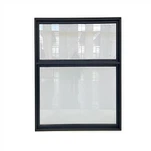
Impact windows are engineered for continuous, uncompromising protection. Made with laminated glass and reinforced aluminum or vinyl frames, they provide a permanent barrier against windborne debris and structural pressure. Unlike shutter systems, which are deployed only when a storm is imminent, impact windows are integrated into the building envelope, offering uninterrupted performance year-round. For general contractors overseeing multi-unit residential projects, this eliminates the coordination challenges of ensuring that shutters are properly installed across dozens of individual units. Architects often prefer impact windows because they enable expansive glazing, uninterrupted sightlines, and modern aesthetic continuity, all without sacrificing protection. In high-rise coastal developments, this aesthetic and functional consistency is crucial, as deviations can affect both market perception and long-term asset value.
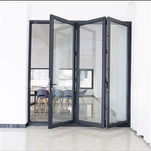
Hurricane shutters, by contrast, provide a reactive solution. Available in various types-accordion, roll-down, and panel systems-they are deployed only when a storm approaches. For developers with tight budget constraints, the lower upfront cost of shutters can seem attractive. Yet, this initial savings comes with operational trade-offs. Deploying shutters across a multi-unit building requires manpower, coordination, and often training for property management teams. Improper installation, missed windows, or delayed deployment can significantly reduce their protective effectiveness. For general contractors, ongoing maintenance adds another layer of complexity. Exposure to salt air, humidity, and regular wear-and-tear necessitates periodic inspections, lubrication of moving parts, and replacement of corroded hardware, all of which increase long-term project costs.
Performance under stress is another critical dimension. Impact windows are tested to withstand large debris at high velocities while maintaining the structural integrity of the frame and glass. They also offer continuous protection against water infiltration, which is particularly important in coastal residential projects where flooding and wind-driven rain can compromise interior finishes, electrical systems, and HVAC equipment. Hurricane shutters, while effective against direct impacts, do not prevent water intrusion unless perfectly sealed and fastened, and even minor gaps can lead to interior damage. For architects and developers working on multi-unit projects or commercial buildings, these performance differentials translate directly into risk management considerations and potential liability exposure in the aftermath of a storm.
Insurance and regulatory considerations further influence the decision-making process. Many insurance carriers recognize the superior performance of certified impact windows by offering lower premiums, reflecting reduced risk of property loss. Shutters, while compliant with building codes in many coastal jurisdictions, may not achieve the same insurance rating unless they meet stringent deployment and maintenance criteria. Developers and architects must weigh these long-term financial implications, especially in projects with dozens or hundreds of residential units, where cumulative insurance costs can be substantial. Moreover, regulatory approval processes often favor integrated solutions that are permanently installed, streamlining inspections and reducing administrative burdens for general contractors.
Aesthetic integration also plays a significant role in decision-making. Coastal developments increasingly emphasize both safety and visual appeal. Luxury projects, in particular, require uninterrupted views, abundant natural light, and façade uniformity. Impact windows allow for this, offering large panes of glass without visual obstructions. Shutters, when deployed, obscure views, create visual clutter, and can even detract from architectural intent. In high-density or multi-unit residential developments, the cumulative visual impact of shutter systems across numerous units can be substantial, potentially affecting both market perception and sales velocity. Architects, therefore, often advocate for impact windows in projects where design integrity and long-term value are key priorities.
Operational simplicity is another advantage of impact windows. Unlike shutters, which require periodic deployment, inspection, and maintenance, impact windows are a one-time installation that continues to perform without intervention. For property managers and general contractors responsible for long-term operational efficiency in multi-unit coastal developments, this is a significant benefit. It reduces reliance on human action during critical storm events, mitigates risks associated with errors or delayed deployment, and ensures that the building envelope consistently meets performance expectations. In contrast, shutters, while flexible, introduce operational dependencies that must be accounted for in maintenance schedules, staffing, and emergency protocols.

When developers, architects, and general contractors assess total cost of ownership, impact windows often present a compelling value proposition. Although the initial investment is higher, reduced operational complexity, lower maintenance costs, potential insurance savings, and enhanced marketability often justify the expenditure. In multi-unit projects, where cumulative costs and logistical challenges scale with the number of units, these advantages become even more pronounced. Hurricane shutters, while cost-effective upfront, require ongoing operational attention, which can erode the initial savings over time. Additionally, in high-risk coastal zones, the potential consequences of shutter failure-ranging from property damage to safety hazards-cannot be overlooked in project planning.
Beyond aesthetic and operational considerations, the comparison between impact windows vs hurricane shutters becomes particularly pronounced when viewed through the lens of construction integration and site management. For general contractors managing multi-unit coastal developments, the sequencing of installation can have a significant impact on overall project timelines and coordination. Impact windows, while requiring precise framing and alignment during installation, can often be integrated into the construction schedule concurrently with standard window installation processes. This allows contractors to maintain consistent workflow across the façade, minimizing delays associated with subsequent retrofitting or additional labor. In contrast, hurricane shutters are typically installed as separate components, sometimes after the completion of exterior finishes. This sequential installation introduces complexity, particularly in large-scale residential projects where multiple units must be accessed individually. Coordinating shutters across dozens of units increases the risk of scheduling conflicts, installation errors, and ultimately, inconsistent performance across the development.
Durability is another critical factor that developers and architects must consider. Impact windows are engineered to endure decades of coastal exposure, including high wind events, ultraviolet radiation, and the corrosive effects of salt-laden air. Laminated glass maintains its integrity under debris impact, while reinforced aluminum or vinyl frames resist warping and corrosion. For architects designing high-end coastal residential buildings or commercial structures, this translates into predictable performance over the building's lifecycle. General contractors also benefit from reduced maintenance responsibilities and fewer warranty claims, which is particularly valuable in multi-unit projects where even minor failures can multiply across several units, creating significant operational and financial implications. Hurricane shutters, by contrast, are vulnerable to environmental degradation if not properly maintained. Moving parts, tracks, and fasteners may corrode or misalign over time, and panels can become dented or warped after repeated use or minor impact events. These vulnerabilities require ongoing inspection and maintenance, adding both labor costs and potential liability exposure for property owners and contractors. For projects seeking robust storm protection, developers and architects can explore our full range of hurricane products designed to meet high-performance coastal standards.
The role of certification and testing standards in this decision cannot be overstated. Impact windows undergo rigorous testing to meet international and regional standards for windborne debris resistance and cyclic wind pressure. For developers seeking to market coastal residential projects as hurricane-resilient or code-compliant, certified impact windows offer verifiable assurances of performance that can be documented to both insurance carriers and regulatory authorities. Shutters, while compliant with certain building codes, often rely on proper deployment and manual operation for effectiveness, which introduces variability in performance. Architects and project managers must factor in the human element, recognizing that even well-designed shutter systems may fail if improperly installed or neglected, particularly in multi-unit buildings where timely deployment can be logistically challenging.
Long-term financial considerations also favor impact windows in many coastal residential contexts. While hurricane shutters may present lower initial expenditure, the cumulative cost of maintenance, operational staffing, and potential repair after minor storm events can erode the initial savings. For multi-unit residential buildings or large commercial structures, these costs scale dramatically. In addition, insurance considerations often tip the balance in favor of impact windows. Many insurers offer premium reductions for properties equipped with certified impact windows due to demonstrated performance in standardized impact and wind resistance testing. Shutters, despite being code-compliant, may not provide equivalent insurance benefits, particularly if their deployment or maintenance record is inconsistent. For developers and general contractors, factoring in these long-term financial implications is critical when evaluating the true cost of ownership for each option.
Operational efficiency also becomes a significant consideration in multi-unit coastal developments. Impact windows eliminate the need for repeated deployment and reduce reliance on property management staff or contractors during hurricane events. This ensures that protection is always in place, even in situations where tenants or staff may not have the capacity to secure shutters in a timely manner. The reduction in manual labor not only lowers operational expenses but also mitigates liability concerns associated with improper shutter deployment. In multi-unit projects where access to upper floors or multiple façades may be limited, this continuous performance is particularly advantageous, providing peace of mind to developers, architects, and property managers alike.

Aesthetic and marketability considerations remain equally important in large coastal developments. Luxury residential towers, beachfront condominiums, and high-end commercial properties demand design solutions that maximize views, natural light, and architectural cohesion. Impact windows meet these expectations by allowing for expansive glazing without obstructions, while hurricane shutters-whether panel, accordion, or roll-down systems-can disrupt visual continuity when deployed. In high-density developments, the cumulative visual impact of shutters across multiple units can be substantial, influencing both market perception and sales velocity. Developers seeking to differentiate their properties in competitive coastal markets increasingly prioritize solutions that combine safety with aesthetic appeal, a combination more effectively realized with impact windows.
From a technical perspective, impact windows also enhance building performance beyond hurricane protection. Many high-performance impact window systems feature thermally broken frames, low-emissivity coatings, and multi-pane laminated glass, contributing to energy efficiency and reduced HVAC demand. In commercial and multi-unit residential projects, this can translate into significant operational savings over time. Shutters, conversely, provide minimal thermal benefits, serving primarily as storm protection devices. Developers and architects increasingly integrate energy performance into project specifications, recognizing that solutions like impact windows deliver dual benefits: storm resilience and energy efficiency, aligning with sustainability goals and modern building standards.
Long-term value is another critical factor influencing the preference for impact windows. Developers must consider resale value, tenant satisfaction, and the durability of building components over decades. Multi-unit residential buildings equipped with impact windows often command higher market value, not only due to the perceived luxury and uninterrupted views but also because prospective buyers and tenants recognize the superior protection and reduced maintenance demands. Property managers benefit from lower ongoing operational complexity, while general contractors face fewer warranty claims and post-storm repair requirements. Shutters, while cost-effective initially, can create variability in both performance and tenant perception, particularly if they are not deployed consistently or exhibit wear over time.
In addition, future-proofing coastal projects requires consideration of evolving environmental conditions and regulatory standards. Rising sea levels, increased storm intensity, and tightening building codes create a dynamic context in which long-term project resilience is paramount. Certified impact windows provide developers and architects with a forward-looking solution that meets or exceeds current performance standards, reducing the need for retrofits or system replacements as codes evolve. Shutters, while adaptable, may require frequent replacement or modification to comply with new regulations, adding further complexity and cost to future project management. For multi-unit projects or commercial developments, these considerations reinforce the strategic advantage of impact windows over shutter systems.
Ultimately, the decision between impact windows vs hurricane shutters for coastal residential projects encompasses a complex interplay of safety, aesthetics, operational efficiency, long-term financial planning, and regulatory compliance. Developers, architects, and general contractors must weigh immediate construction costs against lifecycle performance, insurance implications, and tenant or buyer expectations. In multi-unit and commercial projects, where scale magnifies both risk and cost, the integrated, permanent protection offered by impact windows frequently emerges as the superior solution. While hurricane shutters remain a viable option in certain scenarios, particularly for budget-sensitive developments, their reliance on manual deployment, maintenance requirements, and potential visual disruption limit their appeal in high-density, high-value coastal projects.
As coastal developments continue to evolve, with increasing emphasis on resilience, sustainability, and occupant experience, impact windows provide a reliable, long-term solution that aligns with both design and operational objectives. For developers and architects seeking to optimize both performance and marketability, integrating impact windows into the building envelope ensures that coastal residential and commercial projects not only meet regulatory requirements but also deliver enduring value to property owners, tenants, and the community. General contractors tasked with overseeing these projects benefit from simplified workflows, reduced maintenance burdens, and predictable performance, creating a smoother construction and post-occupancy experience. In the context of multi-unit projects, commercial buildings, and luxury coastal developments, impact windows consistently demonstrate their advantages over hurricane shutters, balancing safety, functionality, and aesthetics in a comprehensive, future-ready package. For insights into how developers make strategic decisions regarding these systems in large-scale coastal projects, readers can explore how impact windows work in terms of pressure resistance and debris impact explained in How Do Impact Windows Work? Pressure Resistance and Debris Impact Explained.